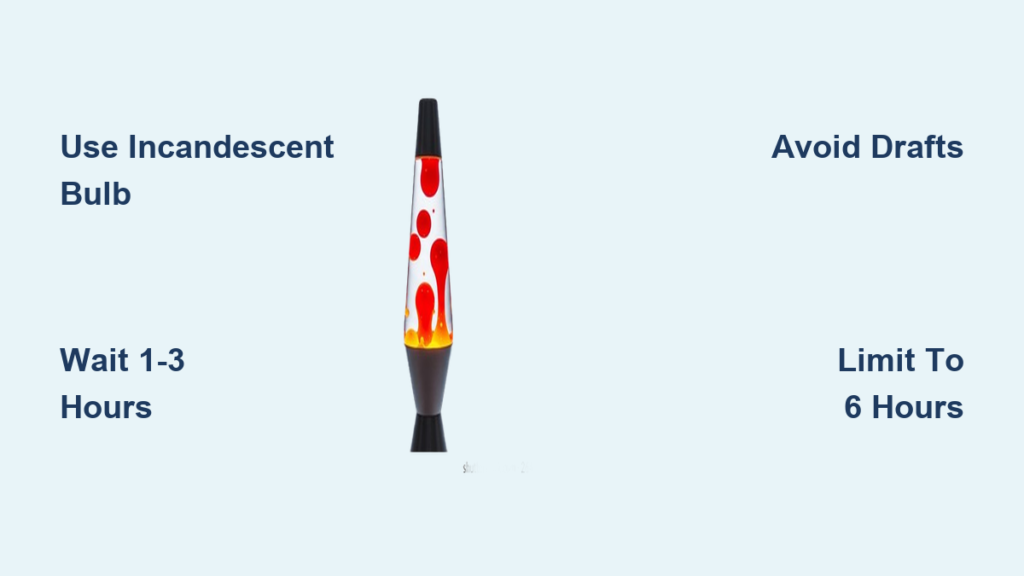
You just unboxed your new lava lamp and cannot wait to see those mesmerizing blobs flow. But before you plug it in, there is one crucial thing to know: a lava lamp is not like a regular light. It will not work instantly, and using the wrong bulb or placing it in a drafty spot can stop it from working entirely. This guide walks you through everything from setup to first glow so you get smooth, hypnotic motion every time.
Whether you own a Mathmos, Urban Shop, Blob Lamps, or classic LAVA model, these clear, step-by-step instructions ensure safe, effective operation from day one. You will learn exactly what to do, what to avoid, and how to troubleshoot common problems.
Choose the Right Location for Your Lava Lamp
Placement matters more than most people realize. A lava lamp needs stable temperatures and a level surface to function properly.
Avoid Drafts and Temperature Swings
Place your lava lamp on a level, stable surface away from windows, air conditioners, fans, or heaters. Even a slight draft can disrupt the heat balance inside the bottle, preventing the wax from rising properly. Cold spots stop convection while hot spots cause overheating. For best results, keep room temperature between 20°C and 24°C (69°F to 75°F).
Keep Away From Traffic Zones
Set the lamp where it will not be bumped or knocked over, especially important if you have kids or pets. A jolt while the lamp is warm can permanently cloud the liquid. Also, the base gets hot during use like a coffee mug, so avoid placing it near curtains, bedding, or flammable materials.
Install the Correct Bulb
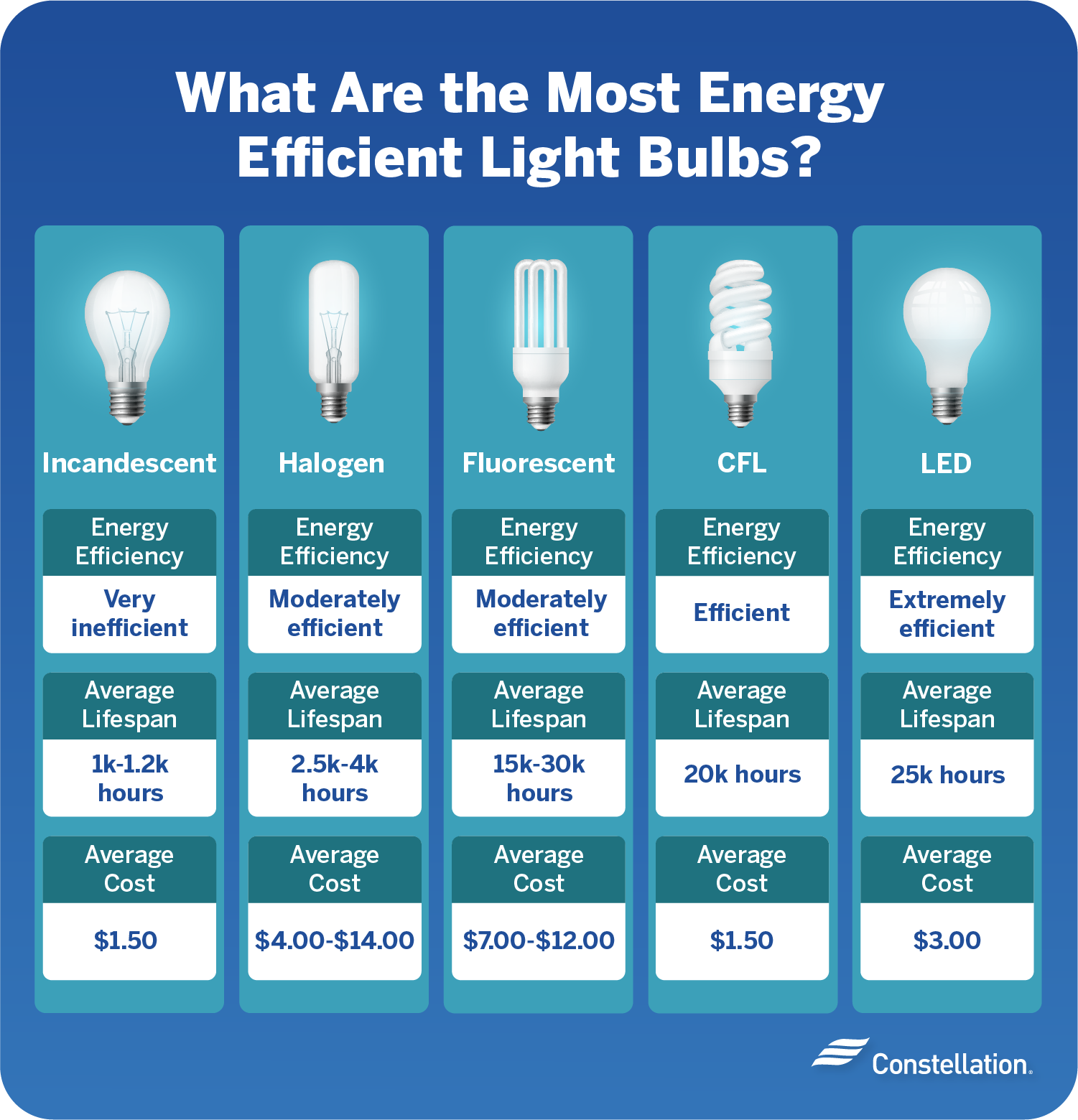
The bulb is the most critical component for getting your lava lamp to work. Using the wrong type is the number one reason lava lamps fail to start.
Use Incandescent or Halogen Only
Never use LED bulbs. They do not produce enough heat to melt the wax. Always check your model is required wattage and type. Urban Shop requires a 30W incandescent bulb. Mathmos uses either a GU10 halogen or SES incandescent bulb depending on the model. Blob Lamps specify using the included incandescent bulb only. LAVA models vary, so check the label on the base. Using the wrong bulb is the number one reason lava lamps fail to start.
Handle Bulbs Safely
For halogen bulbs, touch only with a clean cloth or gloves. Skin oils can create hot spots on the glass, shortening bulb life. For GU10 bulbs, insert the prongs and turn a quarter-turn clockwise until locked. For SES bulbs, screw in gently until snug, about three full turns. Do not overtighten. Ensure the bulb is secure because loose bulbs cause flickering or no heat.
Assemble the Lamp Properly
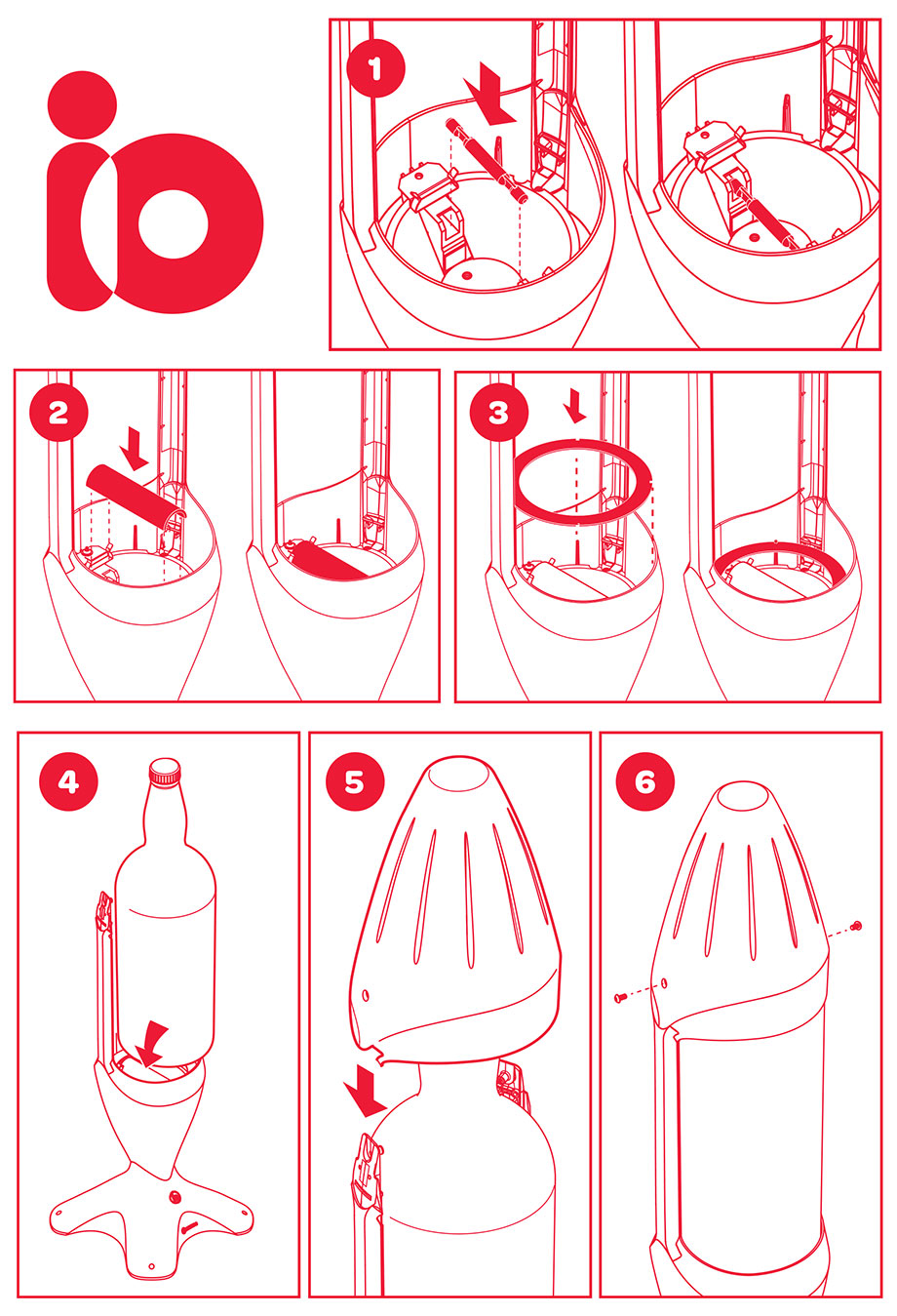
Proper assembly ensures even heating and safe operation.
Seat the Bottle Correctly
Place the glass bottle upright and centered on the base. If it wobbles, rotate it slightly until it sits flat. An off-center bottle heats unevenly, leading to poor wax movement. Small air bubbles or mold lines in the glass are normal and do not affect performance.
Attach the Metal Cap
Snap or screw the aluminum cap firmly onto the top of the bottle. This helps stabilize the bottle and completes the heat seal. Make sure the cap is tight but do not force it.
Check the Internal Coil
Some models like Blob Lamps and Mathmos include a metal coil at the bottom of the bottle. Before turning on, confirm it is lying flat. This coil helps distribute heat evenly and kickstarts wax flow. Never open or refill the bottle because it is factory-sealed, and tampering voids safety and performance.
Power On the Lamp
Now that everything is assembled, it is time to plug in and switch on.
Plug Into a Standard Outlet
Use a regular wall socket. Avoid extension cords or power strips unless necessary. Ensure the outlet works by testing with another device first.
Flip the Switch
Most lava lamps have an on/off switch on the power cord or base. Turn it on. You should see the bulb light up immediately. Never operate the base without the bottle because the heat needs to be absorbed by the wax. If not, the bulb can overheat and burn out.
Confirm the Bottle Is on the Base
Always double-check that the glass bottle is securely seated before powering on. Running the lamp without it risks damaging the bulb and base.
Wait for Warm-Up
This is where patience becomes essential. A lava lamp is not an instant gratification device.
First Signs of Movement
After turning on, do not expect action right away. It takes at least 45 minutes before you will see any wax movement. Early signs include small bubbles forming at the bottom and stalagmite-like wax shapes rising slowly. This is normal. Do not shake or move the lamp to help it along.
Full Flow Takes Time
Complete lava motion typically develops between 1 to 3 hours, depending on room temperature, bulb type and wattage, and lamp size and brand. Blob Lamps and Mathmos models may take up to 3 hours to reach full flow. Lava lamps perform best after 4 to 5 uses. Initial runs often show small air bubbles in the wax, and these usually disappear as the formula stabilizes.
Monitor for Overheating
Even though lava lamps are low-risk, running them too long can cause problems.
Recognize Warning Signs
Watch for a large stationary bubble stuck at the top, cloudy or separated liquid, or excessive bubbling with no flow. These indicate the lamp has been on too long.
Respond Immediately
If you see these signs, turn off the lamp and unplug it. Let it cool completely, at least 6 hours, before using again. Reduce future runtimes to prevent recurrence.
Follow Safe Usage Rules
Safe operation extends the life of your lamp and prevents accidents.
Limit Runtime to 6 Hours
Never exceed 6 hours of continuous use. Prolonged operation degrades the wax and shortens the lamp is lifespan. For consistent daily use, plug the lamp into an automatic timer to control on/off cycles.
Allow Full Cool-Down
Wait at least 1 hour after turning off before restarting. The wax must solidify and settle. Restarting too soon causes poor flow and stress on components.
Never Move or Shake While On
Shaking a warm lamp mixes the wax and liquid permanently, causing cloudiness that will not clear. Always let it cool fully before moving or storing.
Clean and Maintain Safely
Regular maintenance keeps your lamp looking and working its best.
Wipe With a Dry Cloth Only
After the lamp has cooled, clean the glass bottle and base with a soft, dry microfiber cloth. Do not use water, glass cleaners, or abrasive pads because they can damage finishes or seep into electrical parts.
Inspect the Cord Regularly
Check the power cord for fraying, kinks, or damage. If found, stop using the lamp and replace it or contact the manufacturer.
Store Properly When Not in Use
Keep the lamp in a cool, dry place, away from direct sunlight. Long-term UV exposure can fade colors and degrade the liquid.
Troubleshoot Common Problems
When your lava lamp is not working, these solutions can help.
No Wax Movement After Hours
The cause is usually not warming up enough or using an incorrect bulb. Ensure the room is between 20°C and 24°C. Confirm an incandescent or halogen bulb is being used. Wait up to 3 hours before judging performance.
Wax Stuck at the Bottom
The cause is the bulb not producing enough heat. Replace with the correct wattage bulb. Check if the bulb is loose or burned out. Avoid cold environments.
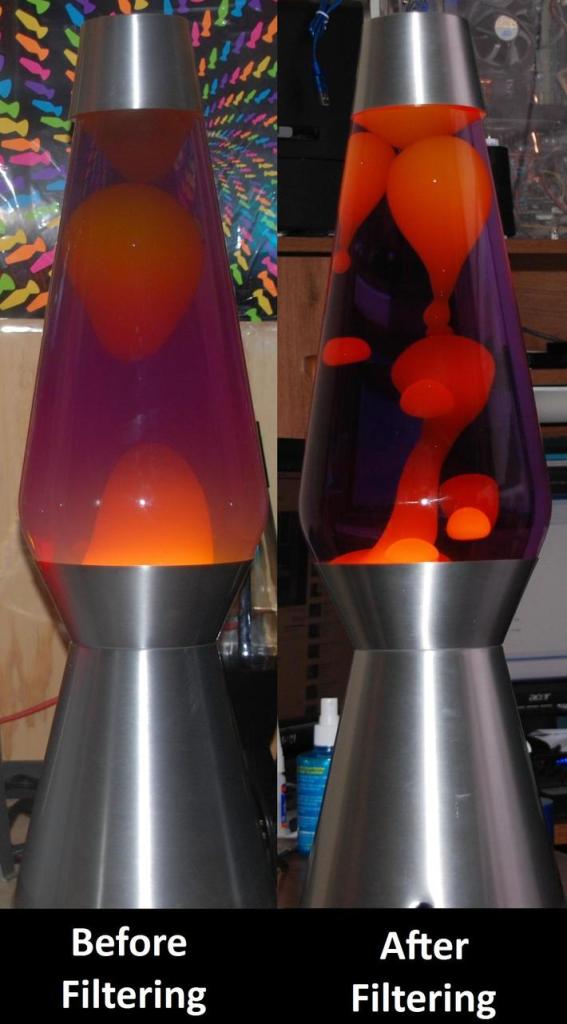
Cloudy Liquid
The cause is shaking while warm or end-of-life. If the lamp was recently shaken, it may never clear and you may need to replace the bottle. If the lamp is aged, after about 2,000 hours of use, cloudiness is normal wear and you should replace the bottle.
Large Bubble That Does Not Move
The cause is overheating from extended use. Turn off and cool for 6 or more hours. Limit future use to 6 hours maximum.
Lamp Wobbles or Leans
The cause is the bottle not seated properly. Reposition the bottle until it is stable. Ensure the base is on a level surface.
Know When to Replace Parts
Eventually, parts will need replacing. Here is what you need to know.
Replace Bulbs With Exact Matches
Use only manufacturer-specified replacements. For example, Mathmos bulbs are available at mathmos.com. LAVA replacements are sold via official retailers. Never substitute with LED, even if it fits physically.
Buy New Bottles, Do Not Refill
When your lamp clouds, fades, or stops flowing, replace the bottle. All major brands sell replacement bottles. Mathmos offers a full range of colors and sizes. Urban Shop sells affordable replacements on Amazon. Blob Lamps sells direct from their brand website. Do not attempt to open or refill bottles because they are sealed units.
Understand Brand Differences
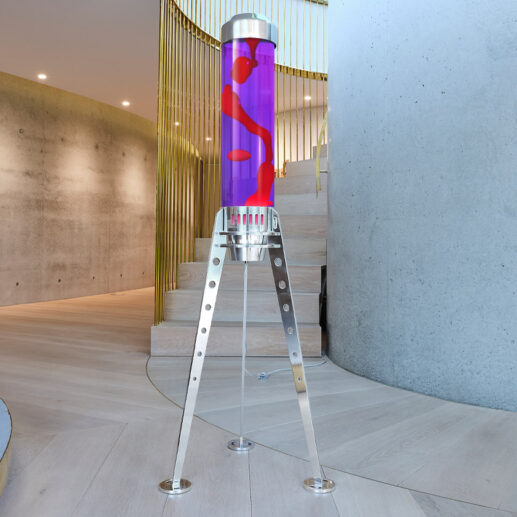
Different brands have slightly different requirements and performance characteristics.
Urban Shop uses a 30W incandescent bulb and warms up in about 1 hour. It is best for kids rooms, dorms, and casual use, priced at $15 to $16 on Amazon and Walmart. Mathmos uses a GU10 halogen or SES incandescent bulb and warms up in 1 to 3 hours. It is best for collectors and design lovers, featuring replaceable bottles and UK-made quality. Blob Lamps uses an included incandescent bulb and can take up to 3 hours to warm up. The key tip is it must sit perfectly flat, and it features a simple, modern, reliable design. LAVA uses model-specific bulbs and warms up in 1 to 2 hours. It is the classic American original since 1963 and is widely sold in stores and online.
Maximize Longevity and Enjoyment
With proper care, your lava lamp will provide years of enjoyment.
Track Total Usage
Most lava lamps last about 2,000 hours. Once performance declines with cloudiness, no flow, or faded color, it is time for a new bottle.
Use a Timer for Consistency
Set a daily 4 to 6 hour cycle with a plug-in timer. This prevents accidental overuse and extends bulb and wax life.
Enjoy the Ambiance Mindfully
Lava lamps are great for focus and relaxation. Many users report reduced anxiety. They work well in creative spaces and bedrooms as retro decor and conversation starters. Just remember they are not instant. Patience unlocks the full experience.
Final Checklist: Turn On Your Lava Lamp
Before you finish, verify these items. Make sure you have installed the correct incandescent or halogen bulb. Confirm the bottle is centered and upright on the base. Ensure the cap is securely fastened. Place the lamp on a level, draft-free surface. Check that room temperature is 20°C to 24°C (69°F to 75°F). Plug in and switch on. Wait 1 to 3 hours for full flow. Run no more than 6 hours at a time. Allow full cool-down before reuse.
Frequently Asked Questions About Turning On a Lava Lamp
How long does it take for a lava lamp to start working?
First signs of movement appear after about 45 minutes, but full lava flow typically takes 1 to 3 hours depending on the brand, room temperature, and bulb type. Some models like Blob Lamps may take the full 3 hours to reach complete flow.
Why is my lava lamp not moving at all?
The most common reasons are using an LED bulb instead of incandescent or halogen, room temperature being too cold below 20°C, or not waiting long enough. Check that you are using the correct bulb type and wattage specified for your model. Ensure the room is warm enough and wait at least 2 to 3 hours before concluding it is not working.
Can I use an LED bulb in my lava lamp?
No, you should never use an LED bulb in a lava lamp. LED bulbs do not produce enough heat to melt the wax. This is the number one reason lava lamps fail to start or show no movement. Always use the incandescent or halogen bulb specified by the manufacturer.
How long can I leave my lava lamp on?
You should never operate a lava lamp for more than 6 hours continuously. Exceeding this time can cause overheating, which degrades the wax, clouds the liquid, and shortens the lamp is lifespan. Use an automatic timer to control daily usage cycles.
What should I do if the lava lamp overheats?
If you notice a large stationary bubble at the top, cloudy liquid, or excessive bubbling with no flow, turn off the lamp immediately and unplug it. Allow it to cool completely for at least 6 hours before using again. Reduce future runtime to prevent the problem from recurring.
Is it normal for a new lava lamp to look cloudy?
Small air bubbles in the wax are normal during the first few uses and usually disappear after 4 to 5 uses as the formula stabilizes. However, if the liquid appears permanently cloudy, this indicates the lamp was shaken while warm or has reached the end of its lifespan, typically around 2,000 hours of use.
Key Takeaways for Turning On Your Lava Lamp
Turning on a lava lamp requires more than simply plugging it in. The right location with stable temperatures between 20°C and 24°C is essential for proper convection. Using the correct incandescent or halogen bulb, never LED, ensures the wax gets enough heat to melt and flow. Patience is critical because full lava motion takes 1 to 3 hours, not minutes. Finally, never operate the lamp for more than 6 hours at a time, and always allow at least 1 hour of cool-down before restarting. Follow these steps, avoid common mistakes like using LED bulbs or placing the lamp in drafts, and you will enjoy years of soothing, retro ambiance from your lava lamp.