If you have ever struggled with stiff shoulders, nagging back pain, or dull skin, an infrared lamp might be the drug-free solution you have been searching for. These devices emit deep-penetrating heat that soothes sore muscles, boosts circulation, and even rejuvenates skin, all without UV rays or harmful radiation. But to get real results and avoid burns or irritation, you need to know exactly how to use an infrared lamp the right way. From setting the correct distance to choosing safe treatment times, this guide walks you through every step.
Whether you are using it for pain relief, skin health, or cozy warmth, mastering proper technique ensures you get the most out of your sessions safely. You will learn proper setup, duration guidelines, safety precautions, and expert tips that help you harness the full power of infrared therapy without risk.
Set Up Your Infrared Lamp Correctly
Before turning on your lamp, proper setup is essential for both safety and effectiveness. Where and how you position the device directly impacts how well it works and whether you stay protected during treatment.
Choose the Right Placement
Position your infrared lamp so it targets the area you want to treat, such as your lower back, knee, or face, without any obstruction between the lamp and your skin. Freestanding models with adjustable goosenecks are ideal for precise aiming, while wall-mounted or ceiling-mounted units work well in bathrooms or dedicated therapy spaces. Make sure the lamp is stable and will not tip over during use. If mounting, follow the manufacturer instructions to secure it properly.
Maintain Proper Distance from Skin
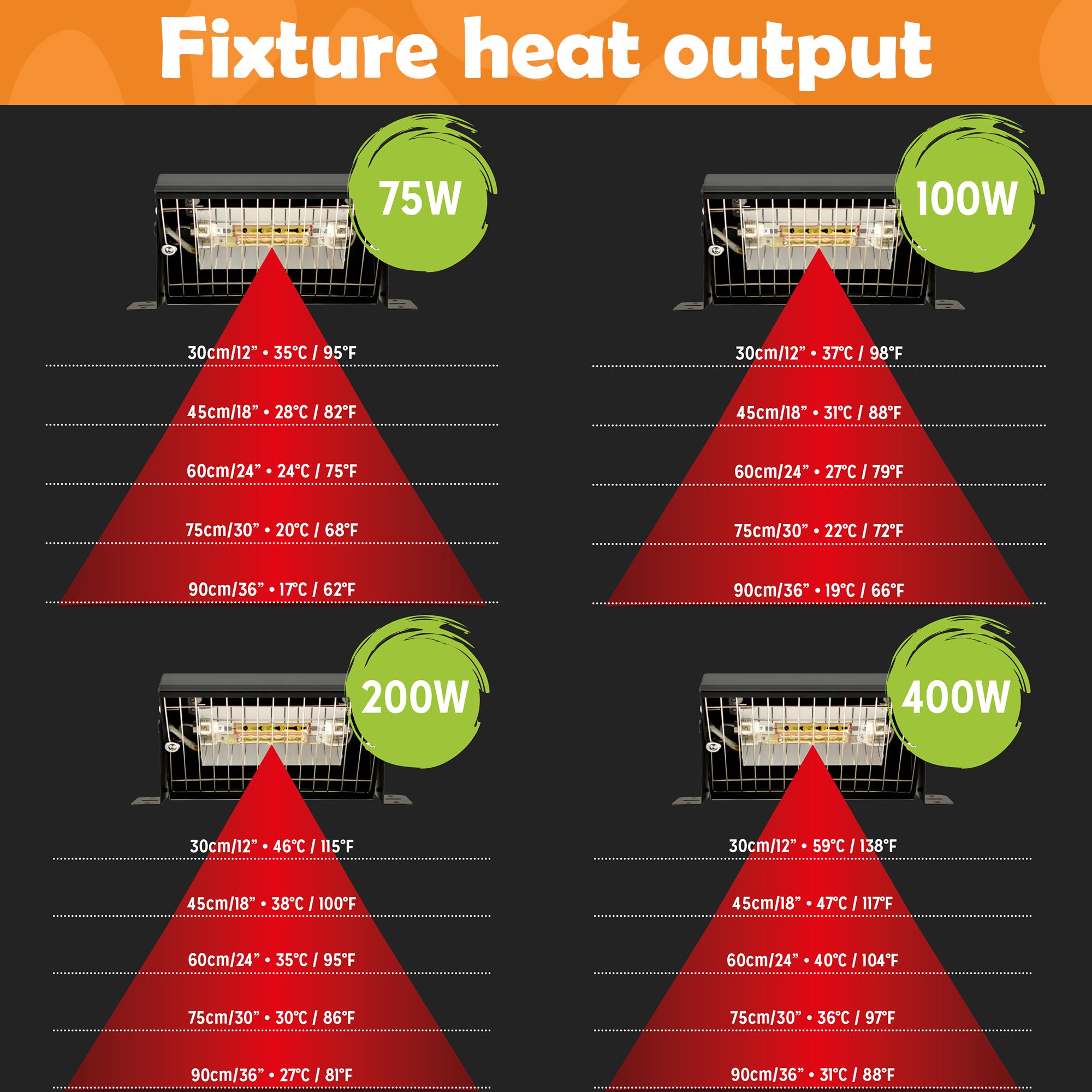
Distance is critical when you use an infrared lamp. Too close, and you risk burns. Too far, and the heat will not penetrate effectively.
For body treatments, keep the lamp 45 to 70 centimeters (18 to 28 inches) from your skin. Start at 60 centimeters (24 inches) for your first session. For facial use, stay at least 45 centimeters (18 inches) away to protect sensitive skin. Adjust gradually if you feel only gentle warmth, you can move slightly closer, but never allow the heat to become intense or uncomfortable. Always test the temperature with your hand before exposing larger areas.
Angle for Even Heat Distribution
Point the lamp directly at a 90-degree angle to your skin. This ensures uniform exposure and maximizes infrared energy absorption. Avoid angling it sideways, which can create hot spots or uneven treatment that leads to irritation in some areas while leaving others untreated.
Follow Safe Treatment Duration and Frequency
Using your infrared lamp too long or too often will not speed up results. Instead, it increases the risk of skin irritation or thermal injury. Stick to proven guidelines for the best outcomes.
Limit Session Length by Use Case
For general pain relief targeting back, neck, or joints, limit sessions to 15 to 20 minutes per area. For chronic or deep muscle pain, you can extend up to 30 minutes if well tolerated. For facial treatments, never exceed 10 minutes due to thin, sensitive skin. For mild discomfort or prevention, 10 to 15 minutes is sufficient. Set a timer or use your phone alarm. It is easy to relax and fall asleep under the warm glow. Do not let a soothing session turn into a burn risk.
Use 1-3 Times Daily for Best Results
For body areas, you can safely use the lamp 1 to 3 times per day, especially for persistent pain. For the face, limit to once daily or every other day to avoid overstimulation. Consistency beats intensity. Regular short sessions deliver better long-term benefits than infrequent, overlong ones. Avoid using the lamp on the same spot for hours at a time, even if it feels good.
Adjust Intensity and Monitor Sensations
Not all infrared lamps are the same. Some let you control brightness and heat output. Others rely on distance for regulation. Either way, comfort is your guide.
Control Heat with Dimmer or Distance
If your model has a dimmer switch, set it to a warm, pleasant level, never hot or painful. For models without adjustable settings, increase or decrease the distance to fine-tune intensity. The ideal sensation is a deep, soothing warmth that relaxes muscles without causing redness or discomfort.
Watch for Warning Signs During Use
Stop immediately if you feel sharp or burning pain, intense redness or blistering, or dizziness, nausea, or excessive sweating. Also discontinue use if the treated area feels numb. This could signal nerve damage or poor circulation, especially in people with diabetes. These warning signs mean the lamp is too close or the session too long.
Prepare and Inspect Before Each Use

A quick safety check takes less than a minute but can prevent serious accidents. Treat every session like a routine maintenance task.
Inspect Equipment for Damage
Before turning on the lamp, check the power cord and plug for fraying or cracks. Ensure the protective grill is intact to prevent accidental contact with the hot bulb. Confirm the bulb is secure and not flickering. Replace damaged parts immediately. Do not risk fire or electric shock by using damaged equipment.
Avoid Fire and Electrical Hazards
Plug directly into a wall outlet. Avoid extension cords, which can overheat. Keep the lamp away from flammable materials like curtains, towels, paper, or bedding. Never use in wet environments unless it is rated for bathroom use, such as IP44 or higher. Also, never cover the lamp or block ventilation slots.
Know When Not to Use an Infrared Lamp
Even though infrared therapy is safe for most people, certain health conditions make it risky or outright dangerous. Always check contraindications before starting.
Avoid These Medical Conditions
Do not use an infrared lamp if you have open wounds, infections, or inflamed skin because heat can worsen swelling and delay healing. Avoid use if you have neuropathy or diabetes with nerve damage, since you may not feel overheating, increasing burn risk. Do not use on areas with poor blood circulation or avascular tissue because reduced blood flow means heat does not dissipate well. Skip sessions if you have active bleeding or hemorrhage, since infrared increases blood flow and could worsen bleeding. Avoid direct exposure over cancer or tumors in the treatment area due to theoretical risk of stimulating cell growth. Do not use during acute flare-ups of arthritis or gout because heat can increase inflammation during active phases. Avoid if you have fever or systemic infection because adding external heat may raise body temperature further.
Protect Sensitive Areas
Never shine the lamp on your eyes because infrared radiation can damage retinal tissue. Avoid the thyroid gland at the front of your neck because endocrine tissue is sensitive to heat. Do not target genitals because of high risk of thermal injury. Avoid the abdomen during pregnancy. Not proven harmful, but caution is advised. When in doubt, consult your doctor, especially if you have heart disease, vascular issues, or chronic health conditions.
Monitor Skin and Stop if Problems Occur
Your skin reaction is the best real-time indicator of whether your session is safe and effective.
Recognize Normal vs. Dangerous Reactions
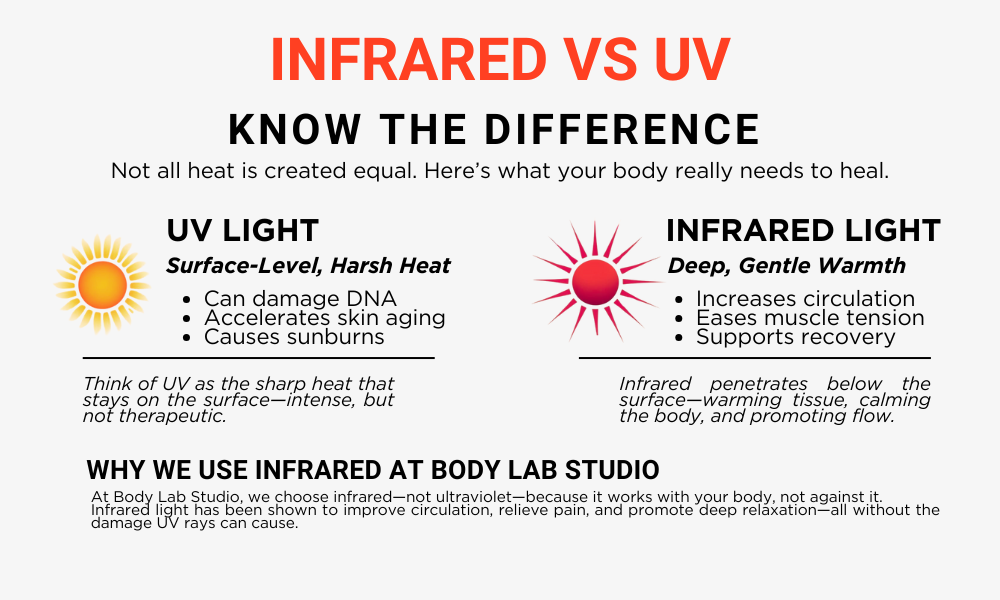
Mild pinkness, called erythema, is normal and expected due to increased blood flow. It should fade within 1 to 2 hours. Bright redness, pain, or blistering is a sign of overexposure or burn. Stop immediately. If you notice delayed redness or discomfort after treatment, it means you went too long or were too close.
Respond to Overheating
If skin becomes too hot or irritated, turn off and move away from the lamp. Apply a cool, not icy, compress to soothe the area. Do not pop blisters. Cover with a sterile bandage if needed. Seek medical help for second-degree burns, which show as deep redness and fluid-filled blisters. Remember that infrared is non-ionizing and UV-free, so it will not cause skin cancer, but improper use can still cause thermal burns.
Support Recovery with Post-Treatment Care
What you do after a session can enhance benefits and reduce side effects.
Hydrate and Track Progress
Drink water after treatment to support circulation and detoxification. Keep a symptom log noting changes in pain levels, mobility, or skin texture to measure progress. Take photos weekly if using for skin rejuvenation because improvements build over weeks.
Combine with Other Therapies
For faster results, pair infrared therapy with gentle stretching or foam rolling after muscle treatment. Apply topical creams or oils such as arnica or magnesium after the session. Use massage or warm baths to extend relaxation effects. Avoid applying lotions before treatment because they can overheat or reduce light penetration.
Maintain Your Lamp for Long-Term Use
A well-cared-for infrared lamp can last for years. Regular maintenance keeps it safe and effective.
Replace Bulbs at the Right Time
Average lifespan is around 5,000 hours, which is about 1 to 2 years with daily use. Signs it is time to replace include dim light, flickering, or weak heat output. Only use manufacturer-recommended bulbs in the correct wattage, usually 250 to 275 watts. Always let the bulb cool completely before replacing, and handle it with a clean cloth to avoid oil residue.
Clean Safely and Store Properly
Wipe the exterior with a dry or slightly damp cloth. Clean the grill and lens gently with a lint-free cloth, avoiding harsh chemicals. Dust the bulb occasionally with a microfiber cloth. Store in a dry place away from moisture and extreme temperatures. Avoid touching the bulb with bare hands because skin oils can create hot spots and shorten its life.
Choose the Right Lamp for Your Needs
Not all infrared lamps are designed for the same purpose. Know the difference before buying or using.
Therapeutic vs. Heating Models
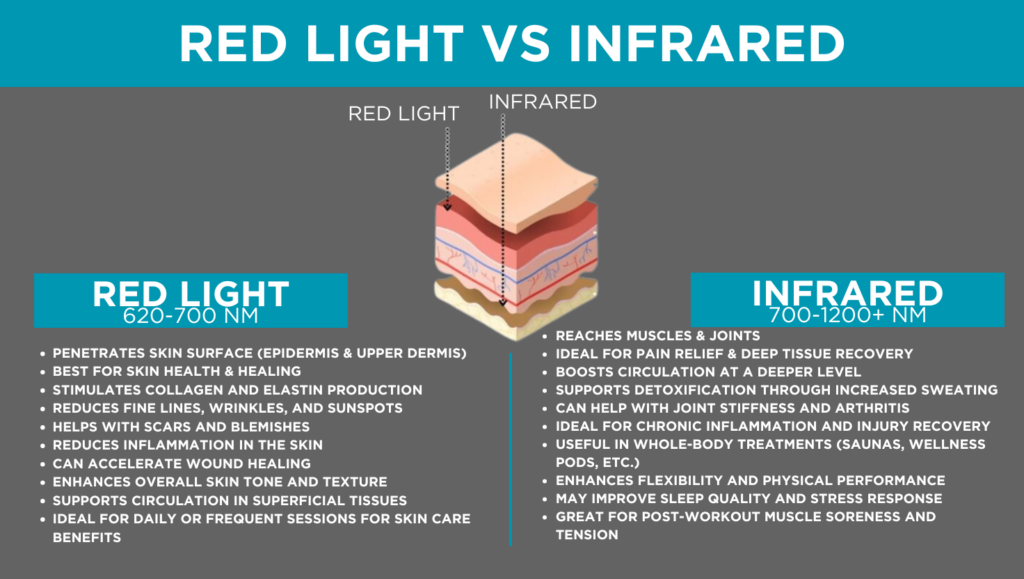
Therapeutic lamps are designed for pain relief and skin healing, with a distance of 45 to 70 centimeters from the body, used for 10 to 30 minutes per session on localized areas like the knee, back, or face, and require user monitoring. Infrared heaters are designed for room or zone warming, typically mounted high on walls or ceilings, used continuously with thermostat control, and cover broad areas like bathrooms or patios. Pick a therapeutic model if you want health benefits. Choose a heater if you just want warmth in a cold room.
Maximize Benefits with Expert Best Practices
Follow these final tips to get the most from your infrared lamp safely and consistently.
Start slow and build tolerance. Begin with 10 to 15 minute sessions at 60 centimeters distance. See how your body responds before increasing time or moving closer. This is especially important for sensitive skin or chronic conditions. Use a timer every time. Even experienced users fall asleep under the comforting warmth. A timer prevents accidental overexposure and ensures consistent dosing. Prioritize consistency over intensity. Daily 15-minute sessions deliver better results than occasional 1-hour marathons. Think of it like exercise. Regular use builds cumulative benefits. Keep away from children and pets. The bulb surface gets extremely hot. Place the lamp where kids and animals cannot touch or knock it over. Never replace medical care. Infrared lamps are complementary tools, not cures. If pain, skin issues, or other symptoms persist, see a healthcare provider.
Frequently Asked Questions About Using an Infrared Lamp
How close should an infrared lamp be to my skin?
For body treatments, keep the lamp 45 to 70 centimeters (18 to 28 inches) from your skin. Start at 60 centimeters (24 inches) for your first session and adjust closer only if the warmth feels gentle. For facial use, stay at least 45 centimeters away.
How long should I use an infrared lamp per session?
For general pain relief, use 15 to 20 minutes per area. For chronic deep pain, you can extend to 30 minutes if well tolerated. For facial treatments, never exceed 10 minutes. Most body areas can be treated 1 to 3 times daily.
Can I use an infrared lamp every day?
Yes, you can use an infrared lamp daily for body areas, ideally 1 to 3 times per day for persistent pain. For facial use, limit to once daily or every other day to avoid overstimulation. Consistency and regular short sessions deliver better long-term results than occasional long sessions.
What should I not do with an infrared lamp?
Do not use it on open wounds, infections, or inflamed skin. Avoid the eyes, thyroid gland, genitals, and abdomen during pregnancy. Do not fall asleep during treatment. Never use damaged equipment or near flammable materials. Do not use without consulting a doctor if you have diabetes, vascular disease, or nerve damage.
Does infrared lamp help with pain?
Yes, infrared lamp therapy effectively reduces localized joint and muscle pain, relaxes muscles, improves blood flow, and reduces stiffness. Many users report noticeable relief within minutes, with cumulative benefits after consistent daily use. It is widely used in physiotherapy and sports medicine.
Can an infrared lamp burn your skin?
Yes, improper use can cause thermal burns. Keep proper distance, limit session length, and stop immediately if you feel sharp pain, intense redness, or blistering. Mild pinkness is normal and fades within hours. Always use a timer and start at the recommended distance.
Key Takeaways for Using Your Infrared Lamp Safely
When used correctly, infrared lamps offer a safe, science-backed way to relieve pain, speed recovery, improve skin, and enhance relaxation. The most important factors are maintaining proper distance of 45 to 70 centimeters from your body, limiting sessions to 10 to 30 minutes depending on the treatment area, and always using a timer to prevent accidental overexposure. Inspect your equipment before each use, stay hydrated afterward, and track your progress to optimize results.
Stick to the facts, listen to your body, and make your lamp a trusted part of your daily wellness routine. If pain, skin issues, or other symptoms persist despite consistent use, consult a healthcare provider to rule out underlying conditions that may require additional treatment.