Choosing the right lampshade isn’t just about style. It’s a smart blend of proportion, function, and safety that transforms how a room feels and works. The perfect lampshade balances visually with the base, casts the right kind of light, and fits seamlessly into your decor. Whether you’re refreshing an old lamp or styling a new one, getting the shade right makes all the difference. With so many options in shape, size, material, color, and fitting type, it’s easy to feel overwhelmed. But by following a few key rules, like matching the shade width to twice the base or ensuring proper bulb clearance, you can quickly narrow down the best choice. This guide walks you through every step, from measuring your lamp to selecting the ideal fabric for light diffusion and mood.
Match Your Shade to the Fitting Type
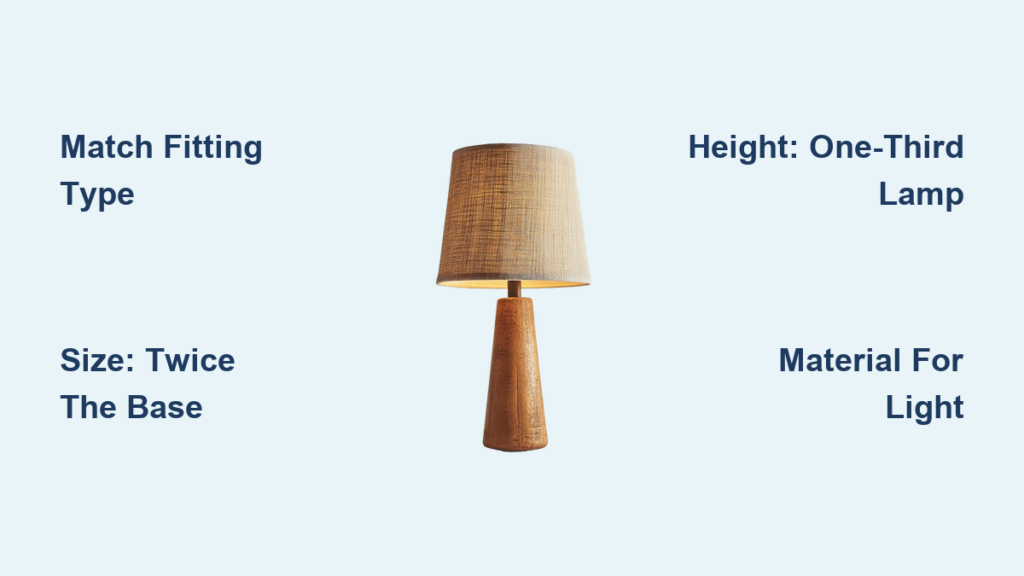
Before you consider style or size, confirm your lamp’s fitting type. This determines compatibility and installation method.
Spider Fitting: Most Common for Table Lamps
Spider fittings are the standard for traditional table and floor lamps with a visible harp. They feature a central metal hub with arms that support the shade. To install, you need a harp (wire frame) and finial (screw-on cap) to secure the shade in place. This fitting works best with hardback fabric shades that have open tops. When shopping, ensure the shade’s inner diameter fits over the spider arms. Standard sizes include 1-inch tops and 1.5-inch bottoms.
Uno Fitting: Sleek, Harp-Free Design
Uno fittings attach directly to the socket without requiring a harp. The shade slides over the socket and locks with a threaded ring. This creates a clean, minimalist look with no visible hardware. This design is ideal for modern lamps where streamlined lines matter more than traditional details. You’ll commonly find uno fittings on contemporary floor lamps and buffet lamps.
Clip-On Fitting: Quick and Temporary
Clip-on fittings use a small metal clip that attaches directly to the bulb. No harp, saddle, or finial is required, making installation effortless. This option works well for accent lighting, holiday decor, or temporary use. However, avoid using heavy shades or high-heat bulbs with clip-ons, as they risk falling or overheating.
Pro Tip: If unsure, check the top of your lamp. If there’s a harp and finial, it’s a spider fitting, the most common type.
Size It Right: Proportions That Balance

A well-proportioned lamp looks intentional and elegant. Get the size wrong, and even a beautiful shade can throw off the entire look.
Shade Height: One-Third of Total Lamp
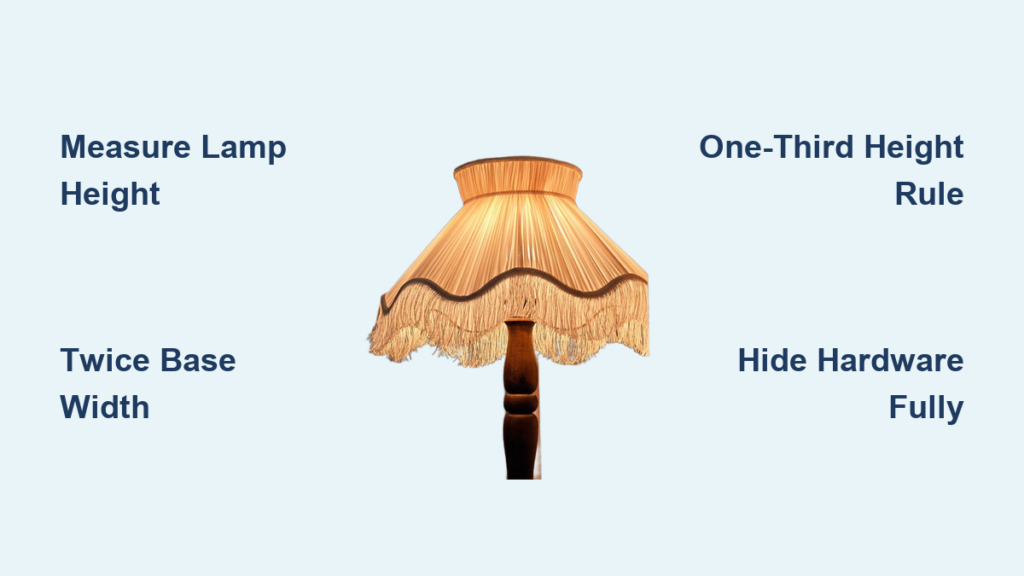
The ideal shade height equals approximately one-third of the total lamp height, measured from the base bottom to the shade top. For example, a 24-inch lamp calls for an 8-inch shade. An alternative rule follows a 60/40 split, where the base is 60% and the shade is 40% of the total height. If you’re unsure, choose a shade that is two-thirds to three-quarters the height of the lamp base alone.
Visual Clue: If the shade looks too short, the lamp feels stubby. Too tall, and it looks top-heavy.
Shade Width: Twice the Base, Plus Overhang
The shade diameter should be at least twice the width of the lamp base. For instance, a 10-inch wide base needs a 20-inch shade. For square or rectangular bases, measure diagonally to find the maximum width. The bottom edge should extend half an inch beyond each side of the base for visual stability.
When in Doubt: Pick the larger size. A slightly bigger shade often looks more balanced.
Check Harp and Hardware Fit
The harp height must match the side height of the shade. A 9-inch shade needs a 9-inch harp. Replaceable harps are available, so adjust if needed for your ideal shade. Once assembled, no hardware should be visible. The harp, socket, and saddle should all be concealed.
Design Hack: Use a shade riser (extender) to lift the shade and reveal more of a decorative base.
Choose the Right Shape for Your Base

The shade shape should complement the lamp base and fit the room’s style.
Round Base? Try Empire or Drum
Round or vase-shaped bases pair best with round, empire, or drum shades. Empire (tapered) is the most versatile option, working with traditional, industrial, and modern styles. Drum shades suit contemporary spaces and cast even light both upward and downward.
Square Base? Go Geometric
Match square or angular bases with square, rectangular, or hexagonal shades. This creates a clean, cohesive look. These shapes work especially well for mantels, hallways, or modern desk setups.
Delicate or Candlestick Base? Use Tapered or Oval
Slender, ornate bases call for empire, oval, or coolie shades. Avoid wide, heavy shades that overpower the base. Oval shades save space and can sit flush against walls, making them practical for tight corners.
When Base and Table Clash?
A round base on a square table benefits from a round or empire shade to soften the contrast. A square base on a round table can be balanced with a round shade that rounds off the angularity.
Rule of Thumb: If unsure, pick an empire shade. It’s the most universally flattering shape.
Pick Material for Light and Style

The fabric or material affects both ambiance and function, from brighter light to softer glow to dramatic effect.
Silk: Elegant and Warm
Silk is translucent and diffuses light softly. It feels luxurious and works beautifully in bedrooms and living rooms. However, silk attracts dust and requires gentle cleaning with a soft cloth. This material looks best in neutral tones for minimalist spaces.
Cotton and Linen: Casual and Durable
Cotton and linen offer moderate diffusion with natural texture. Both are easy to clean, making them great for family rooms and reading nooks. Block-printed cotton adds character, while linen gives a relaxed, organic feel.
Paper or Parchment: Modern and Even-Glow
Paper and parchment are translucent and cast a clean, soft light. They’re often lined with cotton for durability. These materials are perfect for Scandinavian or minimalist interiors. Marbled or hand-dyed versions add unique artistry.
Velvet and Dark Fabrics: Moody and Dramatic
Velvet and dark fabrics are opaque and block side light, directing illumination upward and downward only. They add richness and work best in bold colors like emerald, navy, or rust. Use these for accent lighting and mood settings, but avoid with high-heat bulbs that can scorch the material.
Wicker or Rattan: Textured and Boho
Wicker and rattan cast dappled, patterned shadows. They’re great for coastal, tropical, or eclectic rooms. These materials are durable but can trap dust, so vacuum with a brush attachment.
Pro Tip: Pair foil-lined interiors (gold for warm, silver for cool light) with opaque shades to boost reflection.
Use Color and Pattern Strategically
Your lampshade is a design opportunity to add color, contrast, or subtle harmony.
Light vs. Dark: Control the Glow
White, cream, and pastels maximize brightness and make rooms feel airy. Black, navy, and charcoal reduce light output while adding sophistication. The rule is simple: the darker the shade, the less light it emits.
Add Personality with Patterns
Ikat, block prints, and florals introduce global flair or vintage charm. Stripes and geometrics work well in modern or eclectic spaces. Hand-painted or marbled designs turn a lamp into a statement piece.
Should It Match the Base?
Matching isn’t necessary. A contrasting shade can be a focal point. Instead, echo a color in the base or room for cohesion. For example, a brick-red pigota silk shade can warm up a bronze base.
Try Before You Buy: Use online tools to see how fabric looks when lit.
Control Light with Diffusion Type
The shade’s opacity determines how light fills the room, whether ambient, task, or accent.
Translucent Shades: Soft, Even Glow
Translucent shades let light pass through the sides. They’re ideal for bedside, reading, or hygge-style lighting. Use light-colored cotton, silk, or parchment. Pair with warm white bulbs (2700K to 3000K) for cozy ambiance.
Opaque Shades: Focused, Directional Light
Opaque shades block side light and only emit upward and downward. Use velvet, laminated card, or metal. These are perfect for task lamps, desk lighting, or highlighting artwork.
Semi-Opaque: Balanced Light
Semi-opaque shades offer partial diffusion, making them good for general room lighting. Textured weaves or lined fabrics provide both mood and function.
Boost Brightness: Choose shades with white or silver interiors to reflect more light.
Match Shade to Lighting Purpose
Know the lamp’s job, as this guides your shape, material, and opacity choices.
Task Lighting: Read, Work, Write
Use opaque or metal shades that direct light downward. Pair with 800 to 1100 lumen LED bulbs. Position so light falls on the task area without glare. This combination works best for desks, kitchen islands, and bedside tables.
Ambient Lighting: Set the Room’s Mood
Choose drum, empire, or pleated shades in light, translucent fabrics. These emit 360-degree soft light, great for living rooms and hallways. Use with dimmers for adjustable warmth.
Accent Lighting: Highlight and Decorate
Use textured, colored, or patterned shades to cast interesting shadows. Combine with dimmable bulbs for mood shifts. This approach is ideal for corner floor lamps, wall sconces, or art lighting.
Pro Move: Turn on all lamps at night to create layered, inviting light.
Ensure Bulb and Heat Safety
A beautiful shade is useless if it’s a fire hazard. Safety first.
Keep 2-3 Inches of Bulb Clearance
Measure from the bulb tip to the inner sides of the shade. This prevents singed fabric, discoloration, or fire. This clearance is critical for paper, silk, or parchment shades.
Choose the Right Bulb
Opaque white LED bulbs provide even light with less glare. Avoid clear bulbs with textured or woven shades, as filaments show through. For foil-lined shades, use warm white bulbs (2700K to 3000K) to enhance the glow. Never exceed the socket’s wattage limit.
Test It: Bring your lamp to the store to check fit and light effect before buying.
Adjust and Upgrade Hardware
Sometimes, the perfect shade needs a small tweak to fit just right.
Replace the Harp for Better Fit
First, remove the old harp by squeezing the stays at the base and pulling up. Then, insert the new harp by flipping it upside down, squeezing, and pressing into the saddle. The stays lock automatically. Match the harp height to the shade side height.
Use a Shade Riser for Better Proportion
A threaded extender lifts the harp and shade. This reveals more of a decorative base and fixes imbalance when the shade sits too low.
Finials: Small Detail, Big Impact
Finials should complement, not dominate. Choose crystal, brass, or ceramic for elegance. Screw on tightly to secure the shade.
Hack: Swap finials seasonally. Gold for winter, colored glass for summer.
Maintain and Refresh Your Shade
A well-maintained shade lasts longer and keeps its look.
Dust Regularly
Silk, velvet, and wicker need a soft cloth or vacuum with a brush attachment. Cotton and linen can be wiped with a damp cloth, following care labels.
Store Properly
Keep shades in a dust-free, dry place when not in use. Avoid crushing. Store in a box or shade bag.
Swap for Seasonal Style
Summer calls for light colors, linen, and paper. Winter suits dark tones, velvet, and metallics. Clip-on shades make seasonal changes easy without tools.
Budget Upgrade: A $30 shade can transform a room faster than a full redecorate.
Key Takeaways for Choosing Your Perfect Lampshade
Choosing the right lampshade combines practical measurements with creative expression. Start by identifying your fitting type (spider, uno, or clip-on) to ensure compatibility. Apply the sizing rules: shade height should be one-third of total lamp height, and diameter should be twice the base width. Match the shade shape to your lamp base, defaulting to empire when uncertain. Select materials based on your lighting goals, whether soft ambient glow or focused task illumination. Remember that color affects light output, darker shades reduce brightness, and lighter shades maximize it. Always maintain 2 to 3 inches of bulb clearance for safety. With these principles, you can transform any lamp into a beautiful, functional lighting centerpiece.
Frequently Asked Questions About Choosing a Lampshade
How do I know what size lampshade to buy?
Measure your lamp base width and multiply by two for the ideal shade diameter. For height, aim for one-third of your total lamp height. When in doubt, choose the larger size for better visual balance.
What is the best shape for a table lamp?
Empire shades are the most versatile and work with almost any base style. Round bases pair with round or drum shades. Square bases match square or rectangular shades. Choose based on your specific lamp shape and room decor.
Does the lampshade material affect how bright the light is?
Yes, the material directly impacts light diffusion. Translucent materials like silk, cotton, and parchment allow more light through. Opaque materials like velvet block side light and direct it up and down only.
Can I use any bulb with a lampshade?
No. Avoid clear bulbs with textured or woven shades, as the filament shows through. Ensure 2 to 3 inches of clearance between the bulb and shade interior. Never exceed the socket’s wattage limit, especially with silk, paper, or parchment shades.
How do I match a lampshade to my room decor?
Consider the room’s existing colors and style. Light shades maximize brightness in airy spaces. Dark shades add drama and work in moodier settings. You don’t need to match the base exactly; contrasting shades can become focal points.