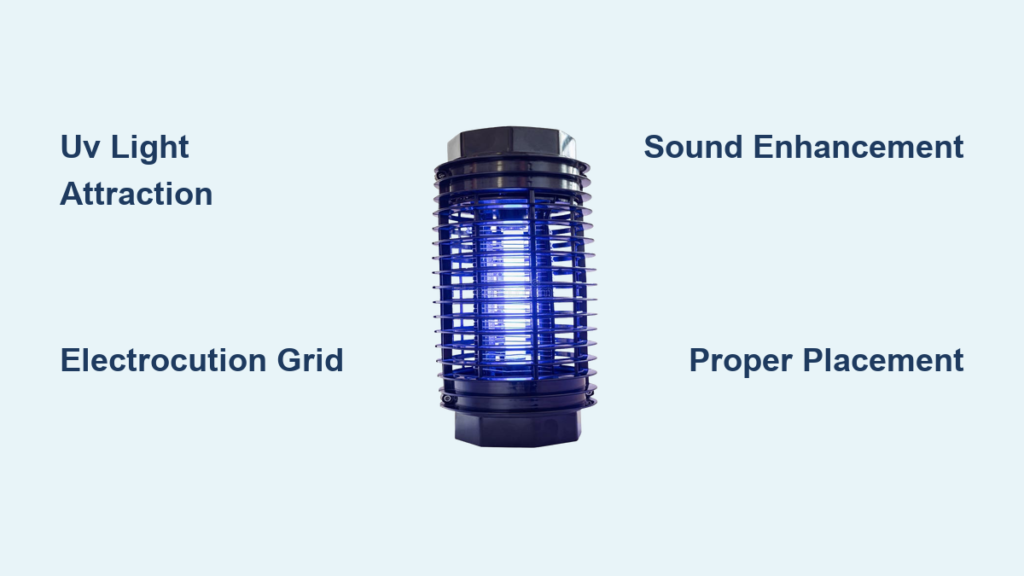
You turn on a mosquito lamp, place it in the corner of the room, and within minutes, you hear the faint sizzle of insects meeting their end. But how does a mosquito lamp work so silently and effectively without sprays, smells, or chemicals? The answer lies in a combination of science and smart design. These devices use ultraviolet (UV) light and sometimes low-frequency sound waves to lure mosquitoes and other flying pests, then trap or electrocute them on contact.
Mosquito lamps are especially popular because they are safe for indoor use, quiet, and require minimal maintenance. They do not emit harmful fumes, making them pet and child friendly. As mosquitoes become more resistant to chemical sprays and concerns about pesticide exposure grow, people are turning to mechanical alternatives. In this guide, you will learn exactly how mosquito lamps attract and kill insects, which models work best, and how to use them effectively for maximum protection.
UV Light Attracts Mosquitoes
Mosquitoes are naturally drawn to ultraviolet (UV) light because it mimics the visual spectrum of natural light sources they associate with feeding and survival. While humans cannot see UV light, many insects, including mosquitoes, have photoreceptors that detect it. To them, a UV-emitting lamp looks like a bright, glowing beacon, similar to moonlight or open sky. This attraction is especially strong at dusk and night when mosquitoes are most active.
Why Mosquitoes See UV Light
Mosquitoes have specialized photoreceptors that detect UV wavelengths between 365 and 400 nanometers. This range closely resembles the light reflected by human skin and warm-blooded animals. When a mosquito detects this wavelength, it interprets it as a potential food source. The lamp essentially tricks the mosquito into believing a host is nearby, drawing it closer to the killing zone.
How UV Mimics Human Presence
Beyond general attraction, UV light resembles the kind of glow emitted by warm-blooded animals. When combined with body heat and carbon dioxide, UV helps mosquitoes locate hosts. Since mosquito lamps emit light in the 365 to 400 nm wavelength range, they trick mosquitoes into thinking a potential meal is nearby. Once the insect flies toward the light, it enters the killing zone.
Not All UV Bulbs Are Equal

Different mosquito lamps use varying UV intensities and wavelengths. Higher-quality models use long-life UV bulbs that remain effective for 8,000 to 20,000 hours. Lower-wattage lamps at 13W to 14W work well in small rooms, while 30W or 58W models cover larger spaces up to 80 m². The stronger the UV output, the wider the effective range, typically between 30 m and 80 m depending on model and placement.
Sound Waves Enhance Attraction
Some mosquito lamps go beyond UV light by emitting low-frequency sound waves designed to mimic the breathing patterns or wingbeats of humans or animals. These sounds fall within the frequency range that female mosquitoes, those that bite, use to locate hosts. While scientific consensus on sound effectiveness varies, many users report increased insect capture when sound is combined with UV light.
Do Low-Frequency Sounds Lure Mosquitoes
The theory behind sound attraction is that female mosquitoes use sound to locate hosts. By emitting frequencies that mimic human breathing or wingbeats, these lamps create a more convincing lure. However, not all mosquito species respond to sound, and the effectiveness varies by model and environment.
Sound vs. CO₂: What Works Better
Unlike high-end commercial traps that release carbon dioxide (CO₂), most consumer mosquito lamps do not emit CO₂. This limits their ability to compete with real human presence. However, the combination of UV light and low-frequency sound still creates a strong enough lure for many mosquito species, especially in enclosed or semi-enclosed areas like bedrooms or porches.
Limitations of Sound-Based Attraction
It is important to note that not all mosquito species respond to sound. Some models include this feature more for marketing than measurable results. For best performance, rely primarily on UV light strength and placement, using sound as a secondary enhancer rather than a primary attractant.
Electrocution Grid Kills on Contact
Once mosquitoes are drawn to the light and sound, they fly into the lamp’s inner electrified grid. This grid carries a high-voltage, low-current charge, typically several thousand volts but very low amperage, making it lethal to small insects but safe for humans and pets. When a mosquito touches the grid, it completes the circuit and is instantly electrocuted with a small zap.
How the Electric Grid Functions
The electrocution grid consists of parallel wires with an electrical current running through them. When an insect bridges the gap between two wires, the circuit completes and delivers a fatal shock. The high voltage ensures instant kill, while the low current prevents any danger to larger animals or humans.
Safety Features Built In
Despite the high voltage, these lamps are designed with safety in mind. The outer casing is made of non-conductive or aluminum materials that prevent accidental contact. Most models have protective grills with narrow gaps under 6 mm, stopping fingers or larger animals from touching the grid. Additionally, the low current ensures no fire hazard or electrical risk during normal use.
What You Will Hear and See
As mosquitoes hit the grid, you may hear a faint crackling or popping sound, a sign the lamp is working. Over time, you will notice dead insects collecting at the base or on a removable drip tray. Regular cleaning ensures optimal airflow and electrical efficiency, preventing residue buildup that could reduce performance.
Some Models Use Fan Traps Instead
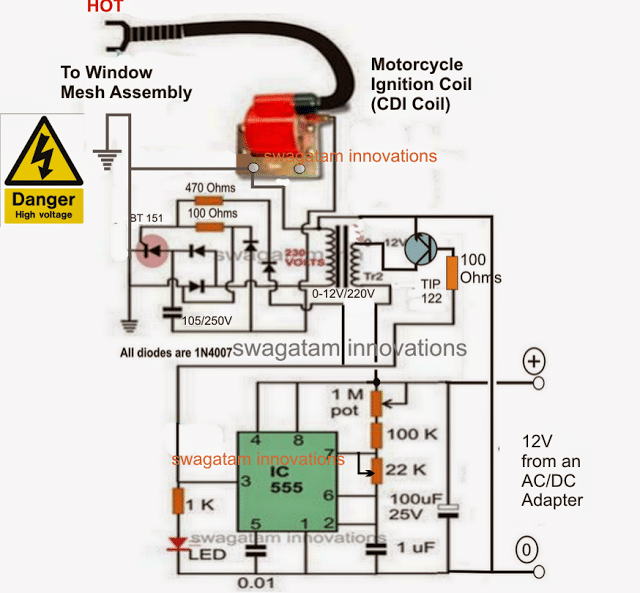
Not all mosquito lamps use electrocution. Some models replace the electric grid with a powerful suction fan that pulls insects into a containment chamber. Once inside, the mosquitoes dehydrate and die. These are often quieter and safer for homes with curious children or pets, as there is no electrical charge involved.
How Fan-Based Traps Work
Fan-based traps use a quiet motor to create suction that pulls insects toward a collection chamber. The airflow disorients the mosquito, preventing it from escaping. Over time, the insects die from dehydration rather than instant electrocution. This method is particularly effective in bedrooms and nurseries where silence is priority.
Pros and Cons: Fan vs. Electrocution
Fan trap lamps produce a low hum, while electric grid lamps make occasional zap sounds. Fan traps offer higher safety since there is no electricity exposed, but the kill speed is slower due to dehydration. Electric grid lamps provide instant results and visible proof of effectiveness. For maintenance, fan traps require weekly chamber emptying, while electric models need grid and tray cleaning.
Ideal Placement Maximizes Results
Placement is critical for how well a mosquito lamp works. For best results, position the lamp 1 to 2 meters above the ground, close to where mosquitoes fly. Place it in dark, still areas away from competing light sources like lamps or TVs, which can reduce UV visibility. Avoid placing it near doors or windows where drafts might blow insects away.
Where to Place Your Mosquito Lamp
The ideal location is central to the room but away from human activity. Mosquitoes tend to fly at heights between 1 and 2 meters, so positioning the lamp at this level maximizes exposure. Dark corners and quiet areas work better than well-lit spaces near television screens or reading lamps.
Distance from People Matters
Do not place the lamp right next to where you are sitting. Mosquitoes may still prefer the real host over the lamp if it is too close. Instead, position it 2 to 3 meters away to create a protective zone. This draws mosquitoes away from people and into the trap.
Indoor vs. Outdoor Use
Most mosquito lamps are suitable for both indoor and outdoor use, but check the IP (ingress protection) rating. Indoor models may lack weather resistance, while outdoor-rated lamps can withstand moisture and dust. For patios or camping, choose portable models with rechargeable batteries or durable aluminum housing.
Maintenance Keeps It Effective
A dirty electrocution grid loses efficiency. Dead insect residue can insulate the wires, reducing conductivity. Clean the grid every 1 to 2 weeks using a small brush or compressed air. For stubborn buildup, unplug the device and wipe with a dry cloth. Never use water while the unit is assembled.
Clean the Grid Regularly
Over time, dead insects accumulate on the electrified grid, creating a barrier that reduces effectiveness. Regular cleaning restores full conductivity and ensures every mosquito that reaches the grid meets its end. Use a soft brush to dislodge debris, and wipe with a dry cloth.
Empty the Collection Tray
Lamps with drip trays or fan chambers should be emptied weekly. Accumulated dead insects can attract secondary pests like ants or mold. Remove the tray, dispose of contents, and rinse with warm water. Let it air dry completely before reinserting.
Replace UV Bulbs on Schedule
UV bulbs degrade over time, even if they still glow visibly. Most last 8,000 to 20,000 hours depending on wattage. If your lamp is not attracting as many insects, the bulb may need replacement even if it has not burned out. Check manufacturer guidelines for bulb lifespan and availability.
Choose the Right Model for Your Space

Using the wrong-sized lamp reduces effectiveness. Small bedrooms up to 30 m² work well with 13W to 14W models covering up to 30 m. Living rooms around 40 m² need 30W lamps, while large patios or offices up to 80 m² require 58W professional models.
Match Power to Room Size
Higher-wattage models like the 30W or 58W professional lamps are built for commercial or open spaces and feature dual UV lamps and sturdier aluminum construction. The coverage area directly corresponds to wattage, so choosing appropriately ensures you do not waste money on an overpowered unit for a small room.
Portability for Travel and Camping
Some mosquito lamps double as flashlights or battery-powered lanterns, making them perfect for outdoor adventures. Look for models with rechargeable batteries, USB charging, and compact designs. These are especially useful when camping, where chemical sprays are less desirable and power sources may be limited.
Check Durability and Warranty
Most quality mosquito lamps are made from aluminum or high-impact plastic, ensuring long-term durability. Look for models with a 1-year warranty and easy-to-clean components. Aluminum housings resist corrosion and last longer, especially in humid environments.
Advantages Over Chemical Repellents
One of the biggest benefits of mosquito lamps is that they do not release insecticides, DEET, or smoke. This makes them ideal for people with asthma, allergies, or sensitivities to chemical sprays. Unlike coils or plug-in repellents, they do not affect indoor air quality.
No Harmful Chemicals or Fumes
Traditional mosquito repellents often contain chemicals that can cause respiratory issues or skin irritation. Mosquito lamps eliminate this concern entirely, providing a clean solution that does not compromise air quality or require protective measures.
Silent and Continuous Operation
Mosquito lamps run quietly all night. While electrocution models make occasional zapping sounds, they are far less disruptive than buzzing mosquitoes. Fan-based models are nearly silent, making them great for bedrooms and nurseries.
Cost-Effective Long-Term Solution
Although the upfront cost ranges from $20 to $100, mosquito lamps save money over time. You are not constantly buying refills, sprays, or coils. With a lifespan of 8,000 to 20,000 hours, a single lamp can last years with minimal maintenance.
Frequently Asked Questions About Mosquito Lamps
Does a mosquito lamp work for all mosquito species?
Mosquito lamps attract many species, but effectiveness varies. Models using UV light work well for most common house mosquitoes, while species that rely more on scent cues may be less attracted. Combining UV with sound improves capture rates across more species.
Are mosquito lamps safe for babies and pets?
Yes, most mosquito lamps are safe when used properly. Fan-based models pose no electrical risk, while electrocution models have protective grills that prevent contact. Place lamps out of reach of curious pets and children for added safety.
How long does it take for a mosquito lamp to work?
You may see results within hours of turning on the lamp. Mosquitoes are most active at dusk and night, so placing the lamp in the evening yields the fastest results. Full effectiveness typically occurs after one to two nights of continuous use.
Can I use a mosquito lamp outdoors in the rain?
Standard mosquito lamps are not waterproof. For outdoor use, look for models with appropriate IP ratings for weather resistance. Alternatively, place the lamp under covered areas like porches or patios to protect it from direct rainfall.
Do mosquito lamps consume a lot of electricity?
Most consumer models consume between 13W and 58W, similar to standard light bulbs. Running a 30W lamp for 8 hours costs only a few cents per day, making them economical for continuous overnight use.
What is the best placement for maximum mosquito capture?
Position the lamp 1 to 2 meters above ground level, away from competing light sources and drafty areas. Place it 2 to 3 meters from where people sit to draw mosquitoes toward the trap rather than toward humans.
Key Takeaways for Understanding How Mosquito Lamps Work
Mosquito lamps work by combining UV light attraction, sound enhancement, and electrocution or fan-based trapping to eliminate mosquitoes without chemicals. They are safe, efficient, and ideal for homes, offices, and outdoor spaces. Choosing the right model for your area, placing it strategically, and maintaining it regularly ensures maximum protection against biting pests. Whether you need a compact travel lamp or a high-power unit for a large patio, there is a mosquito killing lamp designed to meet your needs.