Driving through thick fog can feel like navigating a ghostly tunnel. Your headlights reflect back at you, creating a blinding wall of light with little to no view of the road ahead. In these moments, fog lamps become a crucial safety tool. But how does fog lamp work, exactly? Unlike regular headlights designed to shine far into the distance, fog lamps are engineered to illuminate the road directly in front of your vehicle, cutting through low-lying fog with precision. They use a wide, flat beam angled sharply downward to reduce glare and backscatter caused by light bouncing off water droplets suspended in the air.
Understanding how fog lamps work is about more than knowing when to flip a switch. It is about leveraging their unique design to stay safe in poor weather conditions. From their low bumper-mounted position to their specialized beam pattern, every aspect is optimized for one purpose: improving visibility when standard headlights fail. This guide breaks down the science, function, and best practices behind fog lamps so you can use them effectively and legally.
Low Mounting Position: Why Fog Lamps Stay Near the Ground
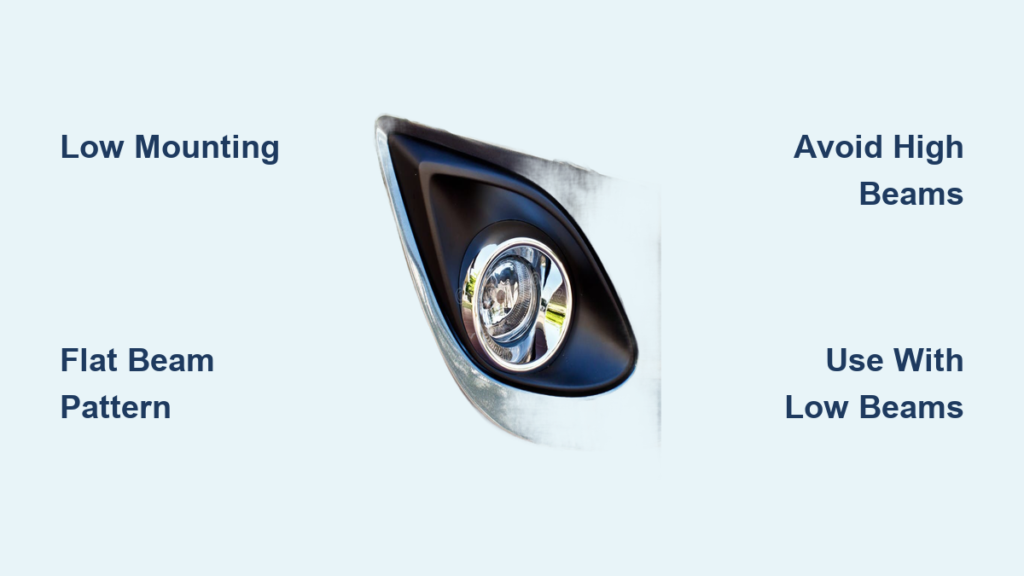
Fog lamps are mounted low on the vehicle, typically between 10 and 16 inches above the road surface. This strategic placement is not arbitrary. Fog tends to hover slightly above ground level, so keeping the lights beneath the densest part of the fog allows the beam to pass under the fog layer instead of shooting directly into it.
When light from high-mounted headlights hits fog, it scatters in all directions, creating a white wall effect that actually impairs vision. Fog lamps avoid this problem by projecting light just above the pavement, where it illuminates lane markings, curbs, and obstacles without entering the fog mass where reflection occurs.
Why Height Matters for Fog Lamp Performance
Fog accumulates above the road surface, especially in valleys and near bodies of water. Low placement keeps the beam under the fog layer, dramatically reducing backscatter. Higher-mounted auxiliary lights, like driving lamps, actually worsen glare in foggy conditions because they project light into the fog layer itself.
Proper Installation Height Standards
Ideal mounting height ranges from 10 to 16 inches from ground level. The lamps must be level and securely mounted to maintain proper beam direction. Aftermarket installations must follow factory specifications to ensure safety and legal compliance. Deviating from correct height significantly reduces performance and can blind oncoming drivers.
Wide, Flat Beam Pattern: Cutting Through Fog
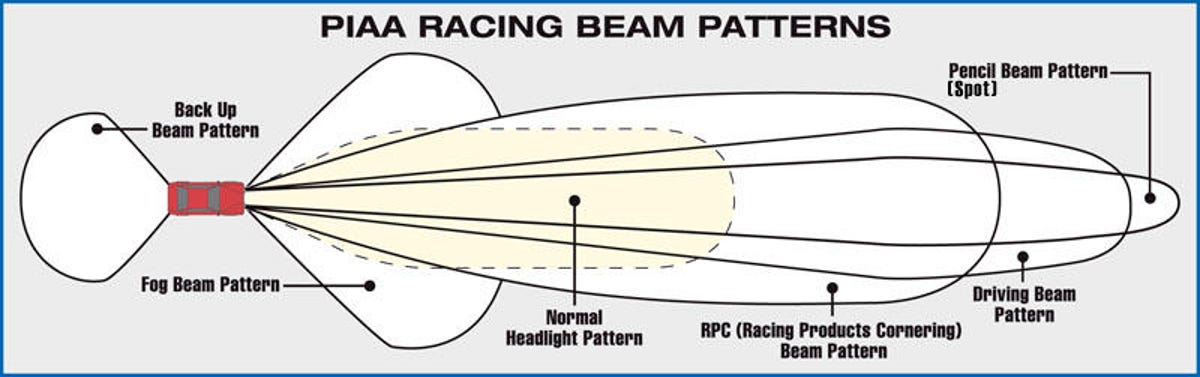
The defining feature of how fog lamps work is their beam pattern. Unlike the focused, long-range beams of headlights, fog lamps project a short, wide, bar-shaped spread of light that illuminates the immediate road ahead within 30 to 50 meters. This broad horizontal illumination enhances peripheral visibility, helping drivers detect lane boundaries, road curves, and potential hazards even when distant objects are invisible.
Key Beam Characteristics
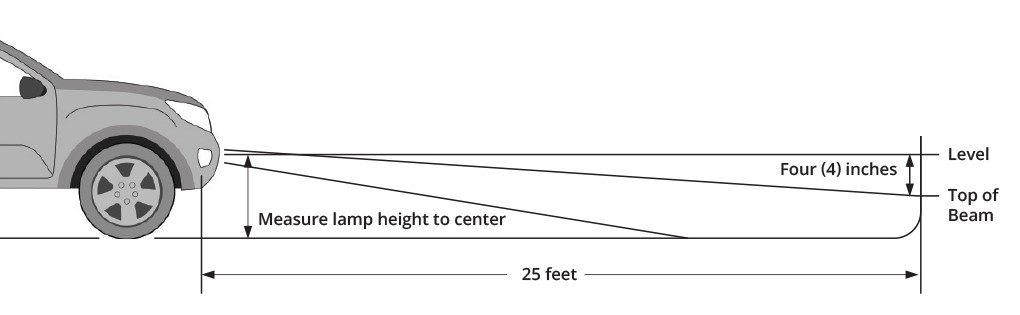
The beam has several critical characteristics that make it effective in fog. The short range of 30 to 50 meters provides enough light for low-speed navigation without projecting into the fog mass. The wide horizontal spread matches vehicle width to illuminate edges. The steep downward angle of 5 to 10 degrees below horizontal keeps light off the fog. The sharp upper cutoff blocks light from rising into the fog where it would cause glare.
These optics are standardized under regulations like ECE R19, ensuring consistent performance across approved models.
How Fog Lamp Beams Compare to Headlights
Standard headlights project light farther but with a shallower angle, which increases reflection in fog. Fog lamps sacrifice distance for clarity, prioritizing contrast over reach. This makes them ideal for slow-speed navigation in dense conditions where reaction time depends on seeing the near-field road rather than distant objects.
Reducing Glare With Controlled Light Direction
One of the biggest challenges in foggy conditions is glare. Light reflecting off millions of tiny water droplets bounces back toward the driver, turning headlights into counterproductive tools that reduce visibility instead of improving it. Fog lamps solve this problem by minimizing upward light projection through several design features.
Design Elements That Minimize Glare
The low mounting position keeps the beam under the fog layer. The flat beam shape avoids vertical spread into the fog mass. Precise shielding inside the lamp housing blocks stray light that could scatter. Dark lens bezels absorb internal reflections that could cause glare.
These design choices ensure that nearly all light goes where it is needed, onto the road surface, and not into the air where it would cause backscatter and reduce visibility.
Critical Warning About High Beams
Using high beams while fog lamps are active defeats their purpose entirely. High beams project light upward and far ahead, increasing backscatter and creating dangerous glare. Always pair fog lamps with low-beam headlights only. This combination provides optimal visibility in fog without blinding reflection.
Front vs. Rear Fog Lamps: Different Safety Roles
Fog lamps come in two distinct types, each serving a different safety purpose on the road.
Front Fog Lamps: Improving Forward Visibility
Front fog lamps are mounted on the front bumper and help drivers see the road ahead in low-visibility conditions. They are activated manually and must be used with low-beam headlights, never alone. Their purpose is to light the immediate path while minimizing glare. The dashboard symbol is typically a green or yellow icon showing a beam through wavy lines pointing left.
Rear Fog Lamps: Making Your Vehicle Visible From Behind
Rear fog lamps make your car more visible to following traffic in dense fog. They emit a bright, steady red light that is distinct from brake lights, which flash when braking. These are more common in European and Asian markets and are typically mounted on the driver’s side or center of the rear bumper.
Only one rear fog lamp is allowed in many countries to avoid confusion with brake lights. Rear fog lamps are not required in the United States but are available on some imported models. Never leave rear fog lamps on in clear weather, as they can be mistaken for brake lights and increase the risk of rear-end collisions.
When to Use Fog Lamps for Maximum Safety
Knowing how fog lamps work includes knowing exactly when to use them and when to keep them off.
Appropriate Conditions for Activation
Fog lamps should be activated when visibility drops below 100 to 200 meters. This includes dense fog, heavy rain, snowstorms, and dust storms. They are also useful in daytime fog where headlights cause glare. Early morning and late evening during high-humidity seasons are common times for activation.
The rule of thumb is simple. If your headlights create a white wall of light reflecting back at you, switch to fog lamps.
Best Practices for Fog Lamp Use
Use fog lamps during reduced speeds, not highway driving. Turn them on before entering fog, not after. Always combine fog lamps with windshield wipers and defrosters for complete visibility. Verify the fog lamp indicator is lit on your dashboard after activation. Some vehicles disable front fogs unless low beams are turned on.
Common Mistakes to Avoid With Fog Lamp Use
Misuse of fog lamps is common and can be dangerous. Understanding these mistakes helps you avoid them.
Using Fog Lamps in Clear Weather
Fog lamps are bright and low-mounted, causing significant glare for oncoming drivers. On curves or hills, they can blind others even at night. Many drivers mistakenly leave them on after fog clears, which is both dangerous and often illegal. Never use fog lamps as daytime running lights, as they are not designed for that purpose.
Using Fog Lamps at High Speeds
The limited beam range of 30 to 50 meters does not provide enough reaction time at high speeds. Relying on fog lamps alone on highways is unsafe. These lamps are designed for low-speed navigation in poor visibility, not for high-speed driving.
Legal Consequences of Misuse
In the United States, Canada, the European Union, and the United Kingdom, fog lamps must only be used in low-visibility conditions. Fines or citations may result from misuse. Some states prohibit front fog lamps unless the vehicle has sealed-beam headlights. Always check local regulations to ensure compliance.
Activating Fog Lamps: Dashboard Controls and Symbols
Fog lamps are controlled separately from main headlights, usually through a dedicated switch or button.
Common Activation Methods
Activation methods vary by vehicle but typically include a rotary dial with fog lamp symbol, a push-button on the dashboard or steering column, or a touchscreen menu in modern infotainment systems. The general activation sequence requires turning on the ignition or headlights first, then pressing the fog lamp button for front and rear lamps, and finally confirming the dashboard indicator is lit.
Dashboard Indicator Symbols
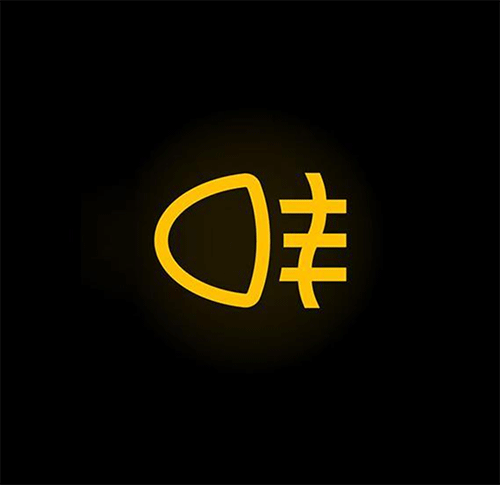
The front fog lamp indicator is a green or yellow icon of a light beam shining through wavy lines, pointing left. The rear fog lamp indicator uses the same symbol but pointing right or labeled “REAR FOG.” Some vehicles disable fog lamps if low beams are off, so always consult your owner’s manual for model-specific rules.
Choosing Between Factory and Aftermarket Fog Lamps
When adding or replacing fog lamps, you have two main options: factory-installed or aftermarket units.
Benefits of Factory Fog Lamps
Factory fog lamps are integrated into the bumper design and properly aligned at the factory. They meet regulatory standards and are covered under your vehicle warranty. They activate through the OEM control system seamlessly. Factory units are best for reliability, safety, and maintaining resale value.
Considerations for Aftermarket Fog Lamps
Aftermarket fog lamps offer style and brightness upgrades, such as LED pods. However, they require careful installation to avoid misalignment. Poorly aimed aftermarket lamps can cause excessive glare and endanger other drivers. They may not meet ECE or DOT standards.
Choose IP67-rated, glass-lens models for durability and weather resistance. Avoid cheap plastic units that yellow over time. Always align aftermarket lamps correctly, pointing slightly downward and inward to avoid blinding others.
Maintaining Fog Lamps for Long-Term Performance
Regular maintenance ensures fog lamps work when needed most.
Monthly Inspection Checklist
Inspect lenses monthly for cracks, cloudiness, or moisture inside the housing. Clean with automotive-safe cleaner and a microfiber cloth. Test both bulbs and replace burned-out ones immediately. Check that mounting hardware remains secure.
Bulb Replacement Guidelines
Halogen bulbs use a twist-lock base, and you should wear gloves to avoid oil contamination from skin oils. LED fog lamps are often sealed units requiring entire housing replacement. Always use the exact replacement type specified for your vehicle, such as H8, H11, or 9006.
Extending Fog Lamp Lifespan
Apply UV-protectant coating to plastic lenses to prevent degradation. Replace fogged or yellowed housings promptly. Ensure all seals are intact to prevent condensation buildup. Well-maintained fog lamps can last five or more years, especially LED units with 15,000 to 30,000 hour lifespans.
Frequently Asked Questions About Fog Lamps
Do yellow fog lights actually work better than white ones?
No, this is a common myth. Modern testing shows that color has minimal impact on fog penetration performance. Beam pattern, angle, and mounting position matter far more than bulb color. Many factory-installed fog lamps now use white LED bulbs with excellent results.
Can I use fog lamps as daytime running lights?
No, fog lamps should never be used as daytime running lights. They are designed specifically for low-visibility conditions and can blind other drivers when used in clear weather. Their brightness and low angle cause significant glare for oncoming traffic.
Why do some cars have rear fog lamps and others do not?
Rear fog lamps are required in Europe and Asia but not in the United States. American regulations do not mandate rear fog lamps, though some imported models include them. They serve to make your vehicle more visible to following traffic in dense fog.
How far do fog lamps illuminate the road?
Fog lamps typically illuminate 30 to 50 meters (98 to 164 feet) ahead of the vehicle. This short range is intentional, designed for low-speed driving in poor visibility rather than high-speed highway travel.
Are LED fog lamps better than halogen fog lamps?
LED fog lamps offer superior brightness, energy efficiency, and longevity compared to halogen units. They provide instant-on illumination and last 15,000 to 30,000 hours versus 500 to 1,000 hours for halogens. The higher upfront cost of LEDs is offset by long-term savings and performance benefits.
Do I need to use fog lamps with low beams?
Yes, fog lamps must always be used in combination with low-beam headlights, never alone. Most vehicles require low beams to be activated before fog lamps will function. This ensures proper lighting balance and compliance with safety regulations.
Key Takeaways for Safe Fog Lamp Use
Fog lamps are not a luxury or cosmetic enhancement. They are safety-critical tools designed for specific environmental conditions. Their effectiveness comes from the combination of low mounting position, sharp downward beam angle, and wide horizontal spread, all working together to minimize light reflection and maximize road visibility in fog.
Use fog lamps only in low-visibility situations including fog, heavy rain, snow, and dust. Avoid using them in clear conditions to prevent blinding other drivers. Always combine fog lamps with low-beam headlights, never high beams. Reduce your speed when fog lamps are active, as visibility remains limited to a short distance. Remember that color is secondary to beam pattern and placement in determining performance.
Follow manufacturer instructions for activation and maintenance. Check local regulations regarding fog lamp use in your area. When used appropriately, fog lamps significantly enhance driving safety and situational awareness, helping you navigate hazardous conditions until you can reach a safe stopping point or weather improves.