Feeling sluggish, moody, or unusually tired during winter? You might be experiencing Seasonal Affective Disorder (SAD), a type of depression linked to reduced sunlight. One of the most effective, non-invasive treatments is using a SAD lamp, a light therapy box designed to mimic natural outdoor light. When used correctly, it can reset your circadian rhythm, boost serotonin levels, and significantly improve mood within days.
But simply owning a SAD lamp is not enough. Many people fail to see results because they use it too far away, at the wrong time, or with ineffective devices. This guide reveals exactly how to use a SAD lamp for maximum benefit, based on clinical research and expert protocols. You will learn the right timing, distance, duration, and safety tips, plus how to avoid common mistakes that undermine treatment.
Choose the Right 10,000 Lux Lamp
Pick a Clinically Effective Light Box
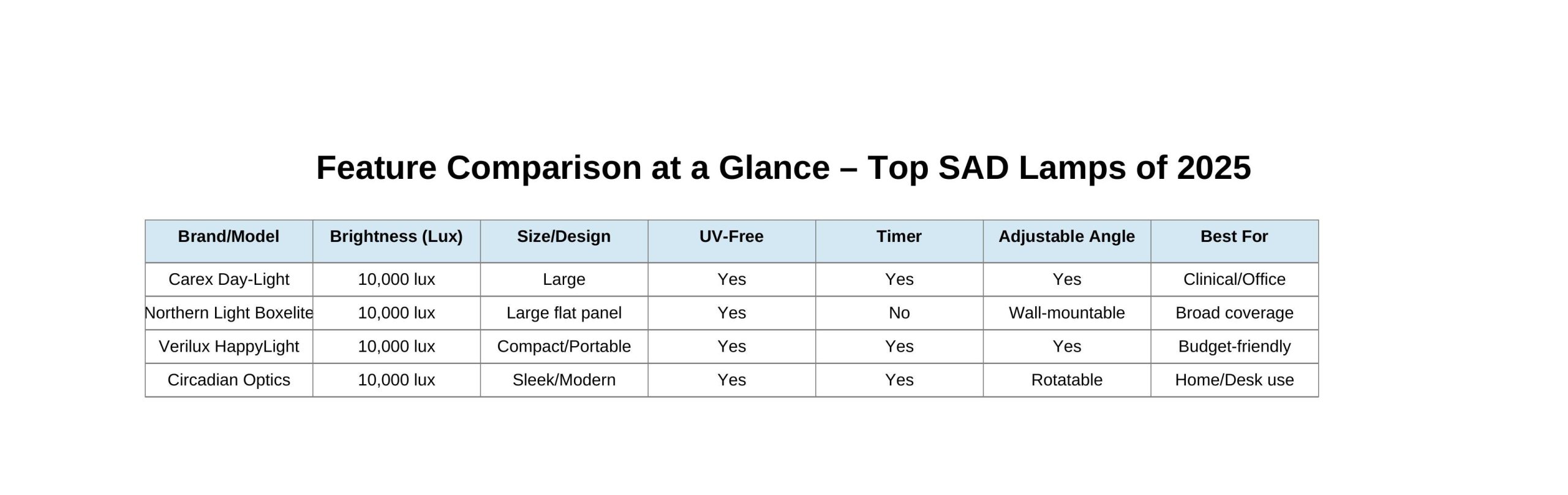
Not all mood lamps work for SAD. To be effective, your device must meet specific criteria. The gold standard in clinical studies is 10,000 lux output, which delivers sufficient light intensity in shorter sessions. Your lamp should emit full-spectrum or natural white light that mimics daylight without harmful UV rays. Always choose a device with a UV filter included to protect your eyes and skin. Fluorescent or LED models with proven clinical design are preferred, though fluorescent options have more research backing.
Avoid tanning beds, halogen lamps, or unfiltered sunlamps. These devices emit dangerous UV radiation and are not safe for light therapy.
Avoid Ineffective Designs
Many decorative or ambient lamps claim to help with SAD but fall short. Steer clear of wall-mounted units, lamps used beyond 2 feet, devices labeled under 5,000 lux, and products marketed as dawn simulators unless prescribed. A poorly positioned 5,000 lux lamp can deliver less than 1,000 lux to your eyes, which is equivalent to dim indoor lighting and will not help SAD symptoms.
Position the Lamp Within 2 Feet

Keep It Close for Full Effect
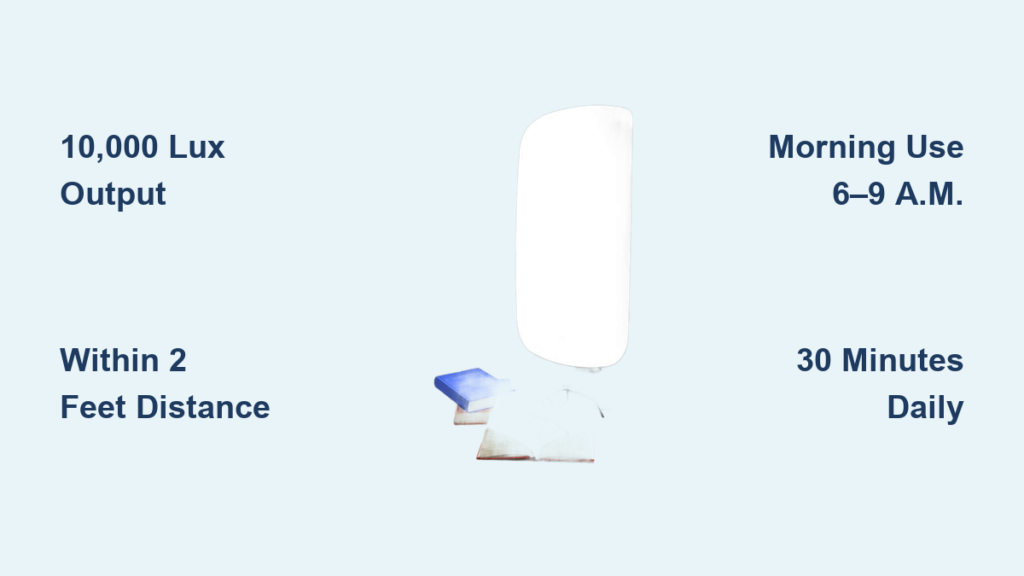
Distance matters more than you think. A 10,000 lux lamp only delivers that intensity at a specific range, usually 16 to 24 inches or 1.3 to 2 feet from your face. Light follows the inverse square law, meaning double the distance equals one-fourth the intensity. At 2 feet with a 10,000 lux lamp, you need about 30 minutes for an effective session. At 4 feet, the intensity drops to around 2,500 lux, requiring 2 or more hours for the same effect. Place your SAD lamp on a desk or table directly in front of you while working, eating, or reading.
Face It Straight On
Angle reduces effectiveness too. The cosine law shows that at 0 degrees or directly facing, 100 percent of light reaches your eyes. At 60 degrees or off to the side, only 50 percent gets through. Position the lamp so light shines directly into your face, not from above or beside you. Even slight turns reduce therapy quality.
Use It Every Morning at 6–9 a.m.
Start Right After Waking Up
Timing is critical. Use your SAD lamp within one hour of waking, ideally between 6:00 a.m. and 9:00 a.m. This helps regulate melatonin and cortisol, syncing your internal clock with the day. Morning light suppresses melatonin, the sleep hormone, and signals your brain that it is time to be alert, exactly what is missing in winter. Do not use in the evening unless directed by a doctor, as evening bright light can delay sleep and worsen mood.
Stick to a Daily Routine
Consistency beats perfection. Use your lamp at the same time each day, for the same duration, and at the same distance and position. Even skipping one day can slow progress, especially in the first two weeks.
Sit for 30 Minutes With Eyes Open
Do Not Stare, But Stay Focused Forward
You do not need to stare at the light. In fact, you should avoid looking directly at it to prevent eye strain. Instead, keep your eyes open, face forward, and engage in activities like reading, working, eating breakfast, or watching TV. As long as light enters your eyes indirectly from the front, therapy works. Never sleep with the lamp on, as closed eyes block nearly all therapeutic light.
Start With 30 Minutes Daily
For 10,000 lux lamps, begin with 30 minutes per day. Most people feel better in 3 to 7 days, with full improvement usually taking 2 to 4 weeks. If no change occurs after 10 to 14 days, try 45 to 60 minutes or move the lamp slightly closer without causing glare. Do not exceed 60 minutes without medical advice.
Follow the Six-Month Winter Schedule
Use From September to March
Most users benefit from a seasonal schedule aligned with reduced daylight. Start around September 21 and end around March 21. This covers the dark half of the year in the Northern Hemisphere. Some people stop earlier when days lengthen and symptoms fade. Others extend use into April if needed. Listen to your body, but do not wait for symptoms to return before restarting.
Adjust for Atypical SAD
A small number experience summer-pattern SAD, also known as reverse SAD, with depression in warmer months. These cases may require evening dim light or avoidance of morning light. If you feel worse in summer, consult a mood disorders specialist. Do not self-treat.
Watch for Side Effects and Adjust
Handle Headaches and Eye Strain
Common early side effects include headaches, eye fatigue, nausea, and irritability. These usually go away in a few days. If they persist, reduce time to 15 to 20 minutes, move the lamp 6 inches farther, ensure you are not staring at the light, and stay hydrated. Most side effects resolve with minor tweaks.
Stop If You Feel Overstimulated
Some report feeling wired, euphoric, or irritable, which are signs of overexposure or manic risk, especially in bipolar disorder. If this happens, stop using the lamp immediately and contact your doctor. Reintroduce later at half dose, such as 15 minutes, if approved. Never use light therapy if you have untreated bipolar disorder without medical supervision.
Know When to See a Doctor
Consult Before Starting If
You have bipolar disorder, have had manic or hypomanic episodes, have eye disease such as macular degeneration or diabetic retinopathy, or take photosensitizing drugs like lithium, St. Johns Wort, or certain antibiotics. Light therapy can trigger mania or worsen eye conditions in vulnerable individuals.
Get Professional Guidance
Even if you feel fine, talk to your primary care provider or a mental health specialist before starting. They can confirm SAD diagnosis, rule out other depression types, help tailor timing and dose, and monitor response and safety. University medical centers often have mood and sleep clinics specializing in light therapy.
Buy a Proven Model Under $70
Focus on Specs, Not Price
Effective SAD lamps are available on Amazon and health retailers for under 70 dollars. Cost does not guarantee quality. Look for 10,000 lux output, UV-free filter, medical-grade certification such as FDA-registered or clinically tested, and clear usage instructions. Top-rated brands include Verilux, Carex, and Northern Light Technologies, but always check the specs.
Skip the Gimmicks
Avoid lamps with no lux rating, mood boost claims without evidence, wall-mount or indirect designs, or built-in timers with no intensity data. Your lamp should be simple, bright, and front-facing.
Maximize Results With Daily Habits
Combine Light With Lifestyle
Light therapy works best when paired with healthy habits. Get morning natural light when possible, even on cloudy days. Exercise regularly, as it boosts serotonin and complements light. Maintain a consistent sleep schedule and eat balanced meals rich in vitamin D and omega-3s. These reinforce the biological effects of your SAD lamp.
Track Your Mood
Use a journal or app to record daily lamp use including time and duration, energy levels, mood changes, and sleep quality. This helps spot patterns and adjust treatment early.
Frequently Asked Questions About SAD Lamps
How long does it take for a SAD lamp to work?
Most users experience initial improvement within a few days. By two weeks, symptoms should show definite reduction. Full remission typically occurs within 3 to 4 weeks with consistent daily use.
Can I use my SAD lamp while working or reading?
Yes. You do not need to stare directly at the light. Keep your eyes open and face forward while engaging in activities like reading, working, eating breakfast, or watching TV. As long as light enters your eyes from the front, therapy remains effective.
What happens if I use a SAD lamp in the evening?
Evening use close to bedtime can suppress melatonin and make it harder to fall asleep. Unless directed by a doctor, stick to morning use between 6:00 a.m. and 9:00 a.m. to avoid disrupting your sleep cycle.
Are SAD lamps safe for everyone?
Most healthy adults can use SAD lamps safely. However, consult a doctor first if you have bipolar disorder, pre-existing eye conditions, or take photosensitizing medications. These factors can make light therapy risky or ineffective.
Do I need a prescription for a SAD lamp?
No, SAD lamps are available over-the-counter. However, getting a professional diagnosis ensures you are treating actual SAD and not another form of depression that requires different treatment.
How do I know if my SAD lamp is effective?
A proper 10,000 lux lamp placed within 2 feet of your face should produce noticeable improvements in mood and energy within 1 to 2 weeks. If you feel no change, check your distance, timing, and consistency. Consider increasing session length to 45 to 60 minutes.
Key Takeaways for Using Your SAD Lamp
Using a SAD lamp correctly can transform your winter experience by lifting mood, boosting energy, and restoring motivation. The key is consistency, correct positioning, and choosing a real therapy device. Remember to use a 10,000 lux lamp positioned within 2 feet of your face, aim for 30 minutes daily in the early morning between 6:00 and 9:00 a.m., and follow the seasonal schedule from September through March. Pair your light therapy with healthy habits like regular exercise, consistent sleep, and outdoor light exposure when possible. Always consult your doctor before starting, especially if you have mood disorders or eye conditions. Follow this guide, and give yourself the light your brain needs to thrive.