Newly hatched chicks cannot regulate their own body temperature, making proper heat lamp positioning critical for their survival and healthy development. The question of how far should a heat lamp be from chicks depends on several factors, but most 250-watt red heat lamps work best when positioned 12 to 18 inches above the brooder floor. This starting distance provides enough warmth without risking burns or overheating, though you will need to adjust based on your specific setup and the behavior of your chicks. In this guide, you will learn the exact starting distances, weekly adjustment schedules, safety precautions, and how to read chick behavior to create the perfect brooding environment.
Starting Distance: 12 to 18 Inches for 250-Watt Bulbs
For most standard brooder setups using a 250-watt red infrared bulb, begin with the heat lamp positioned 12 to 18 inches above the brooder floor. This range delivers sufficient radiant heat while preventing direct contact burns and overheating that can harm delicate chicks.
If your brooder sits indoors in a warm room at 70°F or higher, start at the higher end of the range at 18 inches. For cooler spaces such as garages, basements, or outdoor sheds that stay below 60°F, begin closer to 12 or 15 inches. Always use a clamp-style mount or adjustable chain so you can raise or lower the lamp easily as conditions change.
This distance guideline works well for standard-sized brooders up to 4 feet by 4 feet. Larger enclosures may require multiple heat lamps or mounting the single lamp higher, up to 24 inches, with overlapping warmth zones to ensure all chicks stay warm.
Why Red Bulbs Work Better Than White
Red heat lamps offer significant advantages over white bulbs when brooding chicks. The red light minimizes visibility of blood, which reduces stress, aggression, and the risk of pecking and cannibalism among the flock. Red bulbs also provide consistent radiant heat without disrupting natural sleep cycles as much as bright white light, helping chicks rest properly during their critical early growth period.
The uniform red glow also helps maintain even distribution of chicks under and around the warm zone, making it easier to monitor their behavior. However, ceramic heat emitters that produce no visible light are often better for long-term use, particularly after week two when chicks become more active and need less constant warmth.
Adjusting for Different Brooder Sizes
Small brooders under 4 square feet per chick heat up quickly because the space traps warmth efficiently. In these tight enclosures, use a 100-watt bulb instead of the standard 250-watt and mount the lamp higher at 18 to 24 inches to prevent dangerous hotspots. Monitor closely because chicks can overheat fast in confined spaces with inadequate ventilation.
Large brooders measuring 6 feet by 12 feet or bigger require multiple heat sources spaced evenly across the enclosure. One lamp simply cannot cover enough area to keep all chicks warm, leading to cold-stressed birds huddled under the single heat source while others overheat nearby. Mount lamps up to 24 inches high with overlapping warmth zones so every chick has access to adequate heat.
Weekly Temperature Adjustments by Chick Age

Chicks need progressively less heat each week as they grow feathers and develop the ability to regulate their own body temperature. Lower the brooder temperature by approximately 5°F (about 3°C) per week until the chicks are fully feathered and ready for ambient conditions.
| Week | Target Temperature (°F) | Target Temperature (°C) | Recommended Lamp Adjustment |
|---|---|---|---|
| 1 | 95°F | 35°C | Keep lamp at 12 to 18 inches. Ensure even heat coverage across the brooder floor. |
| 2 | 90°F | 32°C | Raise lamp 1 to 2 inches or switch to timer control to reduce constant heat. |
| 3 | 85°F | 29.5°C | Create a cooler side that allows chicks to self-regulate by moving away from heat. |
| 4 | 80°F | 26.5°C | Most chicks tolerate ambient daytime temperatures with supplemental heat only at night. |
| 5 | 75°F | 24°C | Remove lamp entirely if room temperature stays above 70°F consistently. |
| 6+ | 70°F or ambient | 21°C or ambient | Chicks are fully feathered and ready for outdoor integration if weather permits. |
By week five, most chicks no longer need supplemental heat unless nighttime temperatures remain unusually cold. By week six, fully feathered chicks can typically transition to standard coop conditions if outdoor weather permits.
How to Measure Temperature Accurately
Guessing the temperature leads to poor outcomes. Use proper tools to verify conditions before relying on behavior alone. Place a digital thermometer or infrared temperature gun at floor level directly under the center of the heat lamp. Take readings in the morning before adjusting anything because overnight temperatures can drop significantly and affect morning conditions.
Check multiple spots throughout the brooder including the center where heat concentrates, the edges where it cools, and areas near feeders and waterers. This comprehensive approach confirms you have created a proper temperature gradient rather than dangerous hotspots or cold zones.
In hot climates where daytime temperatures reach 90°F or higher, a 100-watt bulb may be sufficient even during week one. The smaller wattage provides just enough supplemental warmth to prevent chilling without adding dangerous heat to an already warm environment.
Watch Chick Behavior for the Best Guidance
Fixed measurements only provide a starting point. Chick behavior tells you everything about whether your heat lamp distance is correct. Learning to read these signals ensures your chicks stay comfortable and healthy throughout the brooding period.
Signs Your Heat Lamp Distance Is Correct
Chicks are comfortable when they move freely between warm and cool zones throughout the brooder. Some rest under the lamp while others eat, drink, or sleep outside the heated area. This even distribution across different temperature zones indicates proper setup. Soft, occasional peeping rather than constant loud chirping also signals contentment. Active, curious chicks that explore their environment demonstrate appropriate thermal conditions.
Signs Chicks Are Too Cold
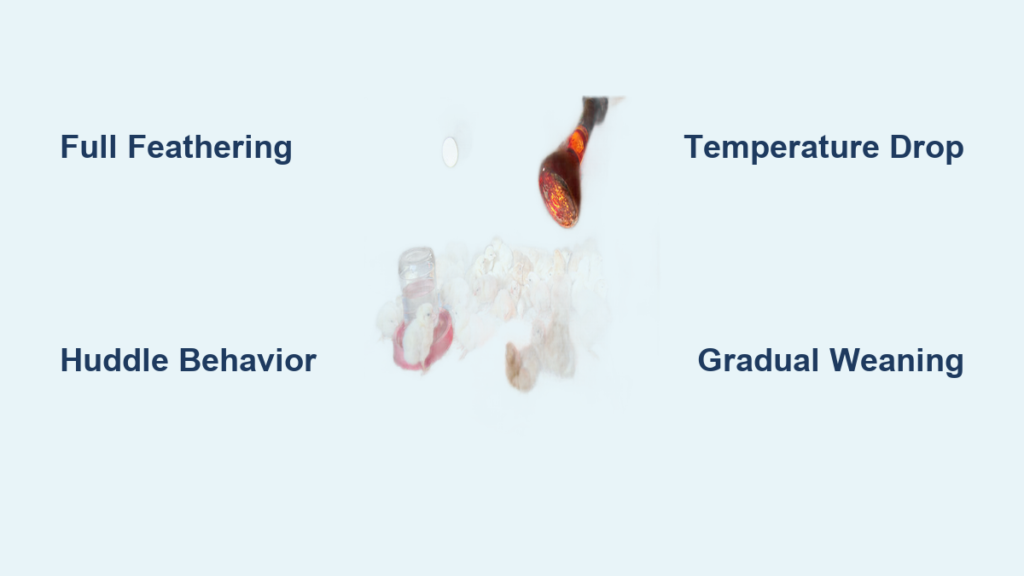
Cold chicks huddle tightly together directly under the lamp in a piled mass. Constant loud chirping indicates distress, and chicks rarely leave the heated area to eat or drink. If you see this behavior, lower the lamp by 1 to 2 inches or add a second heat source to increase overall warmth in the brooder.
Cold stress quickly leads to weakened immune systems and increased mortality, so addressing this issue immediately matters more than almost any other brooding adjustment.
Signs Chicks Are Too Hot
Overheating chicks crowd the outer edges of the brooder, deliberately avoiding the center where the lamp hangs. They lie flat on the ground with wings spread out in a panting posture. Excessive drinking paired with reduced eating indicates heat stress. Lethargic or drowsy appearance that differs from normal resting behavior also signals overheating.
To fix overheating, raise the lamp 2 to 3 inches higher or switch to a lower-wattage bulb such as 100 watts instead of 250 watts. The larger bulb is often overkill for smaller brooder setups, as noted by experienced poultry keepers.
Create a Proper Temperature Gradient
A heat gradient allows chicks to choose their ideal comfort zone rather than forcing them to endure uniform temperatures. This setup mimics natural conditions under a mother hen and supports healthy development.
Setting Up Temperature Zones
The warm zone directly under the lamp should start at 95°F during week one and decrease weekly following the temperature schedule. The cool zone on the opposite side of the brooder should be 10 to 15°F cooler than the warm zone. Ensure unobstructed paths between zones with no barriers blocking movement so chicks can move freely in either direction.
Place feeders and waterers in both zones so chicks do not risk crossing extreme heat to access food and water. This prevents dehydration and ensures consistent feeding even when chicks prefer to stay near the cooler area.
Why Gradients Prevent Problems
Without a cool escape zone, chicks overheat and become dehydrated, which drops appetite and slows growth. The risk of smothering increases dramatically when panicked chicks pile on top of each other in a frantic attempt to escape heat they cannot avoid. A properly designed gradient gives chicks control over their thermal environment and reduces overall stress on the flock.
Choose the Right Bulb and Fixture

Using incorrect bulbs or fixtures creates fire risks, inefficiency, and unnecessary stress for chicks. Selecting appropriate equipment protects your flock and ensures consistent heating performance.
Recommended Bulb Types
Red infrared bulbs at 250 watts reduce pecking and aggression while remaining affordable and widely available. White heat lamps provide bright light making chick monitoring easier but can disrupt sleep cycles and increase stress. Ceramic heat emitters at 100 to 150 watts produce no light, operate more safely, and last three to five times longer than bulbs though they cost more upfront. Radiant brooder plates such as the Brinsea EcoGlow mimic hen warmth with zero fire risk but require higher initial investment.
For best results, use ceramic sockets rated for high-wattage bulbs because plastic melts under sustained heat. Install a wire guard around the bulb to prevent direct contact with bedding material or curious chicks. Never use regular desk lamps or household fixtures that lack proper heat rating.
Proper Mounting Techniques
Use metal clamp lights or chain-hung reflector fixtures specifically designed for poultry brooding. Hang from ceiling or wall brackets and never drape heat lamps over the brooder where they can fall into bedding. Maintain at least 18 to 24 inches of clearance from flammable materials including pine shavings, paper, and wood surfaces.
A surprising number of brooder fires start from unsecured heat lamps that fall into bedding. Taking a few extra minutes to secure mounting properly prevents devastating losses.
Fire Safety Best Practices
Heat lamps cause dozens of barn and home fires every year. Protecting your flock and property requires consistent safety habits and proper equipment.
Essential Fire Prevention Rules
Never leave a heat lamp unattended overnight without someone monitoring the situation. Plug directly into wall outlets and avoid extension cords that can overheat under load. Use GFCI outlets to prevent electrical faults that could spark fires. Install a smoke detector within 10 feet of the brooder area and check it monthly to ensure proper function. Inspect all cords weekly for fraying, melting, or damage that could create fire hazards.
Safer Alternatives Worth Considering
Ceramic heat emitters carry low fire risk and work well for small to medium brooders. Radiant brooder plates such as EcoGlow products carry minimal fire risk and work at all brooding stages, particularly for newborn chicks. Heated pads placed under the brooder provide supplemental warmth only and carry medium fire risk if not monitored properly.
Many experienced poultry keepers switch to ceramic emitters or radiant brooder plates after their first season because the reduced fire risk provides valuable peace of mind.
Adapt Setup for Your Climate
Your geographic location and housing conditions significantly affect heat lamp placement and wattage requirements. Adjusting for your specific environment ensures chicks stay comfortable without excessive energy costs or dangerous overheating.
Cold Climate Adjustments
In regions where nighttime temperatures drop below 50°F, use a 250-watt bulb even when mounting the lamp at 24 inches high. Add insulation to brooder walls using foam boards or tarps to retain heat. Consider using double heat sources or a ceramic heat emitter as a backup for particularly cold nights. In unheated garages, ambient cold pulls heat away rapidly, so monitor chick behavior closely and be prepared to lower the lamp or add supplemental heat.
Warm Climate Adjustments
In warm climates where daytime temperatures reach 85°F or higher, a 100-watt bulb may provide sufficient heat even during week one. Start with the lamp positioned 18 to 24 inches above the brooder floor and provide plenty of shade and ventilation to prevent any possibility of overheating. Some southern poultry keepers raise chicks successfully with no heat lamp at all when daytime temperatures stay above 75°F and chicks have access to sheltered areas.
Transition to Safer Heating Methods Over Time
As chicks grow, transitioning to safer and more efficient heating methods reduces risks and often improves chick health and behavior.
Week Three and Beyond: Try Ceramic Heat Emitters
Ceramic heat emitters produce heat without light, which supports natural sleep cycles and reduces stress. The exterior stays cool to the touch, lowering burn and fire risks dramatically. These units last three to five times longer than traditional bulbs, making them more economical over time despite higher initial cost. Install ceramic emitters in the same fixtures but raise them slightly higher because they radiate heat differently than incandescent bulbs.
Week Four and Beyond: Consider Radiant Brooder Plates
Products like the Brinsea EcoGlow let chicks snuggle underneath just as they would under a mother hen. These plates auto-adjust as chicks grow, eliminating the need for weekly height adjustments. Radiant brooders can work in ambient temperatures down to 50°F, giving you flexibility in cooler brooding environments. Perhaps most importantly, they eliminate fire risk from open bulbs entirely.
Users consistently report higher survival rates and more natural chick behaviors when using radiant brooder plates compared to traditional heat lamps.
Final Checks Before Introducing Chicks
Before placing chicks in the brooder, run a complete test to ensure safe and appropriate conditions.
Set up the brooder with fresh bedding, feeders, and waterers. Install the heat lamp at 15 inches as your starting point. Turn the lamp on and let it run for 30 minutes, then measure temperature at floor level using a thermometer. Adjust the height until the center reading shows approximately 95°F. Confirm that the gradient is correct by checking that the brooder edge reads 80 to 85°F. Look for any hotspots where bedding shows scorching or smoking that would indicate dangerous heat concentration.
Only introduce chicks once temperatures remain stable and all safety checks pass. Making these adjustments before chicks arrive prevents emergency corrections later when small birds are already stressed from transport and new environments.
Frequently Asked Questions About Heat Lamp Distance for Chicks
At what height should a 250-watt heat lamp be placed above chicks?
Start with the lamp 12 to 18 inches above the brooder floor for a 250-watt red bulb. Adjust higher in warm rooms and lower in cold environments, then fine-tune based on chick behavior.
How do I know if my chicks are too cold or too hot?
Cold chicks huddle tightly together under the lamp with loud chirping. Hot chicks crowd the outer edges, pant with wings spread, and drink excessively. Both problems require lamp height adjustments.
When can I stop using a heat lamp for chicks?
Most chicks no longer need supplemental heat by week five if room temperature stays above 70°F. By week six, fully feathered chicks can typically handle ambient temperatures.
What is the best temperature for week-old chicks?
Week-old chicks need 95°F (35°C) at floor level under the heat lamp. Decrease the target temperature by 5°F each subsequent week until chicks are fully feathered.
Are ceramic heat emitters better than red heat lamps?
Ceramic heat emitters last longer, operate more safely, and do not disrupt sleep cycles. They cost more upfront but often prove more economical over time.
How close can a heat lamp be to bedding material?
Keep heat lamps at least 18 to 24 inches from any flammable materials including bedding. Use wire guards to prevent accidental contact even if the lamp shifts.
Key Takeaways for Setting Up Your Chick Heat Lamp
Proper heat lamp positioning directly impacts chick survival and healthy development. Start with the lamp 12 to 18 inches above the brooder floor, aiming for 95°F at chick level during week one. Watch chick behavior as your primary guide for adjustments rather than relying solely on measurements. Provide a temperature gradient so chicks can move between warm and cool zones freely. Prioritize fire safety with proper mounting, ceramic sockets, and never leave heat lamps unattended. Consider transitioning to ceramic heat emitters or radiant brooder plates after week three for safer, more efficient heating. By following these guidelines and adjusting based on your specific conditions, your chicks will grow strong, active, and healthy, ready for life outside the brooder by six weeks of age.