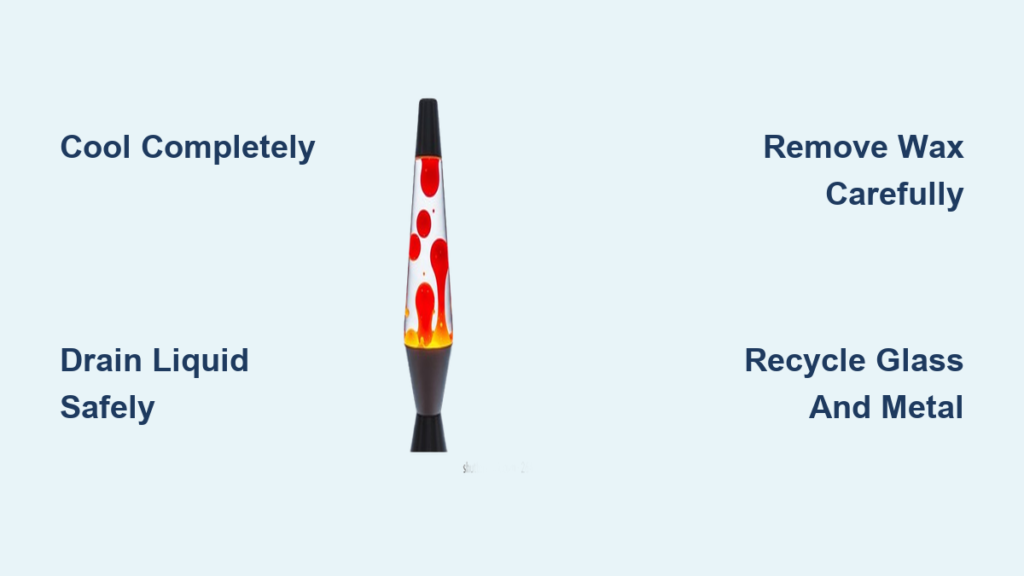
You’ve had your lava lamp for years, and maybe it’s stopped glowing like it used to, or you’re simply ready for something new. But before you toss it in the trash, there’s an important problem: lava lamps contain materials that can’t go in regular household waste. They mix glass, electrical parts, wax, and liquid that require special handling. Pouring the contents down the drain can clog your pipes, and throwing the whole lamp in the bin may violate local recycling rules.
The good news? Disposing of a lava lamp safely is straightforward when you know which components to separate and where each piece goes. This guide walks you through every step, from cooling the lamp to recycling each part responsibly. Whether your lamp is vintage or modern, working or broken, you’ll learn exactly how to dispose of it without harming your plumbing or the environment.
Why Lava Lamps Can’t Go in Regular Trash
Lava lamps are deceptively complex to dispose of because they combine several waste streams into one product. The glass vessel, electrical base, metal cap, liquid solution, and wax all require different disposal methods. Tossing an intact lamp into your curbside bin will likely result in it being rejected by recycling centers, and pouring the liquid down the sink can cause serious plumbing problems.
Even though modern lava lamp fluids are generally non-toxic, they contain wax or oil that solidifies in pipes and creates severe clogs. Manufacturer Mathmos explicitly warns against drain disposal despite confirming their liquids are safe. Additionally, older lamps (particularly those made before the 1970s) may contain carbon tetrachloride, a hazardous and potentially carcinogenic chemical. This means improper handling could expose you to toxic substances or create environmental hazards.
Essential Safety Steps Before Disposing of Your Lava Lamp

Before touching any part of the lamp, you must prioritize personal safety to prevent burns, cuts, or exposure to internal fluids.
Unplug the lamp immediately and allow it to cool completely for at least 4 to 6 hours. Lava lamps reach high temperatures during operation, and handling a warm unit risks thermal shock that can shatter the glass or cause burns. Never attempt to open, disassemble, or move a lamp that is still warm.
Work in a well-ventilated area with adequate lighting. Place protective coverings like newspaper or a towel beneath the lamp to catch any drips. Wear gloves to protect your hands from the liquid and any sharp edges if the glass is damaged.
Never place a lava lamp on a stove, near an open flame, or under direct sunlight to “melt the wax.” A documented incident involved a lava lamp exploding after being placed on a stovetop, resulting in fatal injuries. The explosion occurred because overheating caused internal pressure buildup from expanding liquid, not because the materials themselves are explosive.
Tools You Need to Properly Disassemble a Lava Lamp
Gathering your supplies before starting prevents mess and makes the process much smoother. You’ll need a sealable plastic container for storing the liquid, a plastic spoon or spatula to remove wax without scratching the glass, a bottle brush or sponge for cleaning, and sturdy gloves for protection.
Also prepare trash bags, newspaper for wrapping components, and a padded container (like a small box) for the light bulb. Having everything within reach means you won’t have to stop mid-process to hunt for supplies, which reduces the risk of spills or forgotten steps.
Removing and Disposing of the Light Bulb
The bulb is typically the first component to remove since it’s accessible from the base and poses the simplest disposal question.
Wait until the lamp is completely cool, then gently unscrew the bulb from the socket. Place it in a padded container or wrap it in newspaper to prevent breakage during handling.
Incandescent bulbs found in most older models can usually go in regular household trash in many areas, though some localities require recycling. Halogen bulbs in modern lamps may need special disposal due to heat-sensitive components. Check your local regulations, and when in doubt, take specialty bulbs to a household hazardous waste facility or a retailer with recycling programs.
Safely Draining the Liquid Without Clogging Pipes
This step is the most critical part of lava lamp disposal, and it’s where most people make mistakes. The liquid inside typically mixes water, dye, and either mineral oil or a glycerol-based solution. While modern formulations are non-toxic, the wax content makes drain disposal extremely dangerous.
Do not pour the liquid down any drain, including the kitchen sink or toilet. The wax solidifies when it cools and can create severe clogs, sewer backups, and costly plumbing repairs. Even small amounts can cause problems over time.
To drain the liquid properly, remove the metal cap from the top of the glass bottle if it’s removable. Tilt the lamp slowly over a sealable container and let gravity pull the liquid out. Avoid shaking or agitating the lamp, as this emulsifies the wax and liquid, making them harder to separate. Label the container clearly with “Lava Lamp Fluid” and store it securely until disposal.
If you have a vintage lamp (particularly those made before the 1970s) and are unsure of its contents, do not attempt to open or drain it. Some older models used carbon tetrachloride, a toxic chemical. Treat unknown vintage lamps as hazardous waste and take them to a household hazardous waste facility without opening them.
Extracting the Wax from Your Lava Lamp
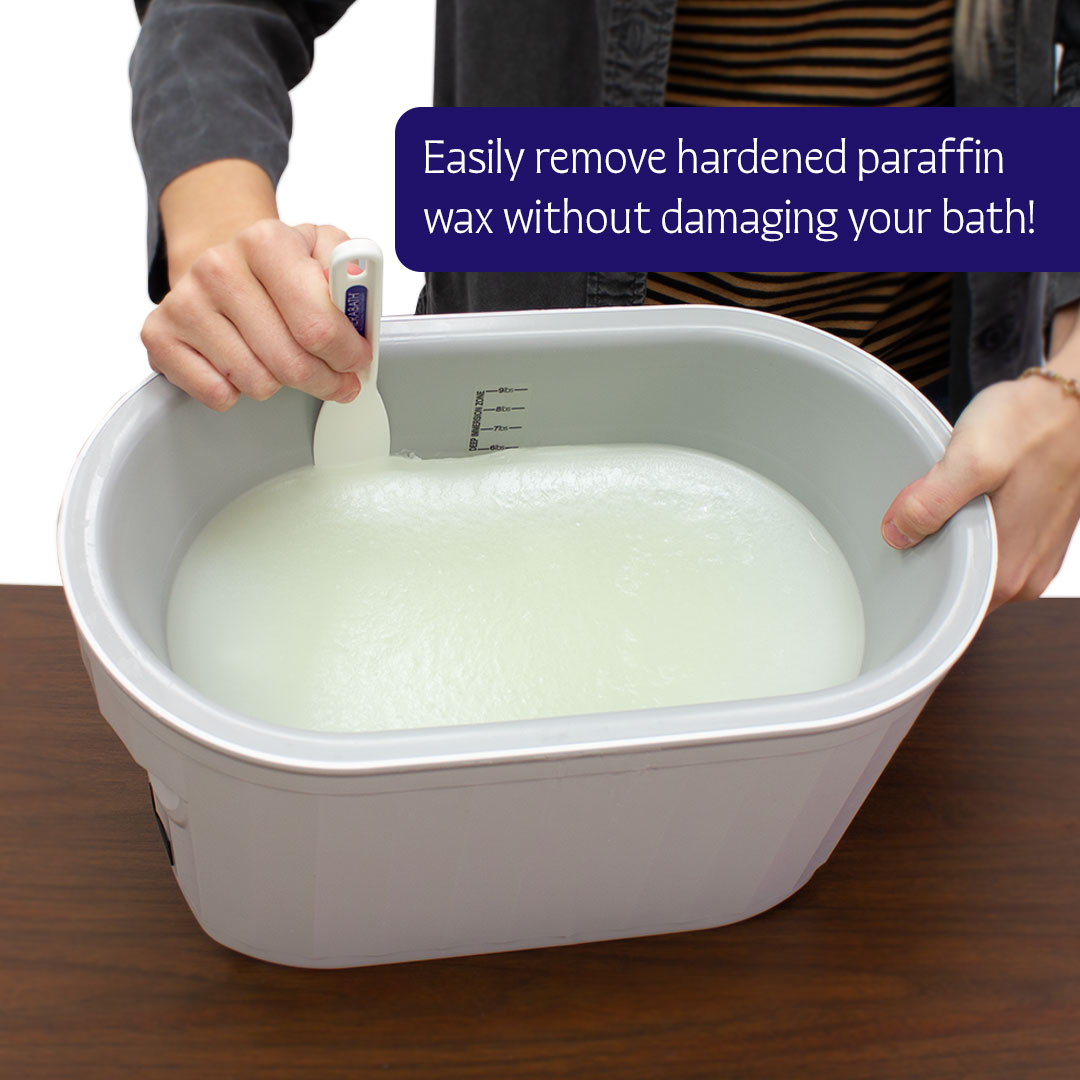
After draining the liquid, wax remains at the bottom of the glass vessel and must be removed before the bottle can be recycled or repurposed.
Use a plastic spoon or spatula to gently scoop out the wax chunks. Metal tools can scratch or crack the heat-resistant glass. If the wax is too soft to remove easily, let it harden by placing the lamp in a cool area for an hour or two.
Break the wax into smaller pieces for easier handling. Once removed, you have two options. The wax can be sealed in a plastic bag or wrapped in newspaper and placed in regular household trash. Alternatively, save it for creative reuse in DIY candle-making, art projects, or wax sculptures. Never flush wax down drains or pour melted wax anywhere it could re-solidify and cause blockages.
Cleaning and Recycling the Glass Bottle
With the internal components removed, the glass bottle can now be processed for recycling or creative reuse.
Rinse the bottle thoroughly with warm, soapy water. Use a bottle brush to scrub the interior and remove any remaining wax or dye residue. Rinse completely to ensure no soap film remains, then dry with a lint-free cloth or allow it to air dry completely.
Once clean, check whether your local recycling facility accepts glass containers. Remove any labels if required by your program. If recycling isn’t available in your area, consider upcycling the bottle as a decorative vase, pen holder, terrarium, or storage jar. Crafters and artists often welcome clean glass containers for projects.
Recycling Electrical Components and Metal Parts

The base of a lava lamp contains metal and electrical components that require separate handling from the glass.
The metal cap (usually aluminum or steel) can often go in your metal recycling bin alongside tin cans. Remove any plastic or rubber pieces first. The electrical components, including the cord, socket, and wiring, qualify as e-waste and should never go in curbside trash or recycling bins.
Take electrical parts to a municipal e-waste drop-off center, a retailer with take-back programs (like Best Buy or Staples), or a community recycling event. Even small electrical components contribute to landfill pollution, and the metal inside them is recoverable through proper e-waste processing.
Alternative Options: Donate, Sell, or Upcycle
Before dismantling a working lava lamp, consider whether donation or resale might be a better option. Functional lamps in good condition are sought after by thrift stores, vintage collectors, and retro decor enthusiasts.
Mathmos lamps and designer vintage models particularly interest collectors and can fetch good prices on platforms like eBay or Facebook Marketplace. Schools, community centers, and artists may also welcome donations for creative projects.
If the lamp is broken or you’re certain you want to dispose of it, upcycling the glass bottle into a decorative item gives it a second life and keeps it out of the waste stream entirely.
Following Manufacturer Disposal Guidelines
Different brands provide varying disposal recommendations, so checking the manufacturer’s guidance adds an extra layer of confidence.
Mathmos, a leading lava lamp brand, confirms their fluids are non-toxic and their lamps can be disposed of by removing the cap, pouring the liquid into an appropriate waste stream, and recycling the glass bottle. However, they strongly advise against pouring any liquid down drains due to wax content.
For other brands, visit the official website or contact customer service directly to inquire about disposal protocols. If you cannot identify the manufacturer, default to treating the lamp as potentially hazardous and use a household hazardous waste facility.
Debunking Common Lava Lamp Disposal Myths
Several misconceptions about lava lamp disposal lead to improper handling and potential problems.
The myth that lava lamps are explosive is partially true in a specific context. The materials themselves are not explosive, but overheating from external heat sources causes internal pressure buildup that can make the glass shatter violently. Never place a lamp near stoves, open flames, or intense heat.
The belief that the liquid is poisonous applies mainly to vintage models. Modern lamps use non-toxic dyes, water, glycerol, and paraffin-based wax. However, treating unknown vintage lamps as potentially hazardous remains the safest approach.
The idea that you can flush the liquid is completely false. Even safe liquids contain wax or oil that clogs pipes. Always dispose of liquid in sealed containers through appropriate waste channels.
Finally, the notion that you can recycle the whole lamp intact is incorrect. Mixed materials require separation, and most recycling centers reject intact lamps.
Complete Checklist for Safe Lava Lamp Disposal
Use this checklist to ensure you’ve handled every component properly.
Unplug the lamp and allow it to cool for at least 4 to 6 hours. Remove the bulb and dispose of it according to local regulations (trash or recycling). Take off the metal cap and set it aside for metal recycling. Drain the liquid into a sealed, labeled container and never pour it down any drain. Scoop out the wax with a plastic tool, then either trash it or save it for creative reuse. Clean the glass bottle thoroughly and recycle it or upcycle it into a new item. Separate the electrical base and dispose of it as e-waste at a designated drop-off point. Recycle metal parts with your regular metal recycling. If you’re ever unsure about any component, contact your local waste authority or take the item to a household hazardous waste facility.
Frequently Asked Questions About Disposing of a Lava Lamp
Can I throw away a lava lamp in my regular trash bin?
No. Lava lamps contain multiple waste types (glass, electrical components, liquid, and wax) that require separation. Most curbside programs won’t accept intact lamps, and the liquid can cause serious plumbing problems if the lamp is crushed in a waste truck.
Is the liquid inside a lava lamp toxic?
Most modern lamps use non-toxic formulas with water, dye, glycerol, and paraffin wax. However, vintage models (particularly pre-1970s) may contain carbon tetrachloride, which is hazardous. When in doubt, treat unknown liquids as potentially toxic and use hazardous waste disposal.
What happens if I pour lava lamp liquid down the drain?
The wax or oil content solidifies in pipes and causes severe clogs. Even small amounts can accumulate over time and lead to expensive plumbing repairs. Always drain liquid into a sealed container and dispose of it through appropriate channels.
Can I recycle a lava lamp without taking it apart?
No. Recycling facilities require materials to be separated. The glass, metal, electrical components, and liquid each go to different processing streams. Intact lamps are rejected at most recycling centers.
Where can I take a broken or leaking lava lamp?
Place all contents in a sealed container, label it clearly, and take the entire unit to a household hazardous waste facility. Many municipalities offer free drop-off locations for items containing unknown chemicals or mixed materials.
Key Takeaways for Responsible Lava Lamp Disposal
Disposing of a lava lamp properly requires separating its components and handling each one according to its material type. The most important rule is never to pour the liquid down any drain, regardless of how safe the contents claim to be. The wax content alone can cause severe plumbing damage.
Always cool the lamp completely before handling, and treat vintage or unknown models as potentially hazardous. When in doubt, contact your local waste management authority or use a household hazardous waste facility for safe processing.
Consider donation or resale before disposal, as working lamps have value to collectors and thrift stores. By following these steps, you protect your home, comply with local regulations, and minimize environmental impact.