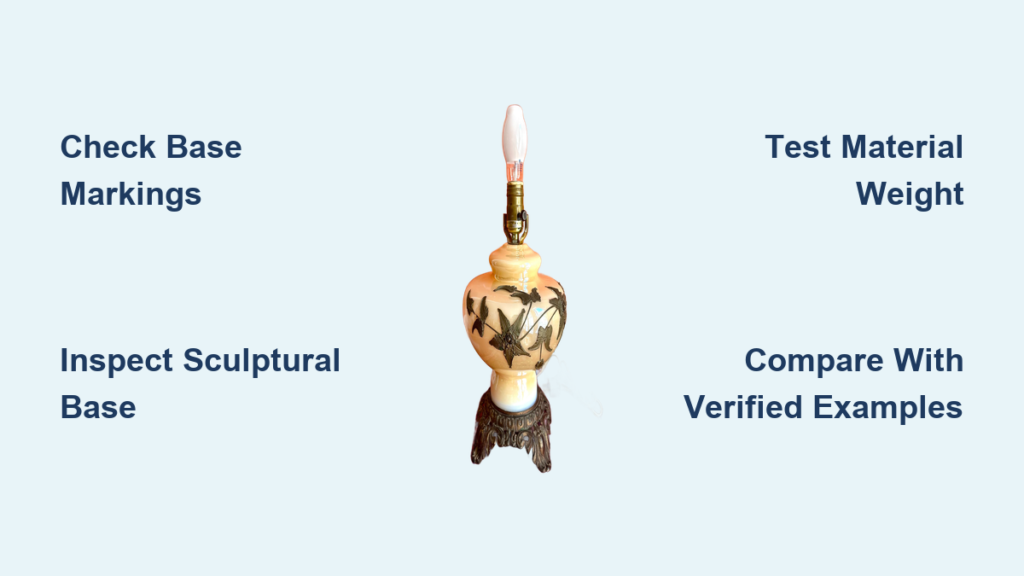
You’ve spotted a vintage lamp with an elegant sculpted base, perhaps a cherub or angel figure, and intricate metalwork. It feels substantial and artistic, with a presence that draws attention. Could it be a Falkenstein lamp? These mid-century lighting pieces are quietly coveted by collectors and interior designers alike, prized for their blend of European-inspired artistry and American craftsmanship. But unlike widely documented brands like Tiffany or Handel, Falkenstein lamps lack official catalogs or factory records, making identification a puzzle that hinges on subtle clues.
Authenticating a Falkenstein lamp is not about one single proof. It is a combination of markings, materials, design, and provenance. Many are unmarked, some are misattributed, and reproductions muddy the market. Yet with the right eye, you can distinguish a true vintage Falkenstein from a look-alike. This guide walks you through the definitive signs: where to look for markings, how to assess materials and craftsmanship, and what collector communities reveal about real versus replica.
Check for Falkenstein Markings
The most direct sign of authenticity is the word Falkenstein physically present on the lamp. Markings may be faint, worn, or inconsistent, so thorough inspection is essential.
Look for the Name on the Base
Inspect the underside of the base, the stem, or around the socket housing. The mark may be engraved into metal, stamped into a brass plate, or molded into ceramic or cast material. Use a flashlight and magnifying glass if needed. Focus on flat or recessed areas where a stamp would naturally sit.
Some common marking locations include:
• The bottom or side of the base
• The stem or neck of the lamp
• Around the socket collar
• On a brass plate affixed to the base
Understand Marking Inconsistencies
Not every genuine Falkenstein lamp is marked. One collector reported owning a matched pair where only one lamp bore the name, despite identical design, weight, and materials. This suggests inconsistent stamping practices or possible post-production removal of markings.
If your lamp lacks a visible signature, do not rule it out. Instead, shift focus to design and construction, which are key indicators when paper trails are absent.
Decode Numbered Tags or Codes
Some Falkenstein lamps include numbers alongside the name, such as “Falkenstein 12” or “F-8.” These may represent model numbers, production batch codes, or inventory identifiers. While no master list exists to decode them, consistent numbering across multiple verified pieces hints at an internal cataloging system.
Examine the Design Style
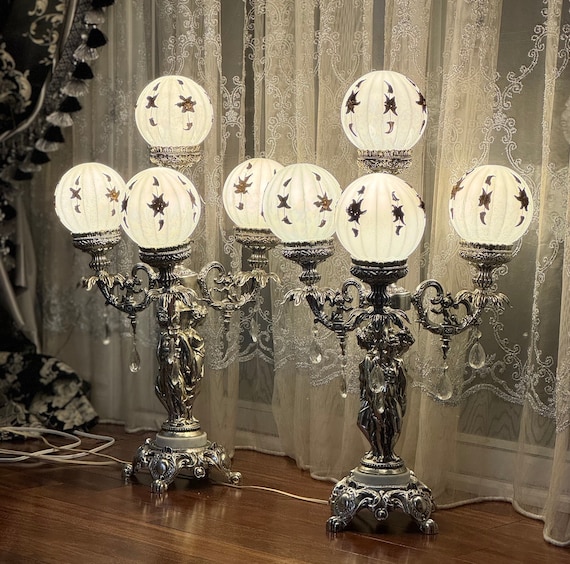
Design and aesthetic characteristics often provide the strongest clues when markings are absent. Falkenstein lamps have distinctive features that set them apart from generic vintage lighting.
Identify Figurative Sculptural Bases
Falkenstein lamps frequently feature sculpted figurative bases, a hallmark of their artistry. Look for cherubs or angelic figures, mythological or classical motifs, and human or animal forms in dynamic poses. These are typically three-dimensional, not flat reliefs, and often cast in ceramic, brass, or composite material.
The level of detail can indicate handcrafting. Pay attention to facial expression, drapery folds, and wing texture. Bases with European artistic influence, particularly Italian or French decorative styles, align with known Falkenstein aesthetics.
Assess the Lamp Top Design
The lamp top, where the shade attaches, is another signature element. Authentic Falkenstein models often have ornate metal harps or finials, decorative collar rings with scrollwork or floral patterns, and multi-tiered or tiered metal assemblies. Some tops are so distinctive they serve as primary identifiers, especially when the base is unmarked.
Compare your lamp’s top to known examples. If it matches a documented design, it strengthens the case for authenticity.
Recognize Mid-Century Silhouettes
Despite classical themes, Falkenstein lamps belong to the mid-20th century era. Their silhouettes balance elegance with streamlined proportion, avoiding the overly ornate feel of Victorian or Baroque lighting. Look for balanced height-to-base ratios, clean lines in the stem or shaft, and integration of modern electrical components with vintage design.
This blend of Old World artistry and mid-century modern sensibility sets Falkenstein apart from purely antique reproductions.
Evaluate Materials and Weight

Materials and construction quality provide tangible evidence of authenticity. Falkenstein lamps were built to last, using substantial materials that differentiate them from mass-produced imitations.
Test for Solid, Heavy Construction
A genuine Falkenstein lamp should feel substantial in hand. Lift it. Does it have weight? Authentic pieces use dense materials including cast ceramic bases with thick walls, solid brass or chrome-plated metal components, and composite resin-metal blends in sculpted sections.
If the lamp feels hollow, flimsy, or lightweight, it is likely a modern reproduction. Mass-produced imitations often use thin plastic or hollow casting to cut costs.
Identify Material Combinations
Falkenstein lamps frequently mix media. Common combinations include ceramic base with brass stem, chrome socket housing with ornate finial, and glazed sculptural figure paired with polished metal accents. This mixed-media approach enhances visual depth and was typical of small-batch or artisanal production.
Uniform plastic or painted metal finishes suggest lower quality and should raise suspicion.
Inspect for Hand-Finished Details
Look closely at surfaces. Authentic pieces may show slight asymmetry in sculpted features, tool marks or mold seams, and variations in glaze thickness or patina. These are not flaws. They are signs of handcrafting. Reproductions tend to be too perfect, with uniform textures and machine-smooth finishes.
Analyze Craftsmanship Quality
Craftsmanship reveals the difference between a genuine vintage piece and a reproduction. Attention to detail separates Falkenstein lamps from their imitations.
Confirm Stable, Secure Assembly
Wiggle the lamp. Does the base wobble? Do the stem and socket feel loose? Authentic Falkenstein lamps are well-balanced and firmly assembled. Check the base-to-stem joint, which should be tight with no movement. Verify socket mounting is secured with screws or rivets. Ensure harp attachment has a smooth, stable fit.
Poor alignment or creaking parts suggest amateur repair or inferior construction.
Inspect Electrical Components
Even if rewired, original design integrity should remain. Look for cloth-covered wiring common in original 1950s and 1960s builds, Bakelite or ceramic sockets with age-appropriate wear, and proper grounding in metal-bodied lamps.
Modern re-wiring is acceptable and often necessary, but it should be neat, code-compliant, and visually unobtrusive. Avoid lamps with exposed wires, mismatched plugs, or DIY fixes.
Spot Signs of Age and Patina
Authentic vintage lamps show honest wear, not damage. Acceptable signs include tarnished brass with natural oxidation, faint scratches on glazed surfaces, and faded or uneven patina on metal finishes. Avoid pieces with fresh paint over original finish, over-polished metal erasing age character, or cracked ceramic or broken sculptural elements.
Patina adds value. Do not confuse age with poor condition.
Compare with Known Examples
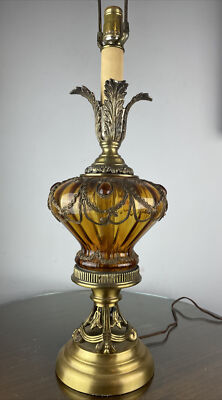
Visual comparison is one of the most effective tools for identification. Use collector databases and marketplace listings to verify your lamp against authenticated examples.
Search Collector Databases
Use visual comparison to verify your lamp. Reliable sources include Collectors Weekly for user-submitted photos, 1stDibs and Etsy for vintage listings with high-resolution images, and Instagram hashtags including #falkensteinalamp, #vintagefalkenstein, and #antiquelighting.
Focus on design consistency. Do multiple verified lamps share the same base type, top assembly, or finial style?
Study Matched Pair Variations
Remember that matched pairs may differ slightly. One may be marked while the other is not. One may have a darker patina. These variations support authenticity, reflecting handcrafted production rather than factory uniformity.
If your lamp matches a known design but lacks a mark, consider it plausibly authentic pending expert input.
Avoid Common Imitations
Reproductions often mimic the cherub base or ornate top but miss key details. Red flags include lightweight ceramic or plastic bases, stickered or printed Falkenstein labels that are not engraved, overly shiny chrome-plated finishes, and simplified sculptural details.
When in doubt, compare side-by-side with authenticated examples.
Consult Collector Communities
Collector communities are invaluable resources for identification, especially for obscure makers like Falkenstein. The collective knowledge far exceeds any single reference guide.
Post on Vintage Lighting Forums
Platforms like Collectors Weekly, Reddit’s r/Antiques, and Facebook collector groups are invaluable. When posting, include clear photos of the base, top, side, and any markings. Note dimensions, weight, and material observations. Mention where you acquired it, whether estate sale, thrift store, or inherited piece.
Experienced collectors often spot subtle clues like a specific finial style or casting seam that confirm authenticity.
Follow Instagram Curators
Vintage dealers on Instagram regularly feature Falkenstein lamps and share educational content. They emphasize training your eye to spot textural richness and historical nuance, recognizing authentic wear patterns versus artificial distressing, and understanding that better information beats better taste.
Follow these accounts to build visual literacy and stay updated on market trends.
Understand Historical Context
Knowing the historical context helps narrow down possibilities and avoid misattribution. Falkenstein lamps exist within a specific time frame and geographic context.
Know the Likely Production Era
Falkenstein lamps were most likely made in the 1950s or 1960s, based on electrical components, design trends, and collector consensus. While they evoke earlier European styles, their construction aligns with mid-century American manufacturing.
Lamps claiming 19th-century origins are almost certainly misidentified.
Consider Possible U.S. Origin
Evidence points to Pennsylvania as a possible production site. One collector noted local provenance and regional distribution patterns. However, no definitive factory records exist. The name Carl Falkenstein is often cited, but no verifiable biography or company history confirms his role. He may have been an artisan, designer, or brand name used by a larger workshop.
Recognize European Influences
Stylistically, Falkenstein lamps draw from Italian ceramic sculpture, French Empire lighting, and Austrian decorative arts. This fusion explains why they feel older than their actual age. The blend of American mid-century context with European motifs is a defining trait.
Preserve and Maintain Authenticity
Once you have identified your Falkenstein lamp, proper care preserves its value and ensures safety for years to come.
Clean Without Damaging
To care for your lamp, use a soft dry microfiber cloth for dusting. For ceramic, lightly dampen the cloth on non-glazed areas and dry immediately. Avoid chemical cleaners on brass or chrome. Never sand, strip, or repaint finishes. Patina is part of the history.
Re-Wire Safely, Not Stylistically
If updating electricals, hire a qualified antique lighting restorer. Retain original socket design if possible. Match wire type, such as cloth-covered, for authenticity. Safety is key, but preserve character.
Store in Stable Conditions
Keep your lamp in a dry climate-controlled space. Avoid areas with direct sunlight to prevent fading. Choose locations safe from bumps or vibrations. Avoid damp basements or hot attics. Moisture and temperature swings damage materials over time.
Frequently Asked Questions About Identifying Falkenstein Lamps
How can I tell if my lamp is a real Falkenstein?
Look for the Falkenstein name on the base, stem, or socket area. Check for substantial weight and quality materials like brass, ceramic, or chrome. Examine the design for figurative sculpted bases and ornate lamp tops. Compare against verified examples online. Absence of a mark does not automatically disqualify authenticity.
Why do some Falkenstein lamps not have markings?
Marking inconsistency was common in the production of these lamps. Some were never stamped, while others may have lost markings through wear or polishing. One documented pair showed a marked lamp alongside an unmarked identical piece. This variability is a known characteristic of Falkenstein production.
What materials are authentic Falkenstein lamps made from?
Authentic pieces commonly feature cast ceramic bases, solid brass hardware and finials, chrome-plated components, and composite materials in detailed sculptural sections. The weight should feel substantial, not lightweight or hollow.
Are Falkenstein lamps valuable?
Value depends on condition, completeness, and rarity. Unique sculptural examples with cherub bases or distinctive tops command higher prices. Presence of original markings also increases value. Comparable vintage artistic lamps typically sell in the $200 to $800 range.
How do I distinguish a Falkenstein from a reproduction?
Reproductions often feel lightweight due to plastic or hollow casting. They may have stickered or printed labels rather than engraved marks. Surface finishes appear too perfect without natural patina. Sculptural details lack the hand-finished nuance of authentic pieces. Compare side-by-side with verified examples when possible.
Where were Falkenstein lamps made?
Evidence suggests U.S. production, likely in Pennsylvania, during the 1950s or 1960s. Despite American manufacturing, the design draws heavily from European artistic traditions, particularly Italian, French, and Austrian decorative styles.
Key Takeaways for Identifying Your Falkenstein Lamp
Identifying a Falkenstein lamp requires a holistic approach combining physical inspection, historical context, and community knowledge. Start by examining all surfaces for the Falkenstein name or numbers, using magnification if needed. Evaluate the design for figurative sculptural bases and ornate lamp tops that blend classical themes with mid-century modern lines.
Assess materials for quality construction, including solid brass, ceramic, and chrome components. The weight should feel substantial, not lightweight. Look for hand-finished details like slight asymmetry and natural patina. Compare your lamp against verified examples on collector databases and social media. Post clear photos to collector communities for expert feedback.
Remember that unmarked pieces can still be authentic, and matched pairs may show variations. The absence of official records means collector wisdom and visual comparison are your best tools. When you find a true Falkenstein, you are not just acquiring a lamp. You are preserving a piece of mid-century craftsmanship that blends elegance, history, and soul into your living space.