Nothing ruins a beautifully styled room faster than a snaking floor lamp cord. Not only do exposed cords look messy, but they also create tripping hazards, collect dust, and tempt curious pets. If you’re wondering how to hide floor lamp cords without sacrificing safety or style, you’re not alone. Millions of homeowners and renters face this challenge, especially in open-concept spaces, rental apartments, or homes with floating furniture.
The good news? You don’t need to rewire your entire space. With clever tricks, affordable tools, and a few design hacks, you can conceal or camouflage your floor lamp cord in under an hour. Some methods take just minutes. Whether you’re staging a photo, living with pets, or aiming for a minimalist aesthetic, this guide delivers actionable strategies that actually work.
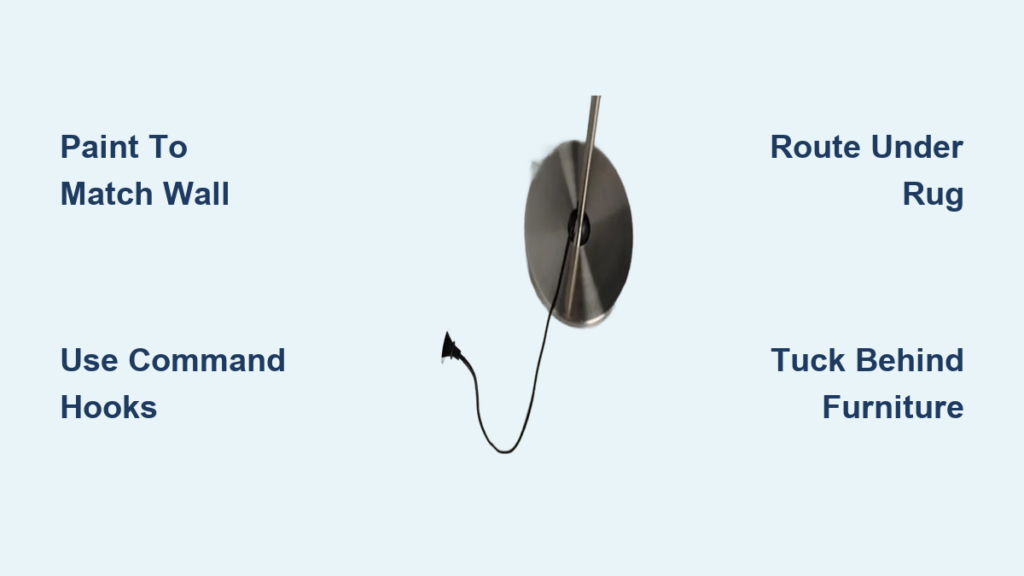
Paint Cords to Match Your Walls
One of the simplest ways to make cords disappear is to paint them the same color as your walls or baseboards. This technique works especially well for stationary lamps that stay in one place.
Choose the Right Paint
Use latex wall paint or flexible acrylic paint to coat the visible portion of your lamp cord. These paints bend with the cord and resist cracking. Avoid oil-based paints because they dry stiff and can flake off.
Only paint the exposed section running along baseboards or walls. Never paint plugs, outlets, or metal connectors. This is a fire hazard.
Pro Tip: Match the paint exactly to your wall or baseboard. A slightly off shade stands out more than an unpainted cord.
Apply in Thin Coats
Wrap the plug end in tape to protect it, then lay the cord flat on a drop cloth. Use a small foam brush to apply two thin coats, letting each dry completely for about two hours between coats. This prevents stiffness and ensures a smooth finish.
Best for stationary lamps in living rooms or bedrooms where the cord will not be moved daily.
Use Adhesive Clips and Command Hooks
Secure cords neatly along furniture legs or baseboards without any drilling. These solutions are perfect for renters because they remove cleanly without damaging walls.
Command Hooks for Furniture Legs
Stick clear 3M Command hooks to the back of side tables, sofa legs, or baseboards. Route the cord down the leg and into the outlet. The hooks hold firmly but remove cleanly, making them perfect for renters.
For best results, reverse the hook so the cord sits in the curve and does not slip. Choose hooks smaller than the table leg to avoid visibility.
Double-Sided Tape Along Baseboards
Use double-sided mounting tape or 3M adhesive strips to fasten cords flat against baseboards. This works best on smooth surfaces like painted wood or MDF.
Avoid high-traffic zones where feet might catch the cord. This method works well for temporary setups or photo shoots.
Renter-Friendly: Most adhesive tapes remove without leaving residue.
Route Cords Under Rugs Safely
Hide cords beneath flooring without risk when you use your rug strategically.
Use Loose-Weave Rugs
Opt for loosely woven jute, seagrass, or flatweave rugs. These allow cords to slide through the fibers with gentle wiggling. Plug in the lamp, then feed the cord under the rug toward the outlet.
Avoid thick, tight-pile rugs like shag or wool unless you cut a slit.
Cut Slits for Tight-Weave Rugs
For high-end or tight-knit rugs, cut a small slit just wide enough for the cord, not the plug. Feed the cord through, then reattach the plug on the other side.
After use, hand-stitch the slit closed or leave it if the rug stays in place.
Safety First: Only use this method for low-wattage devices like lamps or phone chargers. Never cover space heaters or high-draw appliances under rugs.
Install Cord Covers and Raceways

Create clean, professional-looking cord paths that blend with your trim.
Adhesive Cord Covers
Use paintable plastic raceways with adhesive backing. Stick them along baseboards, then snap the cord inside. Paint the cover to match your trim for total invisibility.
Available in white, clear, or wood finishes. Some models come with built-in cord channels for multiple wires.
Pro Tip: Match metal cord covers (brass, black bronze) to your lamp base or hardware. This integrates the cover into the design.
Screw-Mounted Raceways
For permanent setups, use screw-mounted raceways. These stay flatter and more secure than adhesive versions.
Best for homes, not rentals. May require patching when removed.
Tuck Cords Behind Furniture
Use existing pieces as natural barriers to hide cords from view.
Hide Behind Sofas and Cabinets
Place the floor lamp behind a sofa, chair, or entertainment unit. Run the cord along the baseboard or under the furniture.
Use furniture with built-in cord management. Many modern consoles have internal channels or back-panel cutouts.
Styling Trick: Arrange a potted plant or basket in front to block the cord from view.
Coil Excess Cord Neatly
For extra length, coil the cord behind the lamp base or under furniture. Secure with Velcro straps, clear hair elastics, or duct tape for temporary setups.
Avoid tight loops that can damage the wire.
Drill Holes in Furniture for Built-In Routing
Create a seamless, built-in look by routing cords through furniture itself.
Drill a Hole in a Side Table
Pick a wooden end table near the outlet. Drill a half-inch hole in the back, close to the floor. Feed the cord through and plug it in behind the furniture.
Add a rubber grommet to protect the cord and improve appearance.
Tools Needed: Drill, spade bit, sandpaper, optional grommet.
Warning: This method is not suitable for rented furniture or apartments.
Upgrade with Internal Routing
Some modern lamps and tables come with pre-drilled cord channels. When buying new furniture, look for built-in cord management or hidden outlet compartments.
Use Cordless Floor Lamps
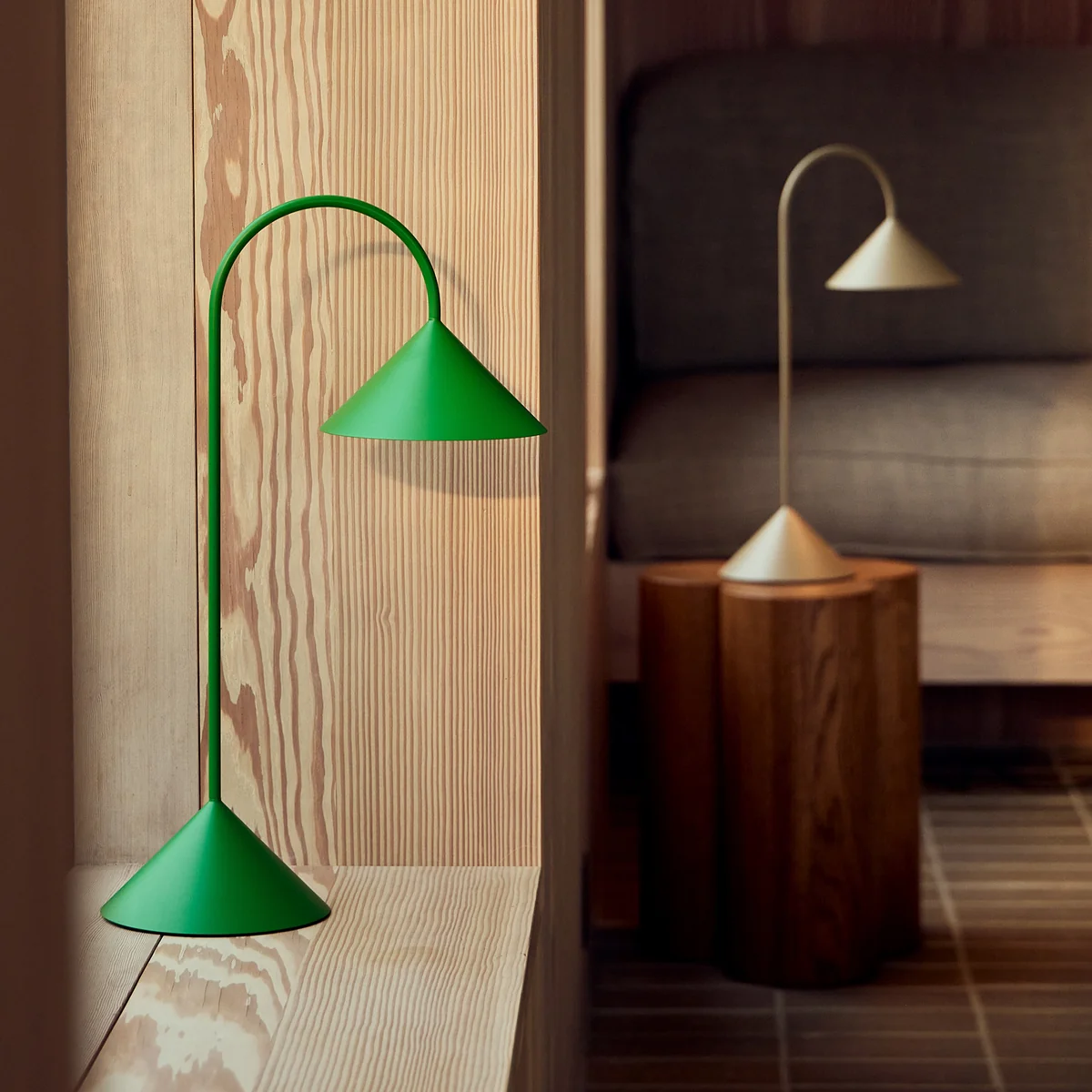
Eliminate cords entirely by switching to rechargeable options.
Rechargeable LED Floor Lamps
Choose a USB-C rechargeable floor lamp with eight to forty hours of runtime. Charge it overnight, then place it anywhere without needing an outlet.
Perfect for renters, minimalist spaces, or rooms with poor outlet access.
Best for Ambient Lighting: Cordless lamps work great for mood lighting, accent lamps, or bedroom nightstands. Most are not bright enough for reading or task lighting.
Charging Frequency
Expect to charge every two to four weeks with moderate use.
Camouflage with Decor and Smart Layout
Let your design do the hiding work by positioning items strategically.
Use Plants and Baskets
Place a large potted plant, woven basket, or stacked books over cord clusters. This is ideal for power strips or charging stations.
Advanced Trick: Remove the back of a nightstand drawer and route cords through the cavity. From the front, it looks completely normal.
Position Lamps in Corners
Place floor lamps in room corners or behind low seating. Cords run along two walls, minimizing visibility.
Avoid center-of-room setups unless using cordless or floor outlet solutions.
Run Cords Behind Artwork
Run the cord vertically behind a framed picture or mirror. Use adhesive clips on the back of the frame to hold it in place.
Hang the artwork to fully cover the cord path.
Follow Essential Safety Guidelines
Never sacrifice safety for style when concealing cords.
Avoid Fire Hazards
Never run cords inside walls without a junction box. This violates electrical code and creates a fire risk. Do not cover high-wattage cords like heaters or air conditioners under rugs or furniture. Keep plugs accessible for heat dissipation.
Inspect Regularly
Check cords monthly for fraying, kings, overheating, or pet damage. Use UL-listed extensions, raceways, and covers.
Protect Pets and Kids
Cats and dogs chew cords. Use spiral cord protectors, bitter-tasting sprays, or elevated routing behind furniture to keep cords out of reach.
Renters: No-Drill Solutions That Work
Hide cords without damaging your rental property.
Top Renter-Friendly Methods
• Command Hooks: Clear adhesive hooks, removable, low visibility
• Under-Rug Routing: Electrical tape secures cord, hidden completely
• Painted Cords: Paint matches wall, removable
• Decor Hiding: Plants and baskets, completely reversible
• Adhesive Raceways: Cord cover with paint, removable
Best Combo: Use Command hooks plus under-rug routing plus painted cord for near-invisibility.
Frequently Asked Questions About Hiding Floor Lamp Cords
Can I paint my floor lamp cord to match my wall?
Yes, you can paint cord using latex or acrylic paint. Apply two thin coats with a small foam brush, letting each dry completely. Never paint the plug or metal connectors. This method works best for stationary cords that run along baseboards or walls.
Is it safe to run a lamp cord under a rug?
Yes, but only for low-wattage devices like lamps and phone chargers. Never cover high-wattage appliances like space heaters under rugs. Secure the cord every twelve to eighteen inches with electrical tape to prevent shifting or tripping.
What is the easiest way to hide cords in a rental apartment?
Command hooks, under-rug routing, and decor hiding are the best renter-friendly options. These methods require no drilling, leave no damage, and remove cleanly when you move out.
How do I hide cords from pets?
Use cord protectors like spiral plastic wrap, apply bitter-tasting sprays, or route cords behind furniture and inside furniture channels. Elevating cords out of reach is the most effective solution for homes with curious pets.
Do cordless floor lamps work well for everyday use?
Cordless lamps work well for ambient and accent lighting but are generally not bright enough for reading or task lighting. They need charging every two to four weeks depending on use.
Can I hide cords behind my furniture without drilling?
Yes. Use Command hooks on furniture legs, tuck cords along baseboards, or route them under furniture. For excess cord length, coil it neatly and secure with Velcro straps or hair elastics.
Key Takeaways for Hiding Floor Lamp Cords
The goal is practical concealment, not magazine-perfect results. Even professional designers use tape, paint, and strategic positioning to minimize cord visibility in real homes. Start with the simplest solutions that match your situation, then layer methods as needed.
For most spaces, the best approach combines multiple techniques. Use Command hooks to route cords along furniture legs, hide excess length under rugs, and paint visible segments to match your walls. For rentals, stick to adhesive solutions and decor-based hiding. For homeowners, consider drilling holes in furniture or installing cord covers for a permanent, polished look.
Always prioritize safety over aesthetics. Never cover plugs, avoid high-wattage cords under rugs, and inspect your cords regularly for damage. With the right mix of paint, clips, routing, and decor, your floor lamp cord can disappear or even become part of your style story.