If your mood drops every fall and winter, leaving you feeling tired, irritable, or unmotivated, you may be experiencing Seasonal Affective Disorder (SAD). This condition affects millions of people when daylight hours shrink, disrupting your internal clock and reducing serotonin production. Learning how to use a seasonal depression lamp properly can help you reclaim your energy and mood without medication. These specially designed light boxes emit therapeutic brightness that mimics natural sunlight, helping your brain reset its circadian rhythm.
This guide walks you through selecting the right device, positioning it correctly, timing your sessions, and combining light therapy with other healthy habits. When used correctly, many people notice improvements within just a few days, with full relief typically appearing within two weeks.
Choose the Right SAD Lamp
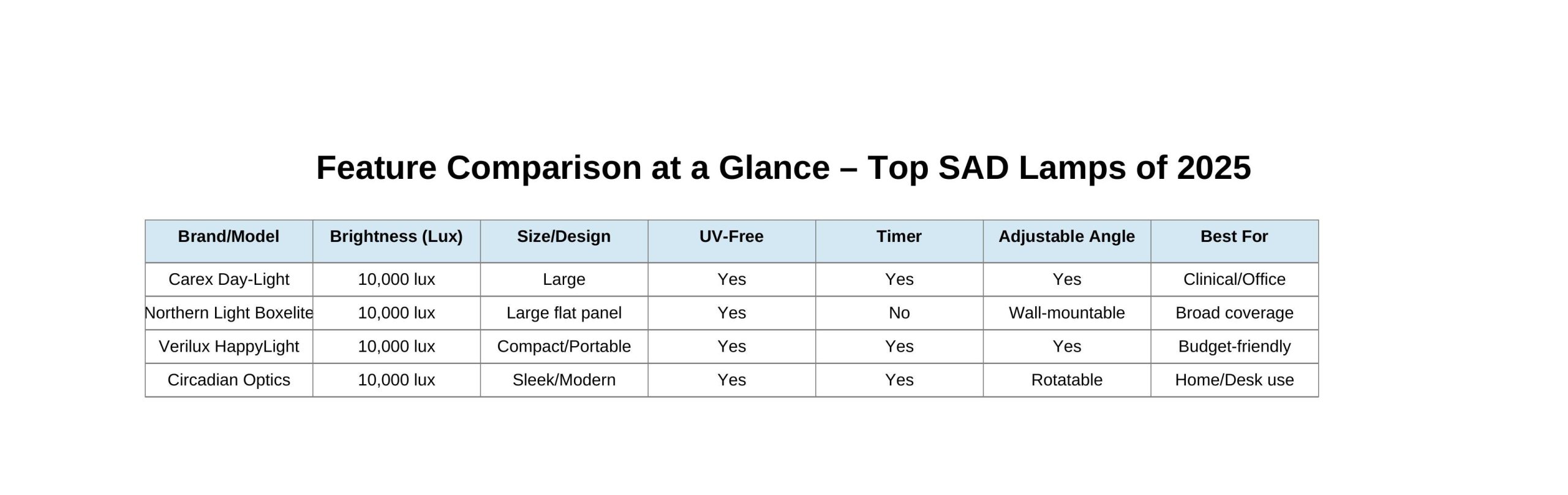
Not all bright lamps deliver therapeutic benefits. Your light box must meet clinical standards to effectively treat seasonal depression.
Verify 10,000 Lux Intensity
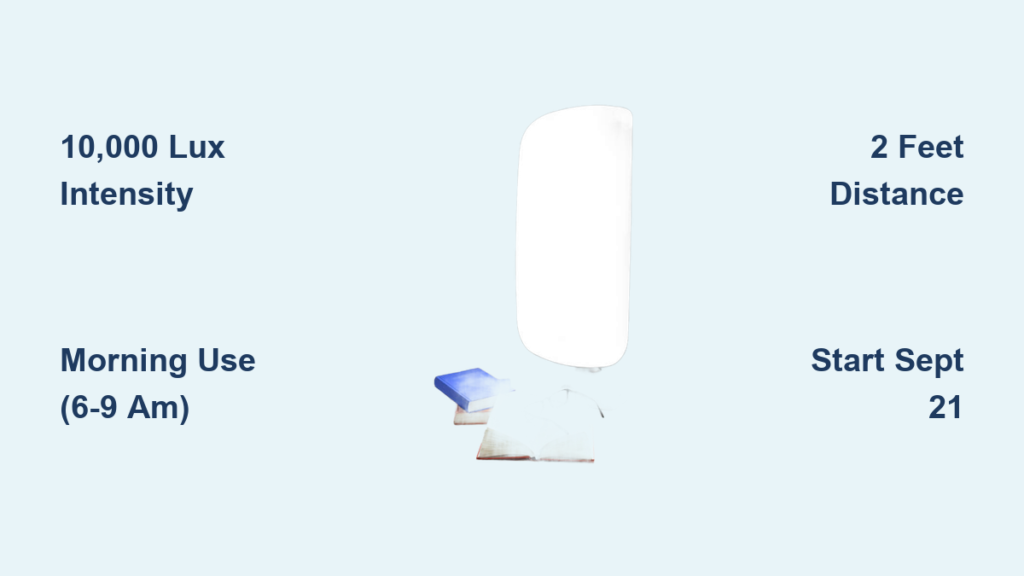
Select a lamp rated at 10,000 lux. This is the gold standard for light therapy. At this intensity, you need only 30 minutes of daily exposure. Lower lux ratings require much longer sessions. A 5,000 lux device needs 45 to 60 minutes, while a 2,500 lux lamp demands one to two hours. Check the product specifications for the lux rating. If it is not clearly listed, the device likely does not meet therapeutic standards.
Confirm Full-Spectrum Light with UV Protection
Your lamp should emit full-spectrum or natural-spectrum light that closely resembles daylight. Cool-white fluorescent lights work well and are commonly used. More expensive full-spectrum options are also effective, but price does not guarantee better results. Most importantly, ensure your device has a built-in UV filter. Never use tanning beds, sunlamps, or halogen lights for light therapy. These emit harmful ultraviolet radiation that can damage your eyes and skin. Always verify UV protection before purchasing.
Stick with Proven Technology
While dawn simulators, light visors, and LED panels are marketed for SAD, traditional fluorescent 10,000 lux light boxes have the strongest clinical evidence. Stick with proven technology unless your healthcare provider recommends otherwise.
Set the Correct Time and Duration
When you use your lamp matters as much as the device itself. Incorrect timing can disrupt your sleep instead of improving your mood.
Use First Thing in the Morning
The best time to use your SAD lamp is between 6:00 a.m. and 9:00 a.m., right after waking. Morning light exposure helps synchronize your internal clock, suppresses melatonin, and promotes daytime alertness. Start your session within an hour of getting up. Earlier use typically produces better results for most people.
Begin with 30 Minutes Daily
For a 10,000 lux lamp, start with 30 minutes per day. If you notice no improvement after 10 to 14 days, increase to 45 to 60 minutes. Do not exceed 60 minutes daily without medical advice. Split sessions throughout the day are less effective than one consistent morning session.
Avoid Evening Use
Never use your lamp after 5:00 p.m. Evening light exposure interferes with melatonin release, making it harder to fall asleep. If you must adjust timing, try midday use instead. Never use the lamp close to bedtime.
Position the Lamp Correctly

Proper placement determines whether your brain receives enough therapeutic light. Many people place their lamps too far away, rendering treatment ineffective.
Sit Within 2 Feet of the Lamp
Keep the light box no more than 24 inches from your face. Light intensity drops dramatically with distance due to the inverse square law. At 4 feet, intensity falls to just 25 percent of what it is at 2 feet. This means you would need four times the exposure time, turning a 30-minute session into two hours. Place the lamp on a desk, table, or shelf at eye level or slightly above.
Face the Light Without Staring
Your eyes must be open, but never look directly at the lamp. Simply face forward and engage in normal activities. You can read, eat breakfast, work on your laptop, or watch television while facing the light. The light should enter your eyes indirectly. Occasional glances at the lamp cause no harm, but staring can cause discomfort or eye strain.
Maintain a Direct Angle
Position the lamp so it shines straight ahead, not off to the side. At 60 degrees off-center, effective intensity drops by 50 percent. Combine poor angle with increased distance, and therapy becomes nearly useless. A 0 to 30 degree angle from center is acceptable, but straight-on positioning delivers maximum benefit.
Follow a Seasonal Schedule
Light therapy is not a year-round treatment. Use it only during the low-sunlight months when your symptoms typically appear.
Start Around September 21
Begin daily use around the autumnal equinox (September 21 to 23), when days start getting significantly shorter. Starting early can prevent symptoms from developing in the first place. Some people in northern latitudes may need to begin earlier, especially if symptoms appear in early fall.
Stop Around March 21
End treatment around the vernal equinox (March 21 to 23), when daylight increases and natural sunlight becomes sufficient. Gradually reduce usage over one to two weeks. For example, drop from 30 minutes to 15 minutes before stopping completely. This prevents sudden mood shifts.
Adjust Based on Symptoms
These dates are general guidelines. If symptoms return in spring or linger into summer, consult a doctor. This is especially important if you have atypical SAD, which follows a summer-pattern or reverse pattern.
Monitor Results and Adjust
Most people respond quickly to light therapy. If you do not, small adjustments can make a big difference.
Expect Improvement in Days
Within 2 to 4 days, many people notice better mood, more energy, and improved focus. By 2 weeks, significant or full symptom relief is typical for most users. If no change occurs after 10 to 14 days, reassess your routine.
Troubleshoot Poor Response
Common reasons for ineffective treatment include the lamp being too far away, using it too late in the day, incorrect intensity below 10,000 lux, or inconsistent timing. Try adjusting one factor at a time. First, move closer to the lamp. Second, use it earlier in the morning. Third, increase duration to 45 to 60 minutes. Wait at least two weeks before making another change.
Handle Overstimulation
Some users feel overly energetic, irritable, or “wired.” These signs suggest overexposure or incorrect timing. Stop immediately and shorten your session to 15 minutes, sit farther from the lamp, or shift to midday use. Never use it in the evening. Contact your healthcare provider if symptoms persist.
Know the Risks and Precautions
Light therapy is generally safe, but certain conditions require medical guidance before starting.
Consult a Doctor If You Have Bipolar Disorder
Light therapy can trigger manic or hypomanic episodes in people with bipolar disorder. Always get approval from a psychiatrist before starting treatment. Never self-treat mood changes with a SAD lamp if you have this condition.
Check With Your Eye Doctor If You Have Eye Disease
Certain eye conditions may be worsened by bright light. These include macular degeneration, diabetic retinopathy, and retinitis pigmentosa. Get clearance from an ophthalmologist before using a SAD lamp, especially if you are over 50 or have diabetes.
Long-Term Eye Safety
Properly designed 10,000 lux lamps with UV filters do not harm healthy eyes under normal use. No harmful effects have been reported. However, long-term safety data beyond several years is limited. Have regular eye exams if using light therapy long-term.
Manage Mild Side Effects
Most side effects are temporary and easy to resolve.
Headaches and Eye Strain
These symptoms are common in the first few days. To reduce them, sit farther away temporarily (about 30 inches), take breaks during your session, stay hydrated, and ensure room lighting is balanced. Do not use the lamp in a completely dark room. Symptoms usually fade within a week.
Nausea or Dizziness
Rare but possible. Try shortening your session time, using the lamp after eating rather than on an empty stomach, or lowering the lamp angle slightly. If symptoms continue, stop use and consult a doctor.
Combine With Other Healthy Habits
Light therapy works best as part of a broader wellness plan.
Get Morning Sunlight
An early morning walk outdoors, even on cloudy days, can deliver up to 10,000 lux naturally. Combine it with exercise for a double mood boost. Aim for 30 minutes of outdoor activity shortly after waking. Outdoor light exposure also boosts endorphin levels, natural brain chemicals that enhance mood.
Stick to a Sleep Routine
Go to bed and wake up at the same time every day, even on weekends. Consistency strengthens circadian rhythms and improves treatment response. An ideal schedule is 11:00 p.m. to 7:00 a.m.
Eat Well and Stay Active
Support your brain health with a balanced diet rich in omega-3s, whole grains, and vegetables. Regular physical activity, even 20-minute walks, helps significantly. Add mindfulness, meditation, or breathing exercises to reduce stress. These habits amplify the benefits of light therapy.
Key Takeaways for Using Your Seasonal Depression Lamp

Using a SAD lamp effectively comes down to five critical factors. First, choose a device with 10,000 lux intensity, full-spectrum light, and built-in UV protection. Second, use it first thing in the morning between 6:00 a.m. and 9:00 a.m. Third, sit no more than 24 inches from the lamp, facing it directly with your eyes open but not staring. Fourth, start around September 21 and stop around March 21. Fifth, combine therapy with morning sunlight, consistent sleep, exercise, and healthy eating.
When done correctly, light therapy is a fast-acting, non-drug solution backed by science. Most people feel improvements within days. Avoid common errors like poor placement, inconsistent timing, or using the wrong device. Always consult a healthcare provider if you have bipolar disorder or eye conditions before starting treatment.
Frequently Asked Questions About Using a Seasonal Depression Lamp
How long does it take for a SAD lamp to work?
Most people notice improvements within 2 to 4 days of consistent daily use. Significant or full symptom relief typically appears within two weeks. If you see no change after 10 to 14 days, try adjusting the distance, timing, or duration.
Can I use a SAD lamp while reading or working?
Yes. Keep your eyes open and face the lamp while engaging in normal activities like reading, eating breakfast, working on a laptop, or watching television. Do not stare directly at the light source.
Is it safe to use a SAD lamp every day?
Yes, for most adults. Using a 10,000 lux lamp for 30 minutes daily is considered safe for healthy individuals. Do not exceed 60 minutes without medical advice. People with bipolar disorder or certain eye conditions should consult a doctor first.
What happens if I use a SAD lamp in the evening?
Evening use can suppress melatonin production, making it harder to fall asleep. Avoid using your lamp after 5:00 p.m. If you must adjust timing, try midday instead of evening.
Do I need special glasses to use a SAD lamp?
No. You do not need special glasses. Simply keep your eyes open and face the lamp without staring directly at it. The light enters your eyes indirectly during normal activities.
Can I stop using my SAD lamp in the spring?
Yes. Gradually reduce usage as daylight increases, typically around March 21. Taper by lowering session time over one to two weeks before stopping completely. This prevents sudden mood shifts.