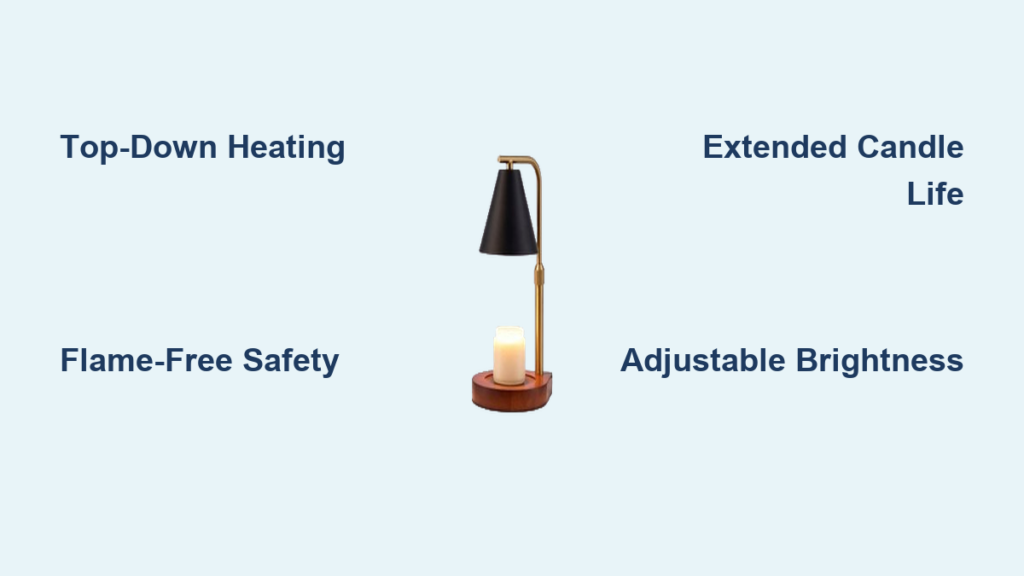
If you have ever wondered how a candle warmer lamp releases fragrance without a flame, the answer lies in its simple yet effective top-down heating system. A candle warmer lamp uses an electric bulb, typically halogen or incandescent, to gently melt the surface of a scented candle, releasing its embedded fragrance oils through evaporation. Unlike traditional candles that burn wax and wick, these lamps liquefy wax from the top down, offering a safer, cleaner, and longer-lasting way to enjoy your favorite scents.
This flameless method eliminates soot, smoke, and fire risks, making it ideal for homes with children, pets, or strict no-open-flame rules. The device doubles as ambient lighting, combining function with decor. Within 15 to 60 minutes of turning it on, you will notice a steady scent throw as the wax forms a melt pool. Users report their candles lasting 3 to 5 times longer than when burned conventionally.
Top-Down Heating Mechanism Explained
Candle warmer lamps rely on directed heat from above to release scent without combustion. The core function of a candle warmer lamp is top-down warming: heat radiates downward from a bulb positioned in the lamp head, targeting only the upper layer of wax.
How Heat Melts Wax Gradually
As infrared energy from the bulb reaches the candle surface, it raises the temperature to between 120°F and 160°F (49°C to 71°C), enough to liquefy wax but not ignite it. This slow, controlled melting creates a consistent melt pool on the surface while leaving deeper layers intact. Once the top layer no longer emits fragrance, it can be scooped out or cooled, allowing the next layer to be warmed later.
The key benefits of this approach include targeted melting that preserves unused wax, better scent control so you can pause and resume fragrance release, less thermal stress on containers that reduces risk of glass cracking, and improved aesthetics as the lamp design doubles as decorative lighting.
Why Top-Down Beats Bottom-Up Warmers
Compared to bottom-up warmers like hot plates, top-down lamps offer unique advantages for jar candles where heat penetration from below might be blocked by thick glass or insulation.
Heat Source and Bulb Types
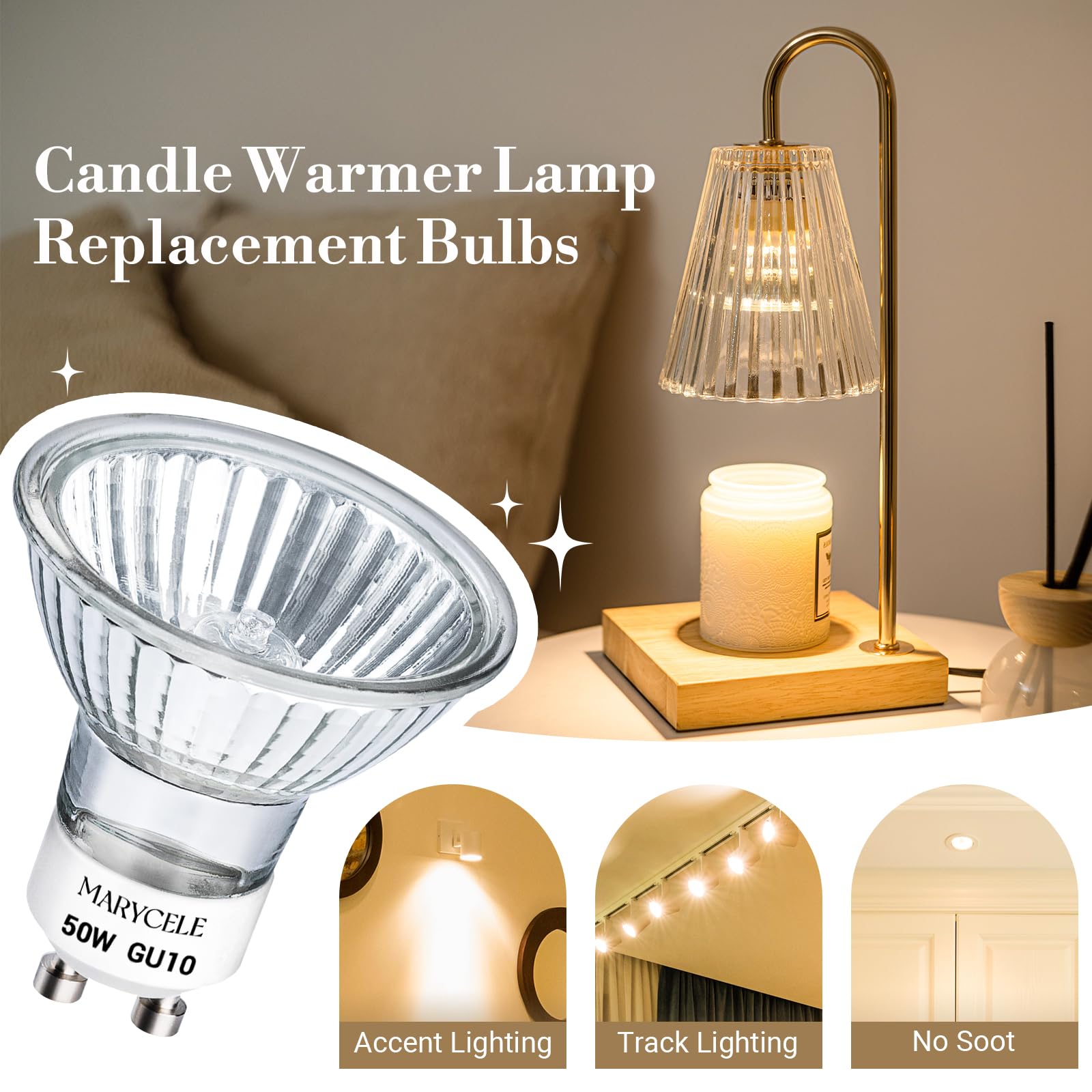
The bulb is the engine of any candle warmer lamp. Its type and wattage determine performance.
Common Bulb Technologies Used
Several bulb technologies power these devices. Halogen bulbs are the most widely used and deliver focused heat and bright, warm light while being efficient and durable for daily use. Incandescent bulbs are an older style that is less energy-efficient but still functional for basic models. Infrared bulbs are designed to emit more heat than light and are found in high-performance warmers. LED-compatible heating bulbs are an emerging technology that must generate sufficient heat to melt wax, which standard LEDs cannot do.
Wattage and Base Specifications
Standard wattage ranges from 25W to 50W, with 30W to 40W being optimal. Below 25W may fail to melt wax effectively, while above 50W risks overheating especially with soy or coconut wax. Bulb bases include GU10 common in modern adjustable models and E12 (candelabra) found in vintage-style or decorative lamps.
Signs It Is Time to Replace the Bulb
Over time, bulbs show signs of degradation including diminished brightness, weaker heat output, and flickering or intermittent lighting. Most bulbs last about one year of daily use. Many lamps come with a spare, so replace promptly to maintain performance.
Lamp Design and Key Components

Every part of a candle warmer lamp serves both functional and aesthetic purposes.
Base, Arm, and Shade Features
The base anchors the entire unit and is typically made of wood, metal, ceramic, or durable resin or plastic. It features rubber feet or non-slip pads that prevent sliding on smooth surfaces. An adjustable gooseneck or telescoping arm allows vertical customization to accommodate candles up to 5.5 inches tall and lets users position the bulb 1 to 3 inches above the candle rim, the ideal distance for efficient warming. A locking knob or clamp secures the height and angle.
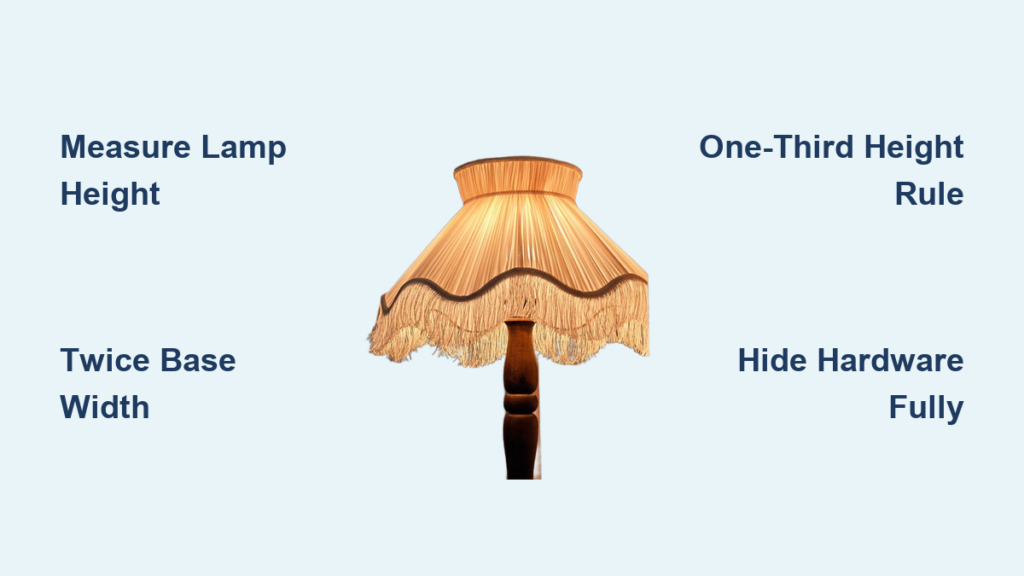
The glass shade or hood does more than look pretty. It directs heat downward onto the wax, focuses thermal energy for faster melting, and enhances ambient glow. Shades are available in clear, tinted, floral, moon-shaped, or vintage designs.
Controls and Smart Features
Modern candle warmer lamps go beyond basic on/off switches.
Adjustable Settings Available
Many models offer dimmable brightness where higher brightness equals stronger heat for faster melting while lower settings provide subtle warmth perfect for small rooms. Built-in timer functions on mid-to-high-end models include 2, 4, or 8-hour auto-shutoff options that prevent overheating and support safe unattended use. Premium warmers often come with remote controls to turn the lamp on/off, adjust brightness, and set timer preferences.
The on/off switch is located on the base or cord for manual control and requires a standard electrical outlet. Cord length is typically 5 to 6 feet, allowing flexible placement near outlets.
Step-by-Step Operation Guide
Using a candle warmer lamp is simple and intuitive.
How to Use Your Warmer Correctly
Follow these steps for optimal performance. Place the candle on a stable, heat-resistant surface. Adjust the lamp arm so the bulb sits 1 to 3 inches above the candle rim. Lock the position using the knob or clamp. Ensure the correct bulb is installed checking wattage and base type. Plug in the device and turn it on via switch or remote. Set brightness and timer if available. Wait 15 to 60 minutes for wax to melt and scent to fill the room.
What to Expect During Use
At 15 minutes, surface wax begins to soften and faint scent appears. After 30 to 60 minutes, a full melt pool forms and fragrance spreads evenly. After turning off, wax solidifies in 30 to 60 minutes. Continuous use maintains liquid wax and steady fragrance release.
Scent Release and Longevity Benefits
One of the biggest advantages of candle warmer lamps is how they extend fragrance life.
How Fragrance Evaporates Without Burning
Instead of combusting fragrance oils like a flame, the lamp gently heats the wax causing volatile compounds to evaporate slowly. This results in milder initial scent compared to a lit candle but more consistent diffusion over time with no fading as the candle burns down. It is ideal for people who prefer non-overpowering, long-lasting aromas.
Extended Candle Lifespan Explained
Since wax is not consumed by fire, a typical 8 oz candle lasts 3 to 5 times longer. A 40-hour burn candle may last over 100 hours on a warmer. Some users report getting six months or more from a single candle with layer rotation. Wickless candles designed specifically for warmers often provide stronger scent throw due to optimized wax blends.
Safety Advantages and Best Practices
Candle warmer lamps are marketed as a safer alternative to open flames.
Why They Are Flame-Free and Low-Risk
These devices eliminate fire hazards making them safe for dorms, hospitals, and offices. They produce no soot or smoke which is better for indoor air quality and walls. The cool-to-touch base on most models stays safe during operation. Auto-shutoff timers reduce risk of prolonged use. UL or ETL certification ensures electrical safety.
Recommended Safety Guidelines
Use for 3 to 4 hours max then let cool. Never leave unattended overnight unless timer-equipped. Place on stable, heat-resistant surfaces. Keep cords away from pets and foot traffic. Unplug before changing bulbs or candles. Avoid touching hot bulb, shade, or melted wax immediately after use.
Compatible Candles and Limitations
Not all candles work equally well with warmer lamps.
Best Candles for Top-Down Warmers
Container candles from brands like Yankee Candle, Bath & Body Works, and Capri Blue work well. Wickless candles designed specifically for warmers optimize heat diffusion. Wax melts or tarts can be used if they fit under the lamp though plate warmers are better for this purpose.
Height and Wax Type Considerations
Candle height should be under 5.5 inches to avoid overheating. Soy, coconut, or vegetable-based waxes expand when heated and may crack glass if overheated so monitor closely. Never use cracked or chipped jars and avoid sudden temperature changes.
Lamp Versus Other Wax Warming Methods

Understanding how candle warmer lamps compare to alternatives helps you choose the right option.
| Feature | Top-Down Lamp | Bottom-Up Plate | Traditional Candle |
|---|---|---|---|
| Heat Direction | From above | From below | Flame from wick |
| Wax Usage | Surface layers only | Entire volume | Consumed by fire |
| Scent Duration | 3 to 5x longer | One-time use | 30 to 80 hours |
| Safety | No flame, cool base | No flame, hot surface | Fire risk |
| Aesthetic | Doubles as lamp | Functional look | Flickering flame |
| Electricity Needed | Yes | Yes | No |
| Scent Intensity | Mild, consistent | Strong, immediate | Burst then fade |
Lamps excel in dual functionality and candle longevity while plates are better for wax melts and traditional candles win for ambiance.
Real-World User Feedback and Trends
Social media and customer reviews confirm widespread satisfaction.
What Users Are Saying
The hashtag #CandleWarmer has over 170 million views on TikTok with users sharing aesthetic setups, scent tests, and long-term use stories. Amazon reviewers praise stylish and safe operation with kittens around, devices lasting three years, and spare bulbs included.
Long-term testers report daily use for two years with only bulb replacement needed. Users appreciate dual functionality as both a scent diffuser and mood lighting device.
Ideal Users and Use Cases
These lamps are perfect for parents and pet owners with no fire risk, remote workers enhancing focus and mood, college students meeting dorm safety rules, office spaces complying with no-flame policies, eco-conscious users wanting less waste and reusable jars, and aromatherapy fans preferring steady, low-intensity diffusion.
Design Styles and Decor Integration
Warmers come in多种 designs to match any interior.
Popular Aesthetic Options
Vintage wood base with clear glass offers a classic timeless look. Floral glass shade provides an antique-inspired feminine touch. Modern moon-shaped black metal delivers a sleek minimalist style. Matte black, brass, white ceramic, and rustic wood finishes blend into modern, rustic, or Scandinavian decor. Adjustable-height models solve fit issues with taller candles.
Cost, Value, and Sustainability
Candle warmer lamps are considered a long-term investment.
Price and Inclusions
Average cost is around $46 on Amazon. Most units include one or two bulbs with a spare, remote control on higher-end models, and an instruction manual. The investment pays off through extended candle life, reduced replacement costs, and dual use as light and diffuser. They are frequently bought as gifts for holidays or housewarmings.
Environmental Benefits
Less waste results from candles lasting longer. Reusable jars can be cleaned and repurposed. There is no CO2 from combustion though VOCs still release during heating.
Air Quality and Health Notes
Flame-free does not mean emission-free.
VOCs Released During Heating
A 2025 American Chemical Society study found that heating scented wax, even without flame, releases ultrafine particles and secondary organic aerosols especially from terpene-rich fragrances like citrus and pine. Levels were comparable to burning candles though without soot.
Health Recommendations
Use in well-ventilated areas. Avoid long exposure in small, enclosed rooms. Choose candles with natural, non-toxic fragrance oils when possible. They are not a complete solution for asthma or allergy sufferers but better than smoke.
Market Growth and Industry Background

Candle warmers have transitioned from niche gadgets to mainstream home essentials.
Market Size and Projections
The market was valued at $320 million in 2023 and is expected to exceed $450 million by the early 2030s. North America leads at 38%, followed by Asia-Pacific at 25% and Europe at 22%.
Key Growth Drivers
Fire safety concerns, demand for low-maintenance fragrance, social media influence, and dual-function appeal as light plus scent drive growth. Major brands include Candle Warmers Etc., Scentsy, ScentSationals, Yankee Candle, and Bath & Body Works.
Frequently Asked Questions About Candle Warmer Lamps
Does a Candle Warmer Lamp Actually Melt the Wax?
Yes, candle warmer lamps effectively melt wax by using heat from above to create a melt pool. The bulb raises the wax surface temperature to between 120°F and 160°F, liquefying the top layer and releasing fragrance without combustion.
How Long Does It Take for a Candle Warmer to Start Smelling?
Most users notice faint scent within 15 minutes and full fragrance throw within 30 to 60 minutes. The exact time depends on room size, candle strength, and warmth settings.
Are Candle Warmer Lamps Safe to Leave On Overnight?
It is not recommended to leave candle warmer lamps on overnight unless they have a built-in timer with auto-shutoff. For safe unattended use, utilize the timer function and limit continuous operation to 3 to 4 hours.
Do Candle Warmer Lamps Make Candles Last Longer?
Yes, candles used with warmer lamps typically last 3 to 5 times longer than traditional burning. Some users report getting six months or more from a single candle by rotating and removing spent wax layers.
Can You Use Any Candle in a Candle Warmer Lamp?
Most container candles work well, including jar candles from major brands. Avoid candles over 5.5 inches tall, cracked containers, and be cautious with soy or coconut wax that may expand and crack glass when overheated.
Do Candle Warmer Lamps Use a Lot of Electricity?
No, most candle warmer lamps use 25W to 50W bulbs, making them energy-efficient. At 40W, running one for 4 hours daily costs only a few dollars per month in electricity.
Key Takeaways for Understanding Candle Warmer Lamps
Candle warmer lamps work by using a heat-emitting bulb to melt candle wax from the top down, releasing fragrance without flame. They offer a safer, longer-lasting, and more economical way to enjoy scented candles, making them ideal for modern homes prioritizing safety, sustainability, and ambiance. While they require electricity and emit some VOCs, their benefits in scent longevity, dual functionality as both light and scent diffuser, and user safety make them a smart upgrade from traditional candles.