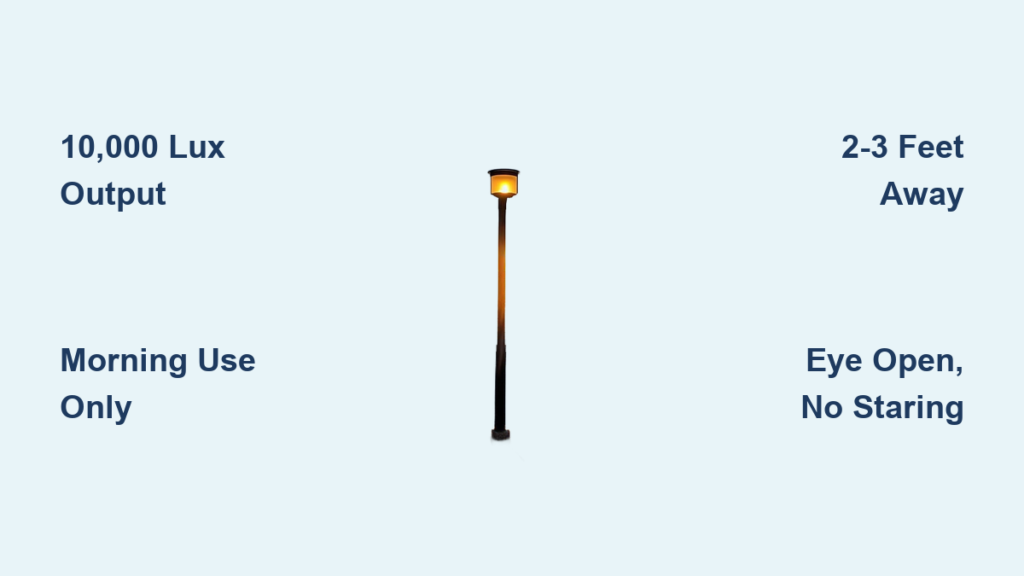
If you have ever felt sluggish, low on energy, or down during the darker months, you are not alone. A sun lamp might help. Also known as a light therapy box or SAD lamp, this device mimics natural daylight to reset your internal clock, boost mood, and improve alertness. Unlike tanning beds, sun lamps are designed for safe, daily use without harmful radiation.
This guide walks you through exactly how to use a sun lamp based on clinical research and expert recommendations. You will learn device selection, timing, positioning, and safety precautions so you get results without side effects.
Choose the Right Sun Lamp
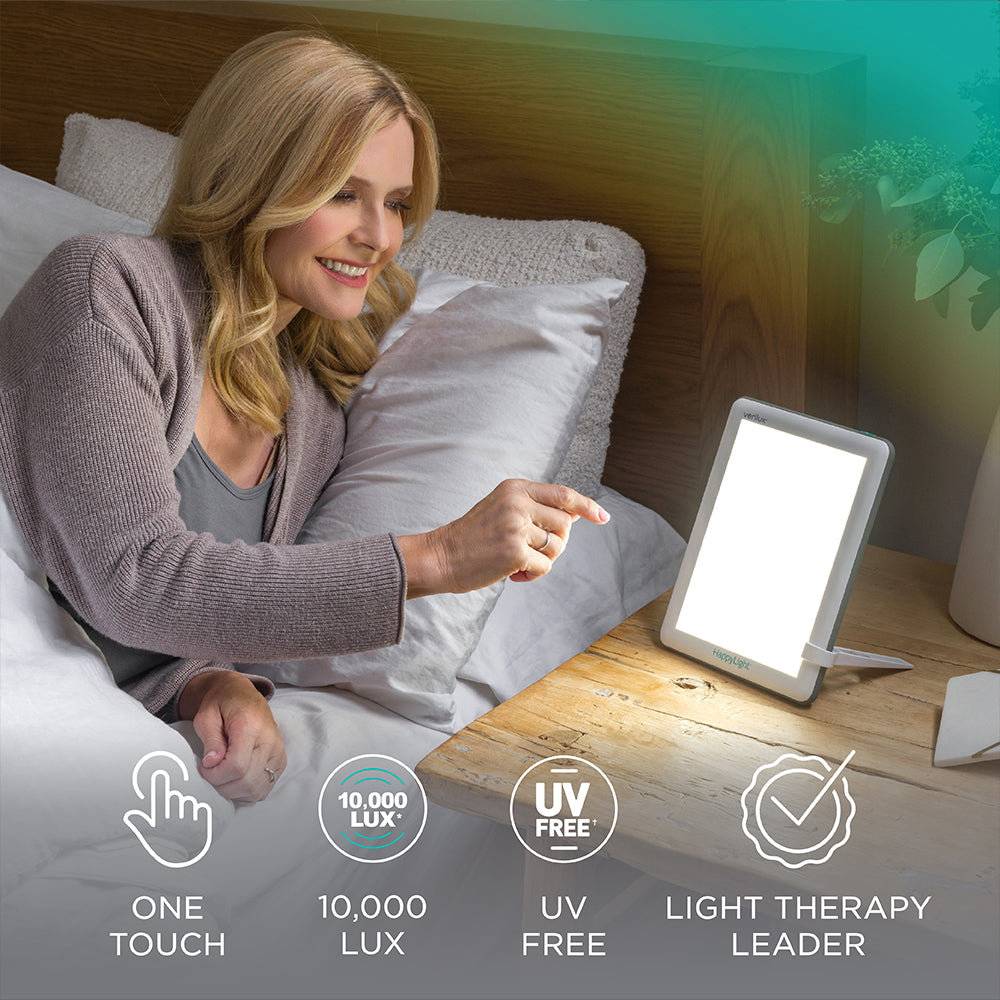
Selecting the correct device is the foundation of effective light therapy. Not all sun lamps deliver the brightness needed for meaningful results.
10,000 Lux Is the Gold Standard
For effective light therapy, your sun lamp must emit 10,000 lux of brightness. This is the intensity proven in studies to treat Seasonal Affective Disorder and circadian disruptions. At this level, you need only 30 minutes per day.
Lamps with lower output require longer sessions. A 5,000 lux device needs 45 to 60 minutes, while a 2,500 lux lamp requires 1 to 2 hours. When shopping, verify the lux output at a 2-foot distance. Some brands advertise up to 10,000 lux but only when you sit inches away.
Avoid UV Light and Blue-Only Lamps
A safe sun lamp filters out all UVA and UVB rays. UV exposure increases risks for cataracts and skin damage, so never use tanning beds, halogen lights, or UV therapy lamps for mood support.
While blue-enriched light around 460 to 480 nanometers can influence circadian rhythms, it often causes glare and eye strain. Full-spectrum or cool-white fluorescent lamps are better tolerated and equally effective for most users.
Pick a User-Friendly Design
Look for features that support consistent daily use. A tilt adjustment lets you angle light properly. A timer or auto shut-off prevents overuse. Compact size under 5 inches deep works well for desk or travel use. A stable base keeps the device secure.
Popular models meeting clinical standards include the Philips goLite, Verilux HappyLight Luxe, and Carex Day-Light Classic Plus.
Set the Correct Time and Schedule
Timing is critical for sun lamp effectiveness. Using it at the wrong time can make treatment useless or even disruptive to your sleep.
Use It Right After Waking
The best time to use a sun lamp is within one hour of getting out of bed, ideally between 6:00 a.m. and 9:00 a.m. Morning light signals your brain to stop producing melatonin, the sleep hormone, helping you feel awake and resetting your internal clock.
This timing is especially crucial if you struggle to wake up, feel groggy in the morning, or have a night owl sleep pattern. Using the lamp in the evening can delay sleep onset and disrupt your rhythm, so avoid sessions after 6:00 p.m.
Start Preventively in Fall
Begin light therapy around September 21, the autumnal equinox, before SAD symptoms fully develop. If you live at a higher latitude like the northern United States, Canada, or Scandinavia, start as early as late August.
Continue daily use through March 21, the spring equinox, or longer if symptoms persist. Some people benefit from year-round use, especially if they work indoors or have non-seasonal depression.
Position the Lamp Correctly
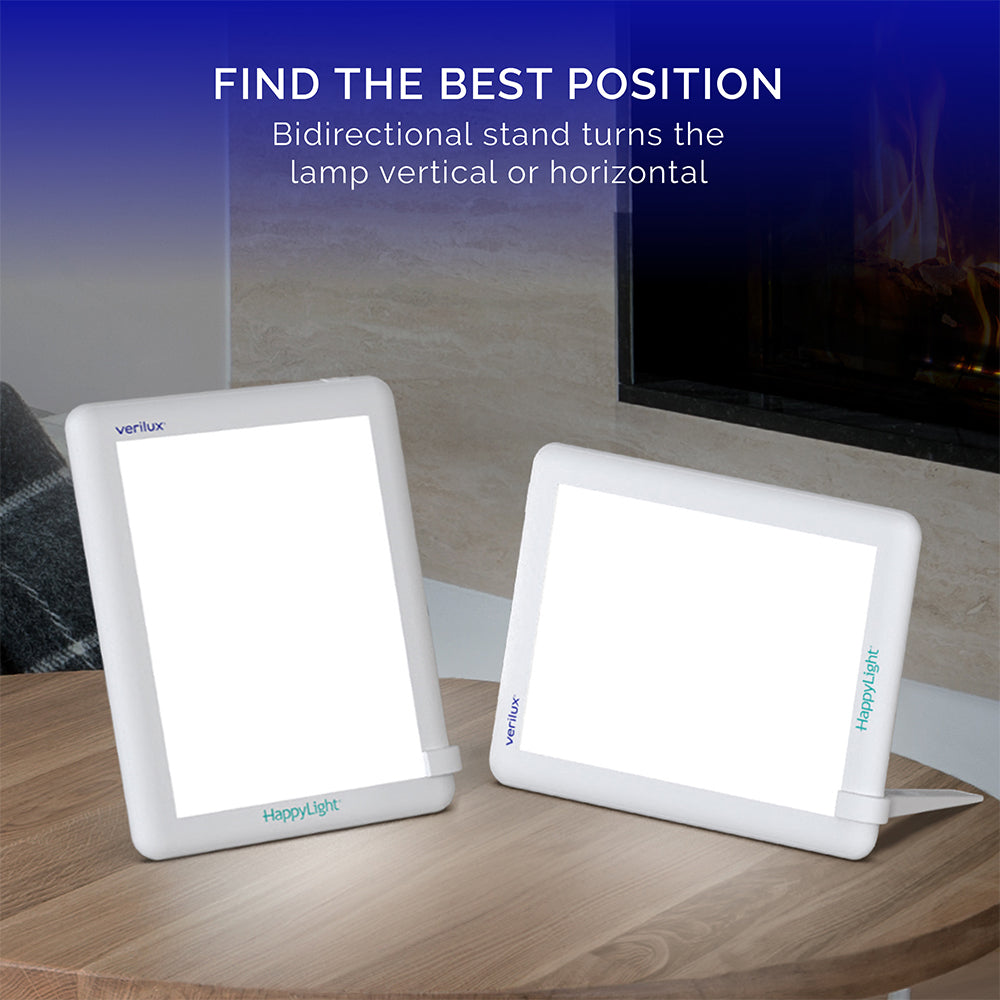
Proper positioning determines how much therapeutic light actually reaches your eyes. Even the best device fails if placed incorrectly.
Sit 2 to 3 Feet Away
Keep the lamp 2 to 3 feet, or 60 to 90 centimeters, from your face. This is about arm’s length. At this distance, a 10,000 lux lamp delivers full therapeutic benefit in 30 minutes.
Light intensity drops sharply with distance due to the inverse square law. Doubling your distance reduces brightness to just 25 percent. If you sit 4 feet away, your effective exposure drops to approximately 2,500 lux, requiring 2 to 4 hours to match a 30-minute session up close.
Angle It at 45 Degrees
Place the lamp slightly above eye level and 45 degrees to the side of your face. This allows light to enter your eyes indirectly through your peripheral vision. No staring is required.
Avoid placing the lamp to your side on a couch or behind you. At 60 degrees off-axis, light intensity drops by 50 percent, making your session far less effective.
Follow the Right Exposure Routine
How you behave during your session matters as much as when you do it. Certain habits can undermine benefits or cause discomfort.
Keep Your Eyes Open But Do Not Stare
You must keep your eyes open for light to reach your retina and trigger mood-regulating brain pathways. However, do not look directly at the lamp. Staring can cause headaches, glare, or eye strain.
Instead, gaze slightly downward while reading, eating breakfast, or working on your laptop. The light should fall across your face naturally, like morning sunlight through a window.
Start with 15 Minutes, Then Build Up
If you are new to light therapy, begin with 15 minutes per day to assess tolerance. After a few days, increase to the standard 30-minute session.
If you do not notice improvement in 2 to 4 days, extend to 45 or 60 minutes, but only if your device and comfort level allow. Never exceed manufacturer guidelines without medical advice.
Stay Active During Sessions
Use your time productively. Eat breakfast or drink coffee. Read a book or journal. Check emails or plan your day. Get dressed or groom.
You must be awake. Napping defeats the purpose. Portable or wearable light visors let you move around, but standard boxes work best when used at a desk or table.
Stick to a Daily Routine
Consistency is what makes light therapy work. Sporadic use rarely produces meaningful results.
Consistency Beats Intensity
Daily use is essential. Skipping even one or two days can lead to symptom relapse. Most people see better energy in 1 to 2 days, improved mood in 2 to 4 days, and full benefits within 10 to 14 days.
Once you feel better, keep using the lamp daily through the winter. Stopping too soon often brings symptoms back within days.
Adjust Only One Factor at a Time
After your mood stabilizes, you might experiment with reducing duration or shifting session time. But make only one change at a time and keep it for at least two weeks to see how your body responds.
If symptoms return, go back to your original routine.
Watch for Side Effects and Risks
Light therapy is generally safe, but knowing potential issues helps you respond appropriately.
Manage Mild Side Effects
Common early side effects include headaches, eye strain, nausea, and irritability. These usually fade in a few days.
To reduce discomfort, sit a bit farther away temporarily. Shorten sessions to 10 to 15 minutes. Adjust the angle to reduce glare. Stay hydrated and avoid screen use during sessions.
Avoid Use in High-Risk Groups Without Guidance
Certain conditions require medical supervision before starting light therapy.
If you have bipolar disorder, light therapy can trigger manic or hypomanic episodes. Use only under a doctor is care, often alongside mood stabilizers.
If you have macular degeneration, glaucoma, or diabetic retinopathy, consult an ophthalmologist first. Light may worsen retinal damage in vulnerable eyes.
Some medications increase light sensitivity, including doxycycline, antipsychotics like chlorpromazine, St. John is Wort, and certain NSAIDs. Check with your doctor if you are on any medication.
Avoid Common Mistakes
Many people undermine their light therapy without realizing it. These errors are easy to avoid once you know them.
Using the Wrong Type of Light
Ordinary lamps, desk lights, or phone screens will not work. Most indoor lighting is only 100 to 500 lux, far below the 10,000 lux threshold. Only a dedicated light therapy box delivers enough brightness.
Tanning beds are not substitutes. They emit harmful UV radiation and do not treat SAD.
Expecting Vitamin D from a Sun Lamp
Sun lamps do not produce vitamin D because they filter out UVB rays. If you live in a northern climate above 35 degrees latitude, consider taking 2,000 IU of vitamin D3 daily from October through April.
Overusing or Mis-timing Sessions
More light is not always better. Excessive exposure can cause overstimulation, anxiety, or insomnia. Stick to 30 minutes in the morning unless advised otherwise.
Evening use is a major mistake. It can delay sleep by suppressing melatonin too late in the day.
Know What Works and What Does Not
Understanding what light therapy actually helps clarifies expectations and prevents wasted effort.
Proven Benefits by Condition
Light therapy works best for Seasonal Affective Disorder, with a 60 to 80 percent response rate. It is also strongly effective for jet lag, shift work disorder, and delayed sleep phase insomnia.
For non-seasonal depression, light therapy provides moderate benefits, especially when combined with exercise or outdoor walks. Emerging evidence supports its use for dementia symptoms, including reduced agitation and improved sleep.
Debunked Myths
Sun lamps do not give you vitamin D because no UVB means no vitamin D synthesis. Not all bright lights work the same. Only 10,000 lux, UV-filtered boxes are effective. Staring at the lamp does not help and increases discomfort. More light does not equal better results.
When to See a Doctor
While sun lamps are available over-the-counter, certain situations call for professional guidance.
Consult a healthcare provider if you have bipolar disorder, eye disease, photosensitive conditions, or children with mood symptoms. A doctor can confirm if you have SAD or another mood disorder, recommend the right device and schedule, monitor for side effects, and combine light therapy with other treatments.
As one expert notes, do not hesitate to ask your doctor if a phototherapy lamp might help your seasonal mood symptoms. It is a safe, drug-free option that works well for many people.
Key Takeaways for Using Your Sun Lamp Effectively

Success with a sun lamp is not about the brand. It is about using it right. Choose a 10,000 lux device that filters out UV rays and uses full-spectrum light. Position it 2 to 3 feet away at a 45-degree angle to your face. Use it daily in the morning within one hour of waking for 30 minutes. Keep your eyes open but do not stare directly at the light.
Start in fall around September 21 and continue through winter until natural daylight increases. If you experience mild side effects like headaches or eye strain, reduce distance or shorten sessions temporarily. Consult a doctor before use if you have bipolar disorder, eye disease, or take photosensitizing medications.
With consistent, correct use, you can combat winter blues, improve sleep, and reclaim your energy naturally.