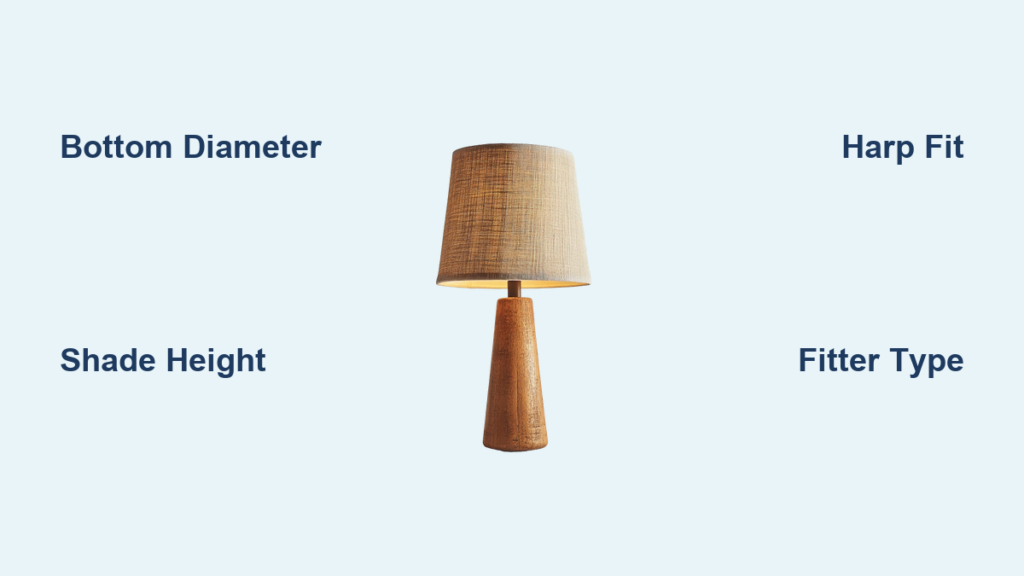
Choosing the right lampshade isn’t just about style. It’s about proportion, fit, and function. A poorly sized shade can make even the most elegant lamp look unbalanced or expose unsightly hardware. If you’ve ever wondered how to measure a lamp for a lampshade, you’re not alone. Thousands of homeowners and decorators struggle with mismatched shades that are too narrow, too short, or simply out of sync with the room’s design.
The key lies in three core measurements: shade width, height, and slant, paired with an understanding of your lamp’s base dimensions and fitter type. When done correctly, the right shade covers the socket and harp completely, balances visually with the base, and enhances the lighting effect in your space. In this guide, you’ll learn step-by-step how to measure your lamp accurately, choose the ideal shade size by lamp type, match shapes for aesthetic harmony, and avoid common fitting mistakes.
Measure Shade Width Using the 2:1 Rule

The bottom diameter of the lampshade is the most important width measurement and determines visual balance. Understanding how to measure a lamp for a lampshade starts with getting this number right.
Apply the Two-to-One Width Ratio
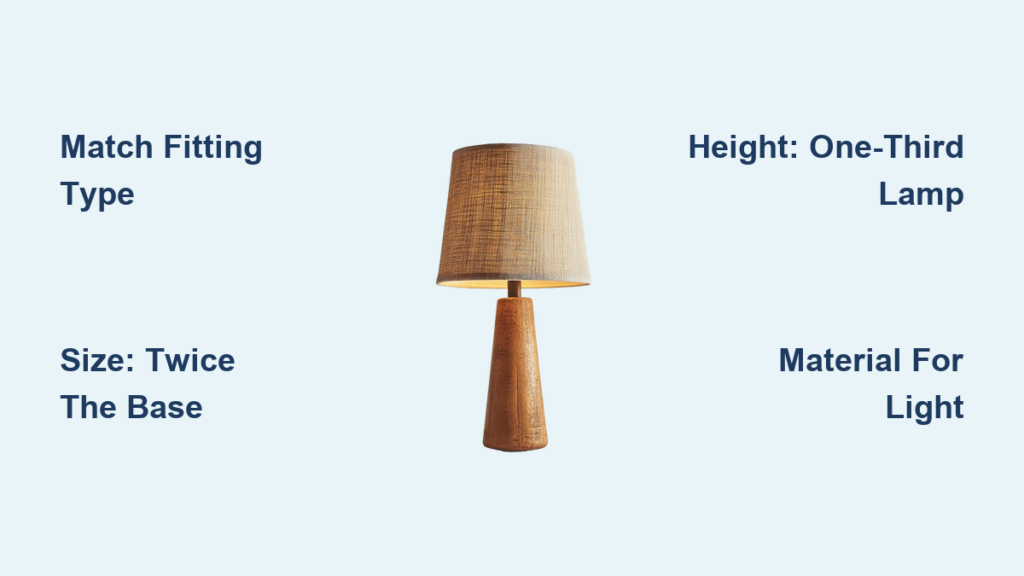
For most table and floor lamps, the shade’s bottom width should be roughly twice the widest part of the lamp base. For example, if your lamp base measures 8 inches across at its widest point, aim for a 16-inch wide shade. This rule prevents the lamp from appearing top-heavy if the shade is too narrow or awkwardly bulky if too wide. It applies especially to table lamps where proportion is critical in smaller spaces.
Adjust for Floor Lamps
Floor lamps require slightly different logic. The shade should extend 4 to 8 inches beyond the base on each side. This creates a grounded, stable appearance, especially in large rooms where the lamp serves as a focal point. For tall arc or torchiere floor lamps, oversized shades in the 18″ to 24″ range work well, but only if the base can support the scale.
Read Standard Shade Labels
Lampshades are labeled using a universal format: Top Diameter × Bottom Diameter × Height. For example, “10” x 16″ x 12″” means a top of 10 inches, bottom of 16 inches, and height of 12 inches. Even though all three numbers are given, the bottom diameter defines the shade size, so this would be called a 16-inch lampshade. Always measure your lamp base’s widest point with a flexible tape measure. Round up slightly if between sizes to ensure adequate coverage.
Determine Ideal Shade Height

Height affects both appearance and functionality. Too short, and hardware shows. Too tall, and the lamp looks awkward. Learning how to measure a lamp for a lampshade height is just as critical as width.
Use the 2/3 Base Height Rule for Table Lamps
For table lamps, measure from the bottom of the base to just below the socket where the harp attaches. Multiply that number by two-thirds to find the ideal shade height. For example, if your lamp base height is 12 inches, the ideal shade height is 12 multiplied by 0.67, which equals approximately 8 inches. This ensures the shade fully conceals the socket and harp while maintaining elegant proportions.
Use the 1/4 Total Height Rule for Floor Lamps
For floor lamps, measure from the floor to the bottom of the bulb holder. Divide that by 4 to estimate optimal shade height. For example, if the total lamp height is 60 inches, the ideal shade height is 60 divided by 4, which equals 15 inches. This keeps the visual weight balanced and prevents the shade from dominating the lamp’s silhouette.
Check Harp Visibility
Once installed, the bottom of the harp should not be visible. If it sticks out below the shade, either the harp is too tall, the shade is too short, or both. You can fix this by replacing the harp with a shorter or taller version depending on the issue. Exposed hardware breaks the clean line of the lamp and reduces its aesthetic appeal.
Measure Slant for Tapered Shades

Tapered or empire-style shades require diagonal measurement for accurate fit. This step in how to measure a lamp for a lampshade is often overlooked but essential.
Measure Diagonally Across the Side
Use a flexible tape measure to find the slant height, which is the distance from the top rim to the bottom edge along the side of the shade. This measurement ensures the shade fully encloses the socket and aligns properly with the harp. Standard vertical height doesn’t account for the angle, so relying on it alone can lead to gaps or misalignment.
Why Slant Measurement Matters
If you’re replacing an old tapered shade or ordering a custom one, the slant determines whether the shade will sit flush with the harp, cover the socket completely, and maintain smooth visual lines. A shade with incorrect slant may tilt, leave hardware exposed, or appear misshapen. When shopping online, check product specs for slant height or side length to ensure compatibility.
Measure Your Lamp Base Step by Step
Accurate base measurements are essential for selecting the right shade size. Following these steps ensures you know exactly how to measure a lamp for a lampshade.
Step 1: Find the Base’s Widest Point
Wrap a soft tape measure around the widest part of the lamp base, which is often near the bottom or middle depending on design. Record this number. Then double it to determine the minimum recommended shade diameter. For example, if the base width is 9 inches, the ideal shade width is approximately 18 inches. This ensures the shade doesn’t look undersized.
Step 2: Measure Base Height for Table Lamps
Measure from the bottom of the base to the point just below the socket, not including the harp or bulb. Multiply this by two-thirds to get target shade height. For example, if the base height is 15 inches, the target shade height is 10 inches.
Step 3: Measure Total Lamp Height for Floor Lamps
For floor models, measure from the floor to the bottom of the socket. Divide by 4 to calculate ideal shade height. For example, if the total height is 64 inches, the target shade height is 16 inches.
Step 4: Inspect Harp and Fitter Type
Identify the harp style, which is the U-shaped support wire, and the fitter type. The most common is a spider fitter, which attaches to the harp with a finial. An uno fitter fits directly onto the socket with no harp needed. Clip-on fitters attach to the bulb and are used for accent lights. Mismatched fittings won’t secure properly, so always confirm compatibility before purchasing.
Choose Shade Size by Lamp Type
Different lamps demand different proportions. Here’s what works best when considering how to measure a lamp for a lampshade by category.
Table Lamps: Balance and Proportion
Table lamps typically use shades with a diameter of 12 to 16 inches. The ideal height is two-thirds of the base height. Best shapes include empire, drum, oval, and bell. These lamps often sit on nightstands or side tables, so they should feel balanced and not overwhelming. An exception applies to tall buffet lamps that are 24 inches or taller, which may need narrower shades to avoid looking top-heavy despite their height.
Floor Lamps: Scale and Presence
Floor lamps typically use shades with a diameter of 18 to 24 inches. The height follows the one-fourth of total lamp height rule. The width should be 4 to 8 inches wider than the base. Use bold, oversized shades to anchor large living rooms or reading nooks. Note that adjustable gooseneck or swing-arm floor lamps often use smaller shades in the 12″ to 16″ range due to their focused lighting purpose.
Match Shade Shape to Lamp Base
Design harmony starts with shape compatibility. Understanding how to measure a lamp for a lampshade includes knowing which shapes work together.
Pair Shapes for Visual Flow
Straight, square, or rectangular bases pair well with square, rectangle, or cylinder shades that mirror clean lines. Round, curved, or tapered bases work best with empire, oval, or French drum shades that echo soft curves. Column-style bases are versatile and work with any shape due to their neutral profile. Modern or minimalist bases pair with drum, cylinder, or geometric shades that match sleek aesthetics. Traditional or ornate bases complement empire, bell, or oval shades that add classic details.
Avoid Clashing Forms
Never pair a bulbous, curved base with a sharp, angular shade unless intentional for contrast. In most cases, matching curvature or linearity creates a cohesive look. When in doubt, choose a shade that echoes one design element from the base, such as a brass trim or fabric color.
Consider Room Size and Lighting Needs
Your space dictates shade scale and material, which is a crucial part of how to measure a lamp for a lampshade.
Large Rooms Need Bigger Shades
In spacious living areas or entryways, use 18″ to 24″ plus diameter shades. Opt for wide drums or tiered designs. Choose darker or textured materials to add visual weight. These shades act as design anchors and distribute light broadly.
Small Rooms Benefit from Delicate Shades
In cozy bedrooms or tight corners, stick to 12″ to 16″ shades. Use light-colored, translucent fabrics like linen, silk, or parchment. Try oval or narrower profiles to save space. Lighter materials diffuse soft, ambient glow, while darker shades direct light downward, which is ideal for task lighting.
Check Fitting and Hardware Compatibility
Even the perfect-sized shade won’t work if it doesn’t attach securely. This aspect of how to measure a lamp for a lampshade is often forgotten.
Know Your Fitter Type
A spider fitter is the most common option and uses a crossbar inside the shade and a finial to lock onto the harp. An uno fitter attaches directly to the socket with no harp needed and is common in modern lamps. Clip-on fitters are small shades that clip onto the bulb and are best for accent lighting. Always verify which type your lamp uses before buying.
Ensure Finial Fit
The finial, which is the top knob, must thread securely onto the lamp rod, press firmly against the spider fixture, and be long enough to hold the shade in place. A loose finial causes wobbling or shade slippage. Never force a finial. If it doesn’t screw on easily, the thread size may be incompatible.
Fix Common Shade Fit Problems
Even careful measuring can lead to issues. Here’s how to solve them when you understand how to measure a lamp for a lampshade.
If the shade sits too high and exposes the harp, the cause is either a harp that is too tall or a shade that is too short. The fix is to replace with a shorter harp or taller shade. If the shade touches the base or sits too low, the cause is a harp that is too short or a shade that is too deep. The fix is to install a taller harp or choose a shorter shade. If the shade looks top-heavy, the cause is that it is too wide or too tall relative to the base. The fix is to re-measure using the 2:1 width and two-thirds height rules. If hardware shows below the shade, the cause is poor proportion or wrong harp height. The fix is to adjust the harp or replace with a correctly sized shade.
Design With Aesthetic Harmony
Great lighting blends function with style. This final piece of how to measure a lamp for a lampshade ensures your choices look intentional.
Coordinate Color and Material
Match shade fabric to the room’s color scheme. Use neutral tones to blend in or bold colors to stand out. Consider texture: linen softens light, metal directs it, and glass adds sparkle.
Maintain Style Consistency
Modern rooms work well with drum, cylinder, or geometric shades. Rustic spaces benefit from natural weave, burlap, or parchment. Coastal decor pairs with seagrass, rope-trimmed, or nautical prints.
Style in Pairs
For bedside or console lamps, use identical shades for symmetry. Align lamp height with nearby artwork or mirrors using the rule of three. A well-styled pair of lamps can unify a room’s design language.
Frequently Asked Questions About Measuring a Lamp for a Lampshade
What is the most important measurement when learning how to measure a lamp for a lampshade?
The bottom diameter of the shade is the most critical measurement. This width determines visual balance and is how shades are categorized and labeled. Always start with this measurement when determining shade size.
How do I measure a lamp base for a new lampshade?
Measure the widest point of the lamp base with a flexible tape measure. Double this number to find the minimum recommended shade diameter. For height, measure from the base bottom to just below the socket and multiply by two-thirds for table lamps or divide total height by 4 for floor lamps.
What happens if my lampshade is the wrong size?
An incorrectly sized shade can look top-heavy if too narrow, overwhelm the base if too wide, or expose hardware like the harp and socket. These issues break the lamp’s visual line and reduce its aesthetic appeal.
Can I use any shade shape on my lamp base?
While column lamps work with almost any shape, most bases pair best with complementary shapes. Round bases suit curved shades, square bases suit geometric shades, and traditional bases suit classic shapes like empire or bell. Matching form creates visual harmony.
How do I know if my lamp uses a spider or uno fitter?
Examine how the shade attaches to the lamp. A spider fitter uses a harp and finial, which is the most common type. An uno fitter attaches directly to the socket without a harp. Check before purchasing to ensure compatibility.
Key Takeaways for Measuring Your Lamp Correctly
Measuring a lamp for a lampshade is simple when you know what to look for. Remember the core proportion rules: shade width should be about twice the lamp base width, shade height should be roughly two-thirds of the base height for table lamps, and floor lamp shades should be about one-fourth of the total lamp height. Always measure twice before purchasing, keep a record of your lamp dimensions for future reference, and verify fitter compatibility before buying. If you’re unsure about unique or antique lamps, consult a lighting specialist or consider custom-made shades for the perfect fit and style. With the right measurements and design sense, your lamp will shine both literally and figuratively in your space.