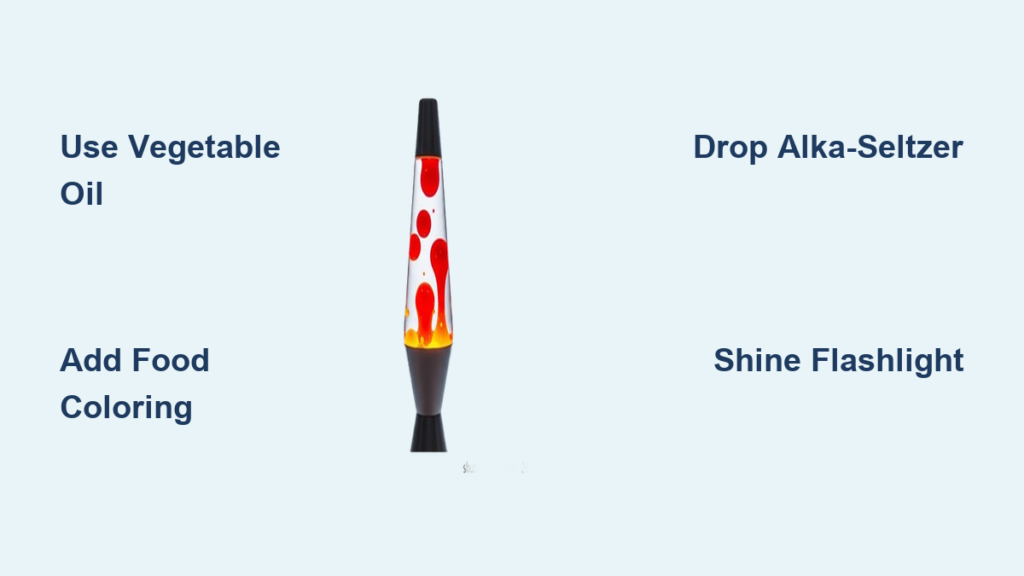
Watching colorful blobs rise and fall like a real lava lamp is pure magic, especially when kids make it themselves. This easy, science-packed activity teaches core concepts like density and chemical reactions while delivering big visual fun. Using just a few household items, you can create a bubbling, colorful display in minutes. The best part? It is safe, affordable, and perfect for curious young minds ages 4 to 12. Whether you are at home, in a classroom, or planning a party activity, this DIY lava lamp delivers instant wow with lasting educational value.
Choose the Right Container for Your Lava Lamp
Pick a transparent container so the lava effect is easy to see. A 16 to 20 oz plastic water bottle works best because it is lightweight, safe, and easy for little hands to handle. Mason jars are also great for display but may be harder for young kids to manage. Always use a clean, dry container to ensure clear layer separation. Plastic is safer than glass, especially with younger children.
Fill the bottle only two-thirds to three-quarters full before activating the lamp. Leave 1 to 2 inches of headspace at the top to prevent messy overflow when bubbles form. A tall, narrow shape makes the colored blobs travel farther, adding drama to the show.
Layer Oil and Water Correctly

Pour tap water into the bottle until it is about one-third full. Some versions use one-quarter to leave more room for oil, but one-third gives better movement of colored water. Water is denser than oil, so it naturally sinks to the bottom and creates the base layer for your lava effect.
Slowly add vegetable oil or baby oil until the bottle is nearly full. Let it settle for 1 to 2 minutes. You will see a sharp line form. Oil floats on top while water stays below. This separation happens because oil and water are immiscible, meaning they do not mix due to differences in molecular polarity.
Add Color That Sinks and Bursts
Add 4 to 6 drops of liquid food coloring directly into the bottle. Watch closely because food coloring is water-based and sinks through the oil in round globules. When each drop hits the water layer, it pops open and releases color in swirling ribbons. This moment is a favorite with kids and a great chance to talk about how liquids behave.
For a rainbow effect, use different colors one at a time. Red, blue, and green create bold contrast. Avoid adding too much coloring because over 6 drops can make the water too dark and reduce visibility.
Activate with Fizzing Tablets
Break an Alka-Seltzer tablet into 4 quarters. Drop one piece into the bottle. Instantly, bubbles of carbon dioxide form in the water, attach to colored droplets, and lift them into the oil layer. When the bubbles pop at the surface, the droplet falls back down, just like a real lava lamp.
One piece creates 30 to 90 seconds of motion. When the fizz stops, add another piece to restart the show. You can repeat this 5 to 6 times before the water gets too cloudy. The tablet contains citric acid and sodium bicarbonate. When it hits water, they react and produce CO2 gas. This gas creates the lift that powers the lava effect. Generic effervescent tablets work too if they fizz in water.
Try the Baking Soda and Vinegar Method
In a small cup, combine white vinegar and 2 to 3 drops of food coloring. Stir gently. This colored acid mix will react with baking soda at the bottom of the jar to create the same bubbling effect.
Place 3 tablespoons of baking soda in the bottom of a jar. Pour vegetable oil on top, filling about two-thirds of the container. Let it settle so the baking soda stays dry on the bottom.
Slowly drizzle the colored vinegar mixture into the jar. As it sinks through the oil and hits the baking soda, carbon dioxide bubbles form instantly. These bubbles carry color upward and create the lava motion. The reaction lasts about 60 seconds but cannot be restarted without refilling.
The science behind this method is simple. Baking soda plus vinegar creates carbon dioxide gas, water, and sodium acetate. The gas lifts the colored droplets just like the tablet method.
Boost the Visual Effect with Light
Turn off the lights and place a flashlight or LED pad under the bottle. The light shines through the colored blobs and creates a glowing lava lamp effect. A phone flashlight works in a pinch. For schools or parties, a light table makes the colors pop even more.
Use UV-reactive food coloring or glow-in-the-dark paint and shine a blacklight on the bottle. The colors will glow under UV light and give a psychedelic twist. Kids love this version at night or in dark rooms.
Compare Oils for Different Effects

Vegetable oil is thicker, so food coloring sinks slowly and builds suspense before it bursts. Bubbles also rise more gradually, creating a longer-lasting, dramatic lava show. This is the best choice for a classic, theatrical effect.
Baby oil is thinner, so coloring sinks faster and bursts quickly. Bubbles move rapidly and give a snappy, energetic display. Good for quick reactions but less dramatic than vegetable oil.
| Oil Type | Color Descent | Visual Style |
|---|---|---|
| Vegetable Oil | Slow | Dramatic, smooth |
| Baby Oil | Fast | Energetic, quick |
Teach Science Through Play
Ask kids why oil floats. Because oil is less dense than water. Use toys or objects to test what floats in water versus oil. This reinforces the idea of density in a hands-on way.
Point out why the color does not mix with oil. Food coloring is water-based, and oil and water do not mix. This teaches polarity and solubility in simple terms that kids can understand.
Ask where the bubbles come from. From a chemical reaction that makes carbon dioxide gas. When gas sticks to colored water, it lifts it up, but when the bubble pops, the drop falls back down.
Extend the Experiment
Try the experiment with warm water in one bottle and cold water in another. Warm water often makes Alka-Seltzer react faster and creates quicker bubbles. This is a simple way to introduce temperature is effect on reactions.
When the fizz stops, sprinkle in a teaspoon of salt. Salt is denser than oil and sinks fast, dragging colored droplets down. This briefly restarts movement and demonstrates density changes in a fun way.
After adding a tablet, screw on the lid and watch how bubbles form but do not rise as freely. Trapped gas increases pressure. This mimics how sealed systems behave and makes a great intro to gas laws for older kids.
Keep It Safe and Clean
Always watch kids closely, especially when handling bottles or tablets. Explain that this is not a drink, even if it looks like juice. Label the bottle clearly to prevent confusion.
Stick to food-grade ingredients. Use food coloring, vegetable or baby oil, and Alka-Seltzer or baking soda and vinegar. Avoid essential oils or fragrances that may irritate skin or cause allergies.
When done, unscrew the cap to release any pressure. Pour contents down the drain because oil will not clog pipes in small amounts. Rinse the bottle with warm water. If reusing, dry thoroughly before the next experiment.
Make It Reusable and Fun
In the baking soda method, pour out the colored water after use. The oil stays clean. Add fresh baking soda and dyed vinegar next time for a new round of the lava effect.
Once the experiment is over, seal the bottle with glue after all gas is gone. Let kids decorate it with stickers, labels, or glitter. Turn it into a science art piece that they can display.
Set up two bottles at once. One with a whole tablet and one with a quarter. Or one with baby oil and one with vegetable oil. Let kids predict and compare results. This builds observation and critical thinking skills.
Troubleshoot Common Problems
No bubbles appearing usually means the tablet is expired or the water level is too low. Use a fresh Alka-Seltzer and make sure the tablet reaches the water to react.
Weak bubbles often happen when the tablet is broken too small or the water is cold. Use half or quarter pieces instead of powder. Try room-temperature or slightly warm water to speed the reaction.
Color spreading too fast means too much food coloring was used. Stick to 4 to 6 drops only. Impure containers can also break surface tension, so wash with soap and dry thoroughly.
Mixture overflowing happens when the bottle is overfilled or a whole tablet is used. Always leave 1 to 2 inches of space at the top. Break tablets into quarters for gentler fizz.
Final Step-by-Step Guide
Grab a clean 16 to 20 oz plastic bottle. Fill it one-third with water. Add 4 to 6 drops of food coloring. Pour in vegetable oil and leave 1 to 2 inches at the top. Wait 1 to 2 minutes for layers to separate. Break Alka-Seltzer into 4 pieces. Drop one piece in and watch the lava rise. Repeat with remaining pieces. Shine a flashlight underneath for the glow effect. Dispose safely or decorate for display.
Frequently Asked Questions About Making a Lava Lamp for Kids
What is the best oil to use for a DIY lava lamp?
Vegetable oil produces the best dramatic effect because it is thick and makes the colored blobs rise slowly. Baby oil works too but creates a faster, less dramatic effect.
How long does the lava lamp effect last?
Each piece of Alka-Seltzer creates 30 to 90 seconds of motion. You can add 5 to 6 pieces before the water becomes too cloudy to see clearly.
Can I reuse the lava lamp mixture?
Yes, you can reuse the oil layer in the baking soda method by pouring out the colored water and adding fresh baking soda and dyed vinegar. With Alka-Seltzer, simply add more tablet pieces to restart the effect.
Is this experiment safe for young children?
Yes, when supervised. Use plastic bottles instead of glass, and clearly label the lamp so no one drinks the contents. All ingredients are food-grade and non-toxic.
Why does the food coloring not mix with the oil?
Food coloring is water-based, and oil and water have different molecular properties that make them immiscible. The coloring sinks through the oil because it is denser.
Can I make the lava lamp glow?
Yes, place a flashlight underneath the bottle to create a glowing effect. For extra glow, use UV-reactive food coloring or glow-in-the-dark paint with a blacklight.
Key Takeaways for Making a Lava Lamp with Kids
Making a lava lamp is one of the most engaging science activities for children because it combines simple materials with impressive visual results. The key to success is using the right proportions of water, oil, and food coloring, then activating the reaction with either Alka-Seltzer tablets or a baking soda and vinegar mixture. Both methods demonstrate density, immiscibility, and gas production in ways kids can see and understand.
The experiment costs under $1 per lamp and takes under 10 minutes to set up. This makes it perfect for classrooms, birthday parties, rainy days at home, or any occasion when you want to spark curiosity in young scientists. Whether you use vegetable oil for dramatic, slow-moving blobs or baby oil for quick, energetic movement, the result is always mesmerizing.
Ready to start? Gather your materials, follow the step-by-step guide, and watch the magic happen. Your kids will not just see science in action, they will remember it.