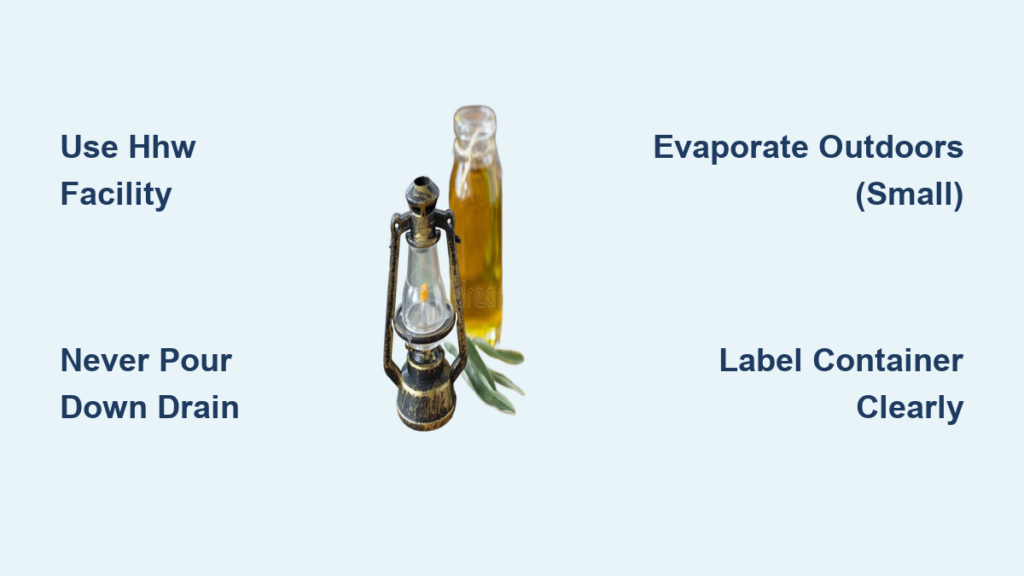
You’ve finished using your oil lamp, but now you’re left with leftover lamp oil. What do you do? Pouring it down the drain, tossing it in the trash, or letting it evaporate might seem convenient, but these actions are dangerous and often illegal. Lamp oil, especially kerosene-based fuel, is classified as Household Hazardous Waste due to its flammability, toxicity, and environmental impact.
Improper disposal can pollute water supplies, harm wildlife, and pose fire or health risks in your home. The good news is that with the right steps, you can dispose of lamp oil safely, legally, and responsibly. This guide covers exactly how to handle, store, transport, and dispose of lamp oil, whether it is kerosene, citronella, or plant-based.
Identify Your Lamp Oil Type
Not all lamp oils are the same. The disposal method depends on the fuel is chemical makeup.
Kerosene vs. Odorless and Specialty Oils
Lamp oil comes in several formulations, each with different disposal considerations.
• Standard kerosene (K-1): Common, affordable, used in heaters and lamps. Yellowish tint, strong odor. Highly flammable.
• Odorless kerosene (liquid paraffin): Refined for indoor use. Burns cleaner but still hazardous.
• Citronella oil: Plant-based, used in outdoor torches. Less toxic but still flammable.
• Bio-based or ethanol oils: Marketed as eco-friendly. Lower risk, but check labels.
• Vegetable oils (olive, canola): Non-toxic and biodegradable. Can be disposed of in trash or composted in small amounts.
Check the product label first. If you are unsure about the composition, treat any lamp oil as hazardous.
Signs That Oil Has Degraded
Old or contaminated oil should not be reused, especially indoors.
• Cloudiness or sediment in the liquid
• Sour, rancid smell
• Poor flame performance (smoking, sputtering)
Never burn old oil indoors. It releases harmful fumes and soot that can damage your health and your home.
Why Proper Disposal Matters

Lamp oil poses serious risks when handled incorrectly. Understanding these hazards motivates safe disposal.
Environmental Impact
One gallon of kerosene can pollute up to 750,000 gallons of water. The oil floats on water surfaces, seeps into soil, and persists for years. Wildlife exposed to contaminated water or soil suffers neurological damage, reproductive failure, and death.
Health and Safety Risks
Kerosene vapors ignite easily from sparks, flames, or static electricity. Inhalation causes dizziness, nausea, and respiratory irritation. Ingestion can lead to chemical pneumonia or death. These risks apply to your family, pets, and sanitation workers who handle your trash.
Legal Consequences
Improper disposal violates the Clean Water Act and state environmental codes. Violations can result in fines, civil liability, or criminal charges, particularly for large-volume disposals.
Never Pour Oil Down Drains or Toilets
This is one of the most common and dangerous mistakes people make.
Why It Is Prohibited
• Water contamination: Oil coats pipes, attracts debris, and causes blockages.
• Sewer system damage: Kerosene interferes with wastewater treatment processes.
• Environmental harm: Toxic compounds reach rivers, lakes, and groundwater.
No amount is safe for plumbing. Even a few ounces can cause long-term damage to your pipes and the environment.
Do Not Dump Oil on Soil or Pavement
Dumping oil on the ground is illegal and harmful.
Environmental Consequences
• Soil contamination: Kerosene kills soil microbes and plants.
• Groundwater pollution: Oil migrates into aquifers, affecting drinking water sources.
• Stormwater runoff: Rain carries oil into storm drains and rivers.
Evaporation outside is only acceptable under very specific conditions and only for tiny amounts.
Never Throw Lamp Oil in Regular Trash
Household garbage is not designed for flammable liquids.
Risks of Trash Disposal
• Leakage: Containers can rupture in garbage compactors.
• Fire hazard: Sparks from machinery can ignite vapors.
• Worker exposure: Sanitation staff risk inhalation or skin contact.
Exception: Some non-hazardous oils like cooled vegetable oil can go in sealed trash containers.
Avoid Open Burning or Mixing Fuels
Burning old lamp oil in fire pits or barrels is unsafe and illegal.
Why Open Burning Is Dangerous
• Toxic fumes: Releases volatile organic compounds and soot.
• Uncontrolled fire risk: Vapors can explode or spread rapidly.
• Air pollution: Contributes to smog and respiratory issues.
Never mix lamp oil with other chemicals like gasoline, bleach, or paint thinner. These combinations create unpredictable reactions and are often rejected by disposal facilities.
Use HHW Facilities for Safe Disposal
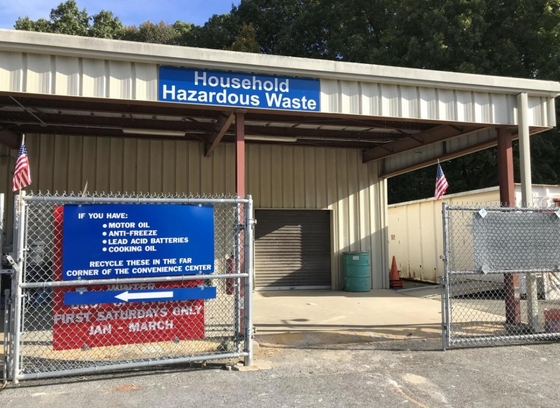
The best and safest option for most households is a Household Hazardous Waste facility.
What Is an HHW Facility
Household Hazardous Waste centers accept flammable, toxic, or reactive materials. They are operated by cities, counties, or waste districts and are often free for residents.
How to Prepare for Drop-Off
- Keep oil in original container if possible.
- If transferring, use a UL-listed, leak-proof, flammable-liquid container.
- Label clearly: “Used Kerosene – Flammable – Do Not Use.”
- Do not top off or mix with other fuels.
Call ahead to confirm acceptance, hours, and quantity limits. Many facilities restrict to 5 gallons per visit.
Small Quantities: Alternative Drop-Off Locations
No HHW facility nearby? Some businesses accept small amounts.
Where to Try
• Auto repair shops: Often handle fuel waste and may accept kerosene.
• Gas stations: Some accept kerosene if they service equipment.
• Marinas: Boats use similar fuels and may accept clean kerosene.
Always call first and ask these questions:
• Do you accept kerosene?
• Is there a fee?
• What container do you require?
Large Volumes: Hire a Licensed Waste Hauler
For 5 or more gallons, household disposal rules do not apply.
When You Need a Professional
• Bulk storage situations
• Commercial use (restaurants with tiki torches, theaters with flame props)
• Any situation involving significant quantities
Steps to Take
- Contact your local waste management office.
- Hire a licensed hazardous waste disposal company.
- Keep disposal records including manifests and receipts.
Under the Resource Conservation and Recovery Act, you are responsible from cradle to grave for proper disposal.
Last Resort: Evaporate Tiny Amounts Outdoors
Only evaporate lamp oil outdoors if you have less than one cup (8 ounces) and no other disposal option exists.
Safe Evaporation Steps
- Use a shallow metal pan (non-flammable).
- Place outdoors in a remote, well-ventilated area away from buildings, children, pets, and ignition sources.
- Never evaporate in a garage, basement, or near HVAC intakes.
- Cover with wire mesh to keep animals out.
- Let evaporate naturally over several days.
- After evaporation, triple-wrap the container in plastic and dispose in regular trash.
Never speed up evaporation with heat, fans, or flames. Fire risk is extreme.
Reuse or Donate If Oil Is Still Good
Fresh, uncontaminated oil can be repurposed rather than discarded.
Safe Reuse Ideas
• Refill oil lamps or portable heaters
• Clean grease, tar, or adhesives from tools
• Donate to off-grid communities, theater groups, fire performers, or camping organizations
Label clearly and warn recipients about flammability. You can also list usable oil on Freecycle, Craigslist, or neighborhood apps.
Clean Oil Lamps Before Disposal
Do not throw away a lamp without removing residual oil.
Step-by-Step Cleaning
- Extract remaining oil using a hand siphon, turkey baster, or pipette.
- Transfer to a labeled container for HHW disposal.
- Dry thoroughly in a ventilated area.
- Wipe with absorbent cloth.
- Disassemble and sort: Glass, metal, and ceramic parts may be recyclable. Plastic parts usually go in trash.
Never crush lamp components until confirmed dry and empty. Residual oil can ignite during landfill compaction.
Special Cases: Non-Kerosene Oils
Disposal requirements vary by oil type.
Citronella Oil
Less hazardous than kerosene. Some HHW programs allow sealed small amounts in regular trash. Check local rules.
Ethanol or Bio-Based Oils
Lower flammability. May be accepted at HHW facilities or composted if 100% plant-based and non-toxic.
Vegetable Oils (Olive, Canola)
Non-hazardous. Solidify by cooling, then place in sealed container in trash. Small amounts may be composted. Never pour down the drain because it causes clogs.
When in doubt, treat all lamp oil as hazardous until confirmed otherwise.
Store Properly to Prevent Future Waste
Smart storage reduces the need for disposal.
Best Practices
• Buy only what you need
• Use UL-listed, airtight, opaque containers
• Store in cool, dry, dark place (50-70°F)
• Keep away from ignition sources like furnaces and water heaters
• Label with purchase date
Properly stored kerosene lasts 2-5 years, but performance declines over time. Fuel stabilizers do not work for kerosene.
Find Local Disposal Sites Easily
You do not have to guess where to go for proper disposal.
How to Locate HHW Facilities
- Visit Earth911.org and search “HHW” with your ZIP code.
- Use 1-800-CLEANUP (U.S. hotline).
- Search your city or county government website.
- Call public works, waste management, or your local fire department.
- Check with hardware stores that host HHW collection events.
Many sites require appointments or operate seasonally, so call ahead.
Handle Safely: Gear, Transport, and Labeling

Safety starts before you leave home.
Personal Protection
• Nitrile gloves
• Safety goggles
• Long sleeves
• Work outdoors or in ventilated area
Transport Tips
• Use secondary containment (spill tray or bin)
• Secure container upright in truck bed or trailer
• Never transport in passenger cabin
• Avoid extreme heat or cold during transport
Label Every Container
Mark each container with “Kerosene – Flammable – Do Not Use,” the date, and contents. This prevents accidental misuse, such as someone confusing it with rubbing alcohol or cooking oil.
Frequently Asked Questions About Disposing of Lamp Oil
Can I pour small amounts of lamp oil down the drain?
No. Never pour lamp oil down drains, toilets, or storm sewers. Even small amounts contaminate water supplies, damage pipes, and harm the environment. One gallon can pollute up to 750,000 gallons of water.
What if I only have a cup or less of lamp oil?
For less than 8 ounces with no disposal option available, place the oil in a shallow metal pan outdoors in a well-ventilated area away from buildings and ignition sources. Let it evaporate naturally over several days, then triple-wrap the container and dispose in regular trash.
Can I throw away an empty lamp oil container?
Empty containers may contain residue that poses fire risk. Rinse thoroughly and allow to dry completely. Check local recycling guidelines for the container material. Never crush containers until confirmed empty and dry.
Is vegetable-based lamp oil safe for regular trash?
Vegetable oils like olive or canola are non-hazardous. You can solidify them by cooling, then place in a sealed container in regular trash. Small amounts may be composted. Never pour vegetable oil down drains because it causes clogs.
Where can I dispose of lamp oil for free?
Most municipal Household Hazardous Waste facilities offer free disposal for residents. Call your local waste management office or visit Earth911.org to find the nearest location. Many facilities require appointments.
How do I know if my lamp oil is still good?
Good lamp oil is clear with no cloudiness or sediment. It should not smell sour or rancid. If the oil has degraded, the flame will smoke or sputter. When in doubt, dispose of it through HHW facilities rather than risk indoor use.
Key Takeaways for Safe Lamp Oil Disposal
Lamp oil is flammable, toxic, and environmentally harmful. Treat it with respect and dispose of it properly.
Always identify your oil type first. Kerosene-based oils require HHW disposal, while vegetable oils have more flexible options. Never pour any lamp oil down drains, on soil, or in regular trash. These methods pollute water, harm wildlife, and create fire hazards.
For most situations, take lamp oil to a Household Hazardous Waste facility. Call ahead to confirm acceptance and requirements. For tiny amounts under 8 ounces with no other option, careful outdoor evaporation is a last resort.
Store unused oil properly to extend its life and reduce waste. Use UL-listed containers, keep oil in a cool dark place, and label everything clearly. When in doubt, contact your local environmental health department for guidance.
Your health, community, and planet depend on proper disposal. Take action today.