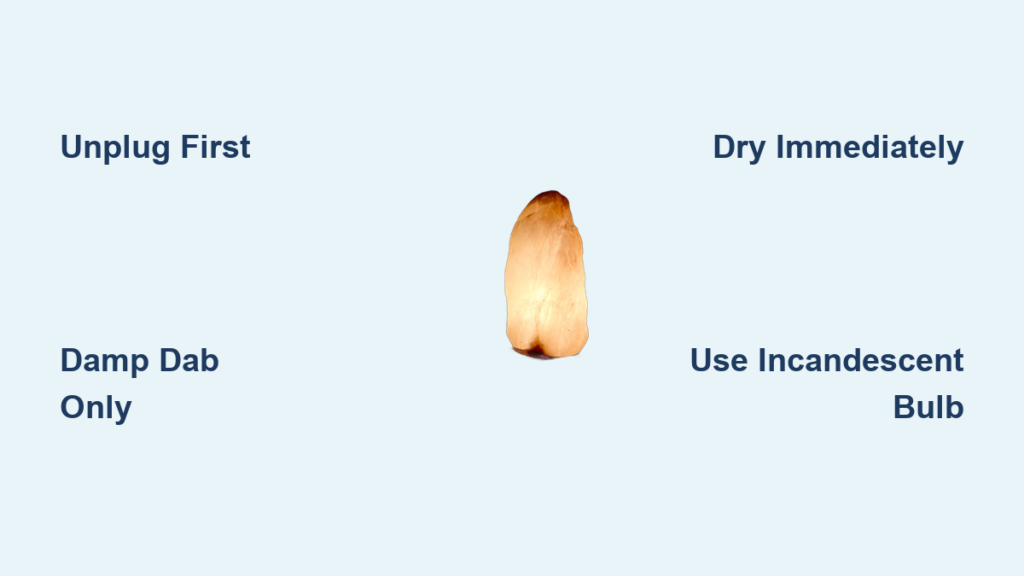
If your Himalayan salt lamp has started to look dull, dusty, or slightly damp, you are not alone. These natural salt crystals, while stunning and functional, require special care due to their hygroscopic nature, meaning they attract moisture from the air. Improper cleaning can damage the lamp or even ruin its air-purifying ability. The good news is that cleaning a salt lamp does not require harsh chemicals or complicated tools. With just a soft cloth and a few simple steps, you can safely restore its glow without risking dissolution, electrical hazards, or surface erosion.
This guide reveals the only safe way to clean your salt lamp, how to prevent moisture buildup known as sweating, and what never to do during maintenance. Whether your lamp is weeping water, covered in dust, or just needs a quick refresh, you will learn how to keep it looking pristine and working effectively for years.
Turn Off and Unplug the Lamp Before Cleaning
Before any cleaning begins, safety comes first. Salt lamps contain electrical components and hot bulbs. Always start with turning off the lamp at the switch or dimmer, unplugging it from the wall outlet, and waiting 5 to 10 minutes for the bulb to cool completely.
Why this matters: Cleaning a warm lamp risks thermal shock. Sudden temperature changes can cause the salt crystal to crack. It also prevents burns and protects against electrical hazards.
Once cool and disconnected, proceed to surface cleaning.
Use a Dry Microfiber Cloth First
For routine maintenance, especially if the lamp is not visibly dirty, dry dusting is enough. Use a soft, lint-free microfiber cloth or a clean cotton T-shirt and gently wipe or dab the surface to remove loose dust. A soft-bristled brush like a makeup or paintbrush works well for textured areas.
Pro tip: Dust weekly to minimize buildup and reduce the need for damp cleaning. Dry cleaning preserves the lamp’s integrity and avoids unnecessary moisture exposure.
Damp Clean Only When Necessary
Only use moisture when dealing with fingerprints, smudges, or sticky residue. Never soak or rinse the lamp because salt dissolves in water.
Prepare a Slightly Damp Cloth
Soak a microfiber or cotton cloth in warm or steaming hot water. Wring it out thoroughly until it is damp but not dripping. Excess moisture will dissolve the salt surface and cause pitting.
Never use: soap, detergents, sprays, or disinfectants. Salt is naturally antimicrobial, so chemicals leave residues that attract more moisture.
Dab, Do Not Wipe the Surface
Lightly dab the damp cloth onto soiled areas. Avoid scrubbing, wiping, or applying pressure. Focus on spots rather than saturating the entire lamp.
What to watch for: If the salt starts to feel soft or look cloudy, you are using too much water.
For stubborn marks, repeat with a fresh, less-wet section of cloth. Never soak the lamp.
Dry Immediately With a Clean Cloth
After damp cleaning, pat the surface dry with a second, dry microfiber cloth. Use dabbing motions, not rubbing, to avoid lint or surface damage. Let the lamp sit unplugged for 1 to 2 minutes to air-dry slightly.
Then, turn it back on.
Reactivate With Heat
Plug in and switch on the lamp. Leave it on for several hours, ideally overnight. The incandescent bulb’s heat will evaporate any hidden moisture deep in the crystal.
Why heat matters: A warm lamp prevents sweating and restores ionization function.
Prevent and Fix Moisture Build-Up Sweating

Salt lamps naturally attract moisture from humid air. When turned off, they cannot evaporate it, leading to beading, dripping, or a wet base. This is common in bathrooms, basements, or during rainy seasons.
Signs Your Lamp Is Sweating
Watch for water droplets on the surface, dampness under the lamp, white crust which is salt residue on the base, or the lamp feeling cool and wet.
Stop Sweating With These Steps
- Unplug immediately to avoid electrical risk.
- Dab the surface dry with a lint-free cloth. Do not wipe.
- Remove the bulb and socket from the bottom.
- Place the salt block in a warm, dry, ventilated area. Best options are near a dehumidifier or in direct sunlight for 6 to 12 hours.
- Brush off white crystals with a dry cloth after drying.
- Reassemble and turn on only when bone-dry.
Pro tip: Place 3 to 4 tealight candles around the base when in use. Their gentle heat helps evaporate moisture and enhances ambiance.
Prevent Future Sweating
Keep the lamp on 16 to 24 hours daily. Heat is your best defense. Use a dimmer switch to lower brightness at night without turning it off. Place on a ceramic tray, wooden coaster, or silicone mat to protect furniture. Avoid high-humidity zones like bathrooms, kitchens, basements, or near windows. Never place near humidifiers, fish tanks, or open doors.
Did you know: A 15W bulb left on 24/7 costs only $10 to $15 per year in electricity, worth the investment in lamp longevity.
Handle a Soaked or Fully Saturated Lamp
If your lamp was exposed to rain, spills, or extreme humidity, act fast.
Recovery Steps
- Unplug and disassemble. Remove bulb, socket, and cord.
- Separate components. Place salt block and electrical parts in a dry area.
- Dry thoroughly. Salt block needs 6 to 24 hours in sunlight or near a fan. Electrical parts need assurance that no moisture remains in the socket.
- Inspect for damage. Check cord for fraying. Look for corrosion in the socket. Replace if in doubt.
- Reassemble and test only when completely dry.
Note: A soaked lamp may lose some shape but can usually be restored if dried properly.
Replace the Bulb the Right Way
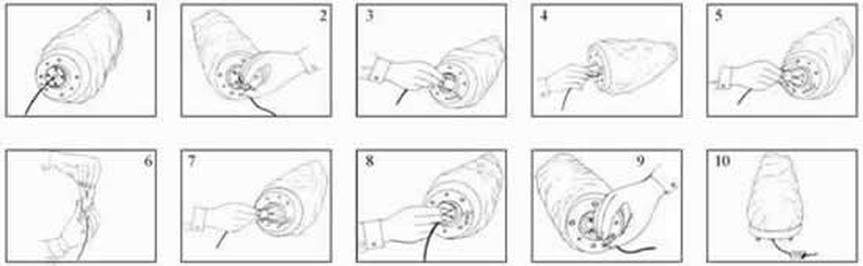
A functioning bulb keeps the lamp warm and effective. Incandescent bulbs last about 1,000 hours, roughly 41 days if on 24/7.
Signs It Is Time to Replace
The lamp will not turn on, light flickers or dims, there is white film inside the bulb indicating cracked glass, or there is a rattling sound when shaken indicating a broken filament.
Safe Bulb Replacement Steps
- Unplug and wait 2 minutes for cooling.
- Remove socket by gently squeezing the metal arms.
- Unscrew old bulb using tissue paper or gloves. Skin oils create hot spots and shorten bulb life.
- Screw in a new bulb. Use 15W for lamps under 7 kg and 25W for 7 to 25 kg lamps.
- Reinsert socket and ensure it clicks.
- Plug in and test.
Pro tip: Keep spare bulbs on hand. A 6-pack of 15W incandescent bulbs ensures you are never left in the dark.
Never Use LED Bulbs in Salt Lamps
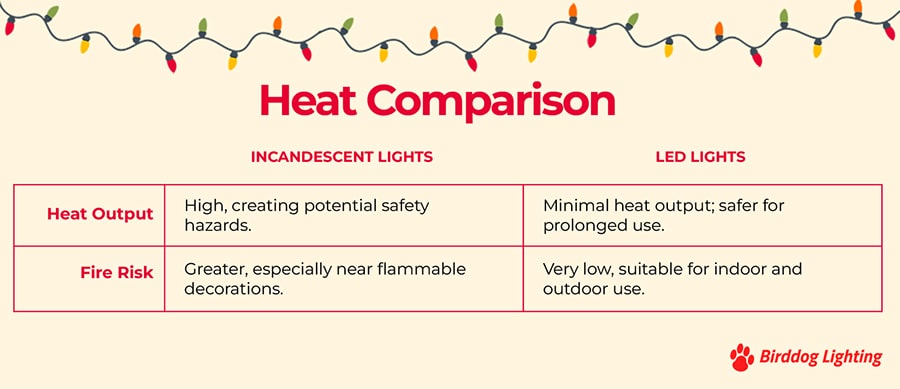
While energy-efficient, LED bulbs are unsuitable for salt lamps. They produce minimal heat, not enough to evaporate moisture. Without heat, the lamp cannot release negative ions or purify air. Cold lamps attract more moisture, leading to sweating and degradation.
Only incandescent bulbs generate the 40 to 60 degrees Celsius needed for full functionality. Use UL-listed or CE-certified cords with the correct base, E12 for North America or E14 for UK, Australia, and EU.
Store Properly for Long-Term Use
If storing the lamp for more than one week, follow these steps. First, unplug and clean with a dry or slightly damp cloth. Second, remove the bulb and cord. Third, wrap the salt block in airtight plastic such as ziplock bags, cling wrap, or multiple layers of shopping bags. Fourth, store in a cool, dry place, not in basements or bathrooms. Fifth, check monthly for condensation and re-dry if needed.
Good news: Properly sealed lamps can last indefinitely in storage.
Avoid These Common Mistakes
Even with good intentions, these errors can ruin your salt lamp.
Do not submerge in water: Salt dissolves in liquid. Never wash under a tap or soak.
Do not use soap or cleaners: Chemicals leave residues that attract moisture and dull the surface.
Do not scrub or wipe hard: Aggressive cleaning erodes texture and creates smooth patches.
Do not use LED bulbs: No heat means no ionization and no air purification.
Do not leave it off for days: Cold lamps absorb moisture rapidly, especially in humid climates.
Do not place on wood or fabric without protection: Moisture can stain or warp surfaces. Always use a tray or mat.
Care for Other Salt Products Too
The same principles apply to salt bowls or plates. Clean with a damp cloth and never put them in the dishwasher. For salt hearts or deodorants, wipe dry after use and do not use soap. For salt tiles or wall panels, dust gently and avoid moisture. Salt is naturally antimicrobial, so no chemical cleaning is required.
Key Takeaways for Cleaning Your Salt Lamp
With proper care, a Himalayan salt lamp can last decades. Follow these best practices to maintain its beauty and functionality.
Do: Use 15W or 25W incandescent bulbs, keep the lamp on 16+ hours daily, clean with a damp-dab then dry-immediately method, place on a protective tray, store in airtight plastic when unused, handle bulbs with tissue or gloves, and use surge protectors for electrical safety.
Do not: Use LEDs, soaps, or chemicals, submerge or rinse the lamp, place in bathrooms or kitchens, scrub or wipe aggressively, use higher-wattage bulbs, or store in unsealed containers.
Remember: Your salt lamp is a natural product. Gentle care preserves its beauty, color, and air-purifying benefits. By following these proven steps, you will keep your salt lamp glowing safely, functioning effectively, and looking stunning for years to come.
Frequently Asked Questions About Cleaning a Salt Lamp
Can I clean my salt lamp with water?
You should only use water sparingly. Dampen a cloth with warm water, wring it out thoroughly, and dab the surface gently. Never submerge the lamp or use excessive moisture because salt dissolves in water.
How often should I clean my salt lamp?
Dry dust weekly with a microfiber cloth. Damp clean only when necessary, typically every 1 to 3 months or when you notice fingerprints, smudges, or residue.
Why is my salt lamp sweating or leaking water?
Salt lamps are hygroscopic and attract moisture from the air. When turned off, they cannot evaporate this moisture, causing sweating. Keep the lamp on for 16 to 24 hours daily to prevent this issue.
What happens if I soak my salt lamp in water?
The salt will dissolve and degrade. If your lamp gets soaked, unplug it immediately, remove the electrical components, and dry the salt block in sunlight or near a dehumidifier for 6 to 24 hours.
Can I use LED bulbs in my salt lamp?
No. LED bulbs do not produce enough heat to activate the ionization process. Only use incandescent bulbs of 15W or 25W depending on lamp size.
How do I store my salt lamp long-term?
Remove the bulb and cord, clean the lamp, wrap the salt block in airtight plastic, and store in a cool, dry place. Check monthly for condensation.