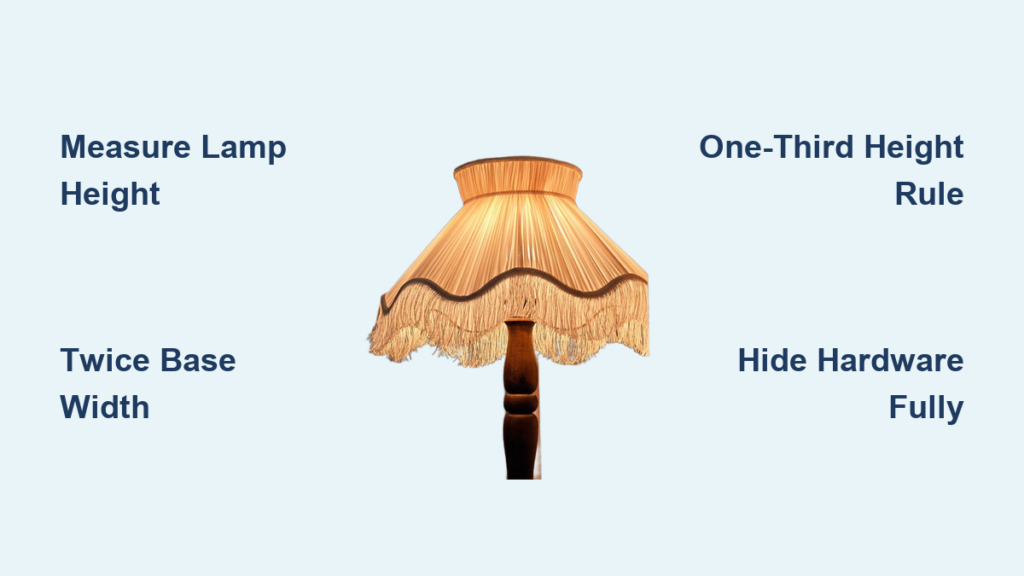
Choosing the right lamp shade size isn’t just about style. It determines whether your lamp looks balanced, casts comfortable light, or becomes an awkward distraction in your room. A poorly sized shade can make a beautiful lamp look top-heavy, create harsh glare, or fail to illuminate your space properly. Whether you’re updating a bedside table lamp or styling a living room floor lamp, getting the proportions right transforms your lighting from an afterthought into a deliberate design statement.
This guide walks you through every step: measuring your lamp accurately, applying proven proportion rules, selecting the correct fitter type, and testing for both visual balance and functional performance. By the end, you’ll know exactly how to choose a lamp shade size that looks polished, performs well, and fits seamlessly into your space.
Measure Your Lamp First
Before shopping for a shade, gather accurate measurements. A well-fitted shade starts with precise numbers, not guesswork.
Determine Total Lamp Height
Measure from the bottom of the base to the top of the socket, excluding the bulb or finial. This vertical dimension guides your ideal shade height.
• Use a tape measure or ruler
• Ensure the lamp sits upright on a flat surface
• Record the measurement in inches or centimeters
Pro Tip: If the lamp is already assembled, remove the shade and finial first for accuracy.
Find Base Width Accurately
The base width determines how wide your shade should be to maintain visual balance.
• Round base: Measure the diameter straight across the center
• Square or rectangular base: Measure diagonally from corner to corner
• Irregular base: Use the widest point as your guide
Why diagonal? It accounts for the visual footprint, preventing a shade that appears too small.
Apply Proportion Rules for Perfect Balance

Follow tried-and-true design rules to achieve visual harmony between your lamp and shade.
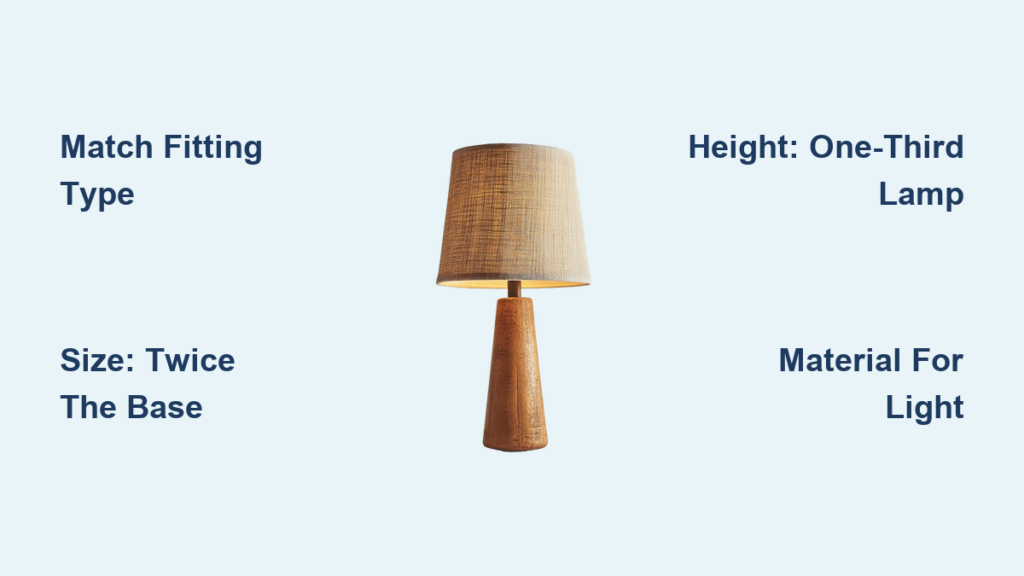
Shade Height Equals One-Third of Total Lamp Height
This rule ensures the shade doesn’t dominate or disappear on the lamp.
• 24-inch lamp → 8-inch shade height
• 30-inch lamp → 10-inch shade height
• 60-inch floor lamp → 15-inch shade height
Exception: Floor lamps often use one-quarter of total height due to their greater scale.
Design Hack: If your lamp has a tall base and short socket, also consider two-thirds of the base height as a secondary check.
Shade Width Equals Twice the Base Width
This horizontal balance rule prevents a top-heavy or undersized look.
• 10-inch base → 20-inch shade diameter
• 6-inch base → 12-inch shade diameter
Bonus Tip: For extra polish, also match the shade width to the lamp base height. This dual-check ensures both vertical and horizontal harmony.
Ensure Proper Overhang on Each Side
The shade should extend beyond the base on all sides by at least one-half inch.
• Prevents a pinched appearance
• Adds visual stability
• Ensures even light distribution around the lamp
Red Flag: If the shade sits inside the base outline, it’s too small.
Select the Correct Fitter Type
:max_bytes(150000):strip_icc()/types-of-lampshade-fittings-6742943-final-2-53530431336341488a799406cb5c33a5.png)
The fitter connects the shade to the lamp. Choosing the wrong one means it won’t fit or could be unsafe.
Spider Fitter: The Most Common Choice
Used on traditional table and floor lamps with a harp.
• Requires a harp and finial
• The shade’s inner top ring must fit over the spider arms
• Ideal for empire, drum, and cone shades
Check: Measure the inner diameter of the shade’s top ring to match the spider frame.
Uno Fitter: Sleek, Modern Fit
Slides directly over the socket without needing a harp.
• Creates a clean, minimalist look
• Common in contemporary or adjustable lamps
• Must match socket size (check manufacturer specs)
Warning: Don’t force a uno shade onto a non-uno socket. It can damage wiring.
Clip-On Fitter: Temporary Solution
Attaches directly to the light bulb.
• Best for small accent lamps or sconces
• Works with lightweight shades only
• Avoid with LED bulbs that have bulky heat sinks
Use Case: Temporary or decorative lighting, not primary fixtures.
Duplex and Fixed Fitters: Specialty Options
• Duplex: Uses a carrier that locks under the socket cap, common in vintage lamps
• Fixed: Screws into E14 or E27 bulb holders, often used in pendants or plug-in fixtures
Expert Move: When in doubt, remove the old shade and bring it to the store for comparison.
Test for Visual and Functional Fit
Even with perfect measurements, test how the shade looks and works in real life.
Hide All Hardware Completely
A properly sized shade should conceal the harp, socket, saddle, wiring, and bulb (unless intentionally exposed).
Red Flag: If you see the socket or harp, the shade is too short or narrow.
Position the Shade One Inch Above the Base
The bottom edge should hover just above the lamp body.
• Creates clean separation between shade and base
• Avoids a squashed appearance
• Preserves the lamp’s design lines
Adjustment Tip: Use a taller or shorter finial to fine-tune the fit.
Follow the Eye-Level Rule
For lamps used while seated (bedside, living room), the bottom of the shade should be at or below eye level when sitting.
• Prevents direct bulb glare
• Ensures comfortable ambient lighting
Example: If seated eye level is 42 inches, total lamp plus shade height should not exceed 42 inches.
Choose the Best Shape for Your Lamp

Shape affects both style and light direction. Match or contrast the base for intentional design.
Empire Shade: Classic and Flattering
• Tapers inward from bottom to top
• Works with most base types
• Directs light up and down
Pro Tip: Ideal for round, curved, or urn-shaped bases.
Drum Shade: Modern and Balanced
• Straight, cylindrical sides
• Maximizes light output
• Fits well on low, wide tables
Best For: Contemporary spaces and square bases.
Cone (Coolie) Shade: Dramatic and Tall
• Narrow top, wide bottom
• Adds height to slender lamps
• Creates a bold silhouette
Pair With: Candlestick or column-style bases.
Square or Rectangular: Geometric Statement
• Sharp lines and clean edges
• Complements modern or minimalist decor
• Align with room architecture
Caution: Can look stiff with traditional bases.
Oval Shade: Fits Narrow Spaces
• Elongated shape
• Ideal for console tables or tight corners
• Stretches the visual length of a surface
Design Move: Use to echo the shape of a mirror or artwork above.
Match Material to Light Quality
The shade’s material changes how light fills the room, affecting ambiance significantly.
Opaque Shades for Focused Lighting
• Block side light
• Reflect up and down
• Great for task lamps or highlighting art
Best Materials: Fabric-covered hardback, metal, or foil-lined.
Pleated Fabric for Soft, Textured Glow
• Provides even light diffusion
• Adds tactile interest to the room
• Seam should face the wall
Upgrade Tip: Hand-gathered pleats last longer and look more refined.
Woven Materials for Warm, Dappled Light
• Includes rattan, wicker, and bamboo
• Casts organic, natural-looking shadows
• Perfect for boho, coastal, or rustic styles
Pair With: Warm white (2700K to 3000K) dimmable bulbs.
Parchment and Rice Paper for Gentle Glow
• Soft, cloud-like illumination
• Affordable and lightweight
• Avoid high-wattage bulbs (can yellow or burn)
Alternative: Synthetic parchment for better durability.
Perforated Shades for Decorative Patterns
• Projects cut-out designs onto walls
• Best with low-wattage bulbs
• Makes a statement in entryways or living rooms
Pro Tip: Rotate the shade to position patterns where they’ll be seen.
Pick the Right Bulb
The bulb and shade work together. Wrong pairing causes glare or poor lighting.
Avoid Clear Bulbs in Sheer Shades
Clear bulbs cast visible filament shadows and create harsh glare.
Better Choice: Opaque or frosted LED bulbs.
Use Warm White (2700K to 3000K)
• Flattering to skin tones
• Complements wood, fabric, and warm decor
• Standard for living spaces
Choose Dimmable LEDs
• Adjust brightness for mood
• Essential for patterned or pierced shades
• Reduces heat buildup
Pro Tip: Pair dimmable bulbs with smart switches for full control.
Fit the Shade to Your Space
Even a perfectly proportioned shade can fail if it doesn’t suit the room.
Don’t Exceed Table Width
• Shade should stay within table edges
• Prevents accidental bumps
• Keeps the surface functional
Rule of Thumb: Total lamp height should not exceed 1.5 times table height.
Allow Clearance in High-Traffic Areas
• Maintain 12 to 18 inches from walls, beds, or furniture
• Narrow shades work better in tight spaces
Optimize for Specific Functions
| Use Case | Best Shade Traits |
|---|---|
| Bedside Lamp | 8 to 10 inches wide, 5 to 6 inches tall, empire or drum shape |
| Reading Lamp | Darker lining, directs light downward |
| Desk Lamp | Compact (8 inches or less), focused beam |
| Floor Lamp | 12 to 18 inches wide, one-quarter of total height |
Pro Move: Use taller shades to draw the eye upward in low-ceiling rooms.
Final Installation Checklist
Before declaring the job done, run through this verification list.
Confirm Key Fit Points
• Shade height within 1 to 2 inches of one-third total lamp height
• Shade width approximately twice the base width and equal to base height
• All hardware fully hidden
• Bottom edge approximately 1 inch above base
• Below seated eye level for seating areas
• Shade sits level, adjust with finial if needed
Test Light and Stability
• Turn on the lamp during daylight to assess glare
• Gently nudge the shade to check for wobbling
• Ensure the finial is tight but not over-tightened
Hack: Make a paper template to test size before buying.
Resolve Conflicting Guidelines
Different sources give slightly different rules. Here’s how to reconcile them.
Shade Height Rules Explained
• One-third of total height: Includes socket and harp, best for eye-level safety
• Two-thirds of base height: Focuses on visual proportion, good for balance
Solution: Use both. They often result in similar sizes.
Shade Width Rules Explained
• Twice the base width: Ensures horizontal balance
• Equals base height: Ensures vertical harmony
Best Practice: Apply both rules. If they conflict, prioritize twice the width and adjust height for eye level.
Professional Tips for Confidence
Even experts tweak and test. Here’s how to think like a designer.
Go Larger When in Doubt
• Bigger shades distribute more light
• Create a sense of space
• Are more forgiving than undersized ones
Expert Quote: “A shade that’s too big is better than one that’s too small.”
Swap Shades Seasonally
• Light, airy fabrics in spring and summer
• Rich, dark tones in fall and winter
• Refreshes the room without buying new furniture
Customize with Embellishments
• Add trim, paint, or embroidery
• Turn a basic shade into art
Idea: Use fabric from old curtains or clothing for a personal touch.
Test Before Finalizing
• Place the shade on the lamp in its intended spot
• View from multiple angles
• Check light at night and during the day
Frequently Asked Questions About Choosing Lamp Shade Size
What happens if my lamp shade is too small?
A too-small shade leaves hardware exposed, creates a pinched appearance, and provides inadequate light coverage. The shade will look out of proportion with the lamp base and may cause glare since the bulb isn’t properly diffused.
How do I measure for a lamp shade on a floor lamp?
Measure from the floor to the top of the socket to get total lamp height. Divide by four to find ideal shade height. For width, apply the same two-times-base-width rule, and ensure 12 to 18 inches of clearance from walls and furniture.
Can I use any shade on any lamp?
No. The fitter type must match. Spider fitters require a harp, uno fitters slide over the socket, and clip-on fitters attach to the bulb. Always check compatibility before purchasing.
What is the best shade shape for a reading lamp?
Empire or drum shapes work best for reading lamps. Choose a shade with darker lining to direct light downward, and ensure the bottom of the shade sits below eye level when seated to prevent glare.
Does lamp shade material affect room temperature?
Yes. Darker or heavier materials absorb heat, while light-colored or woven materials allow air circulation. In warm climates, opt for breathable materials like linen or rattan.
How often should I replace my lamp shade?
Replace shades when they show wear, discoloration, or damage. Consider seasonal swaps to refresh your room’s look. Quality shades can last five to ten years with proper care.
Key Takeaways for Choosing Lamp Shade Size
Choosing the right lamp shade size blends science and style. Start by measuring your lamp’s height (base to socket) and base width accurately. Apply the core proportion rules: shade height should equal one-third of total lamp height, and shade width should equal twice the base width. Select the correct fitter type for your lamp, test for hardware concealment, and ensure the shade sits about one inch above the base. Match the shade shape to your lamp base, choose material based on desired light quality, and pair with warm white, dimmable LEDs. Finally, test the complete assembly in its intended location before finalizing. With this systematic approach, you’ll create lighting that’s not just beautiful but balanced, bright, and perfectly proportioned for your space.